
Last updated November 25, 2026
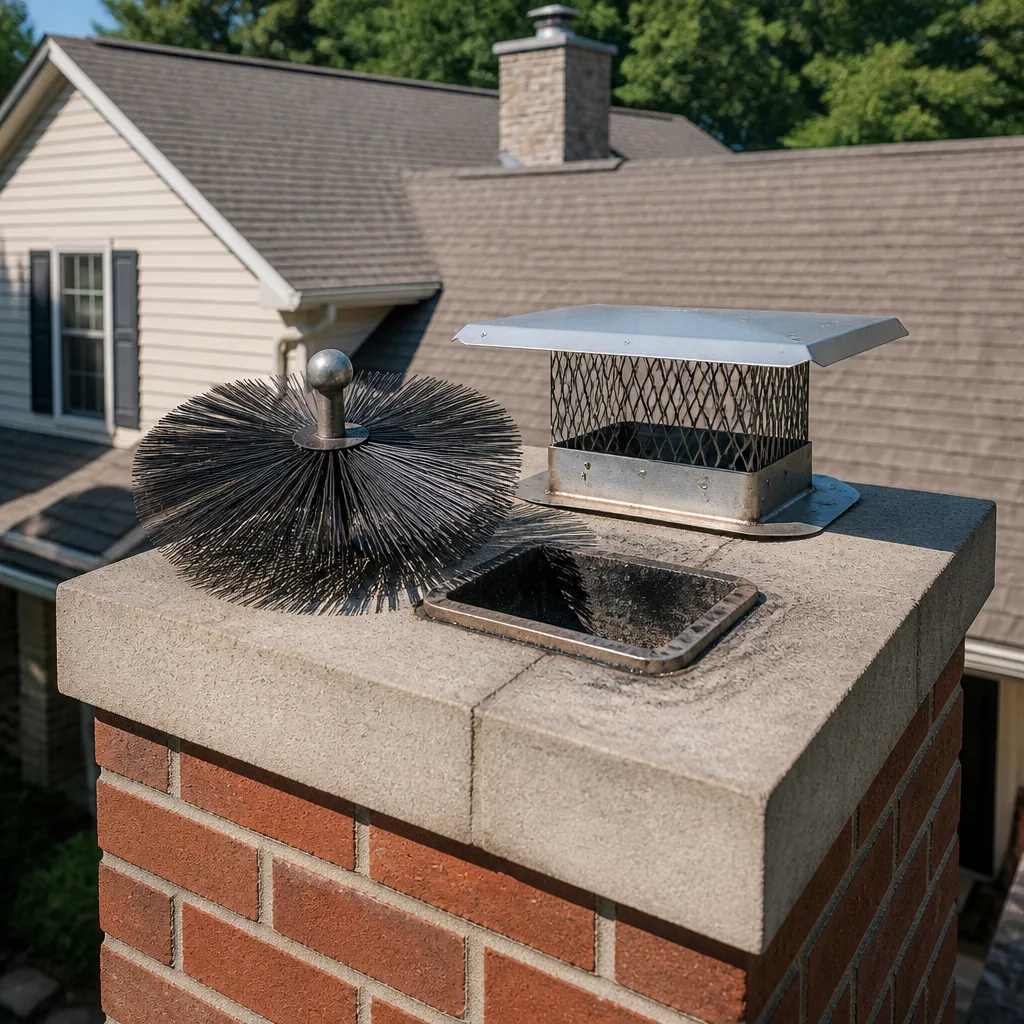 Sweep & inspection
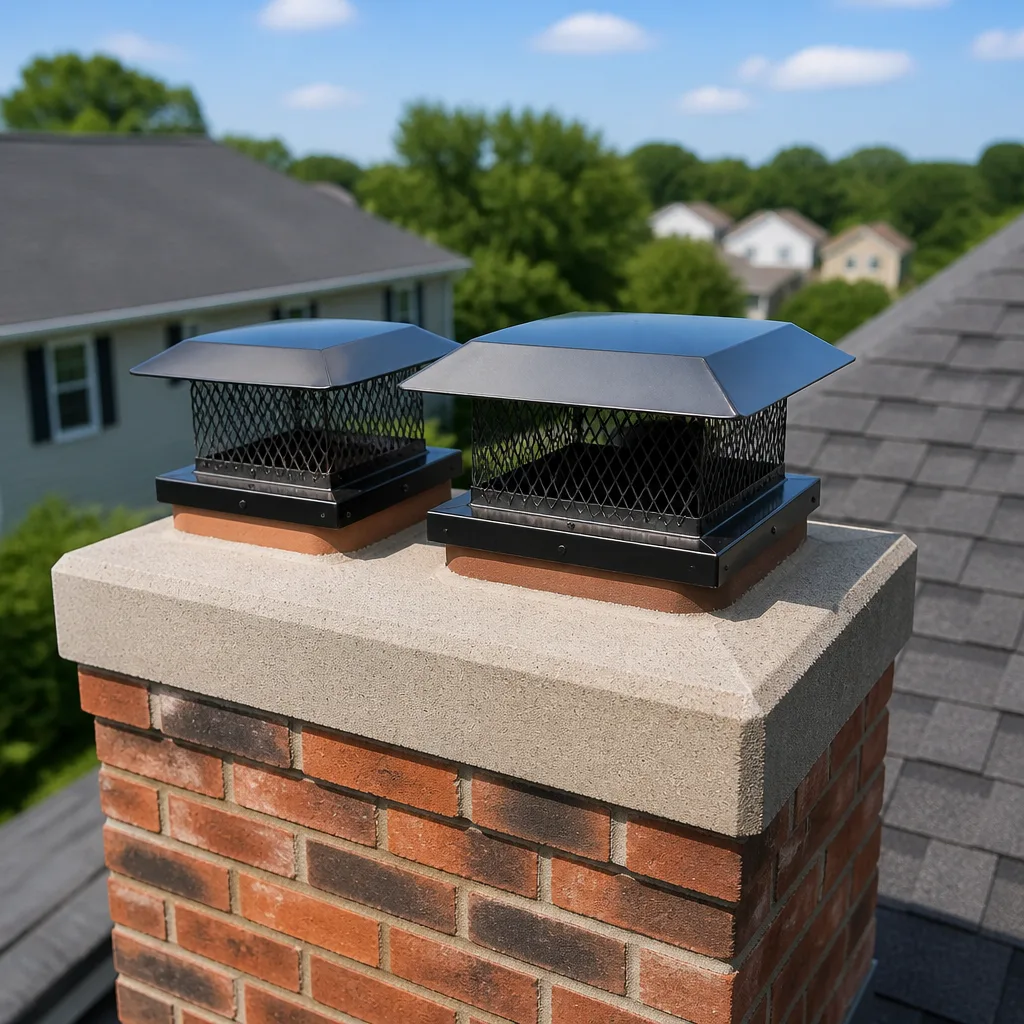 Caps & crowns
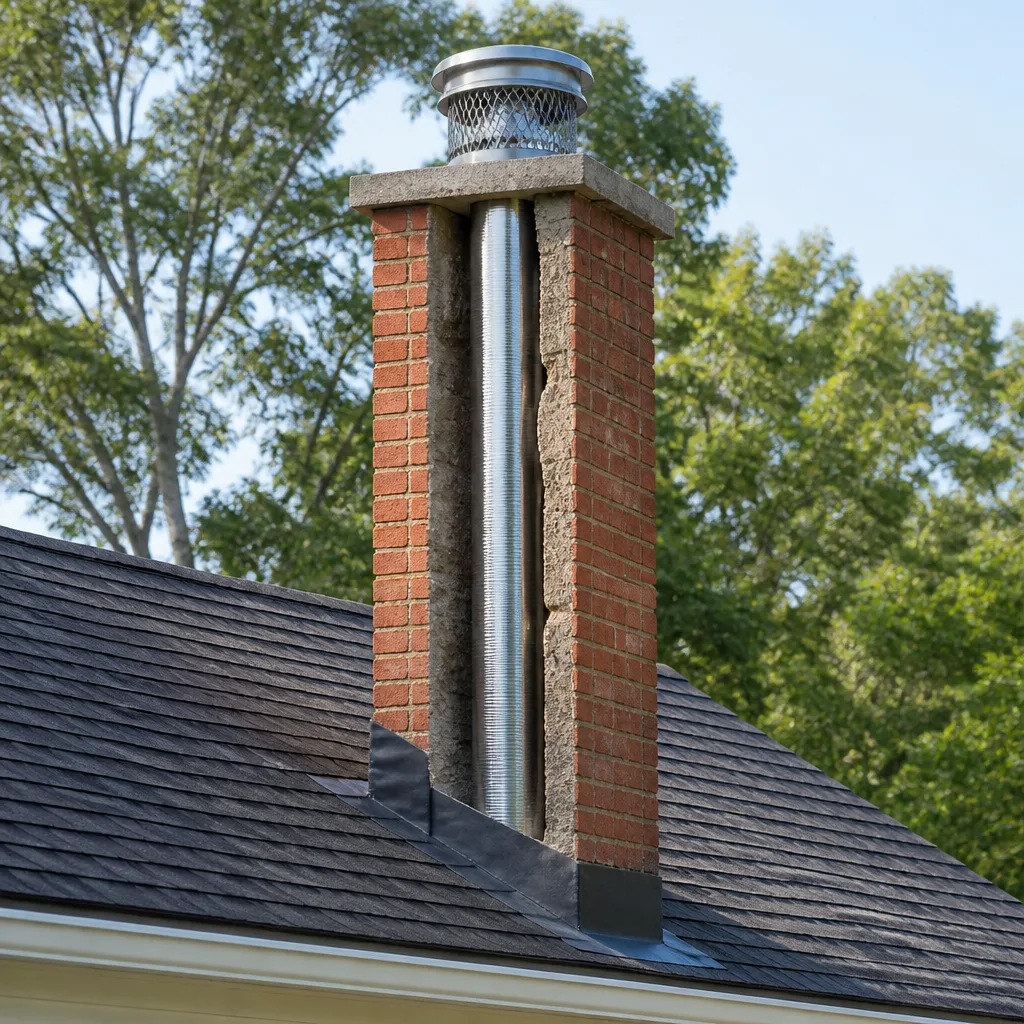 Flue relining
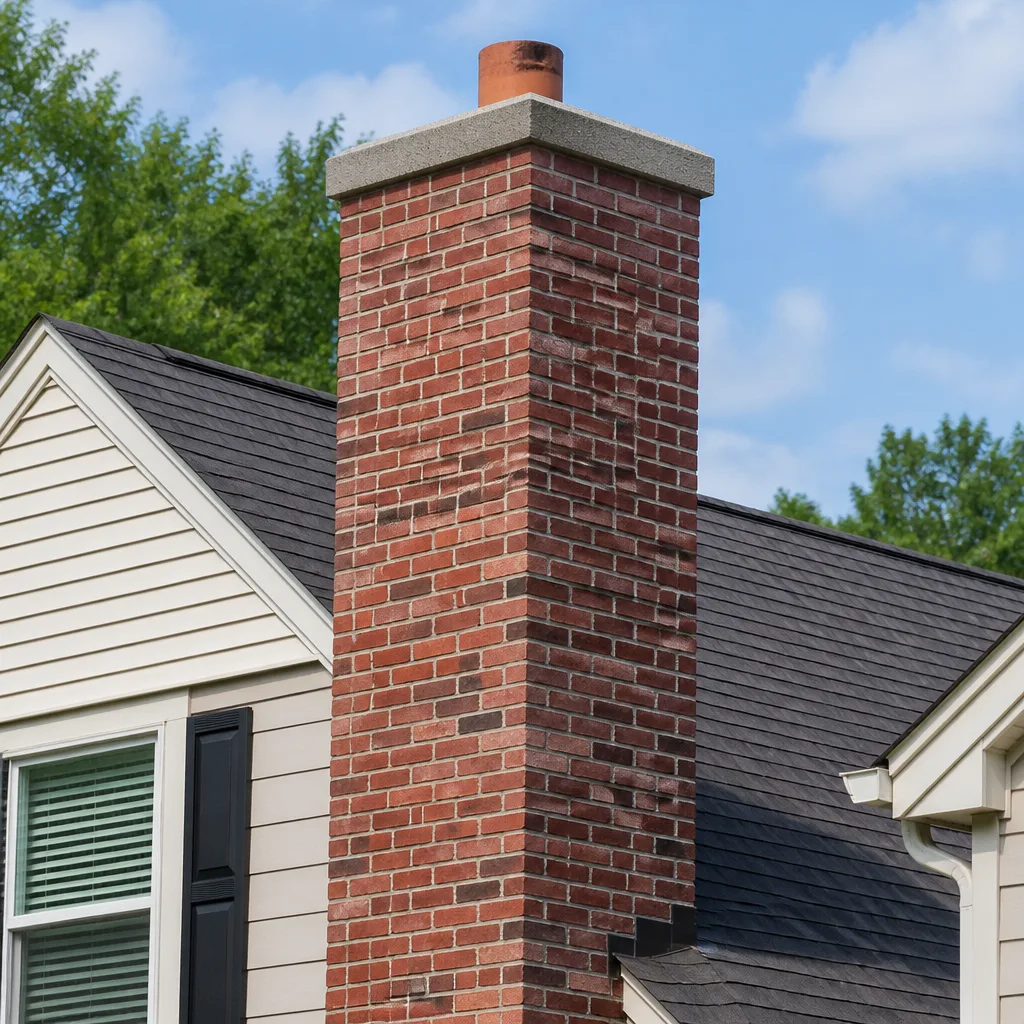 Masonry repair
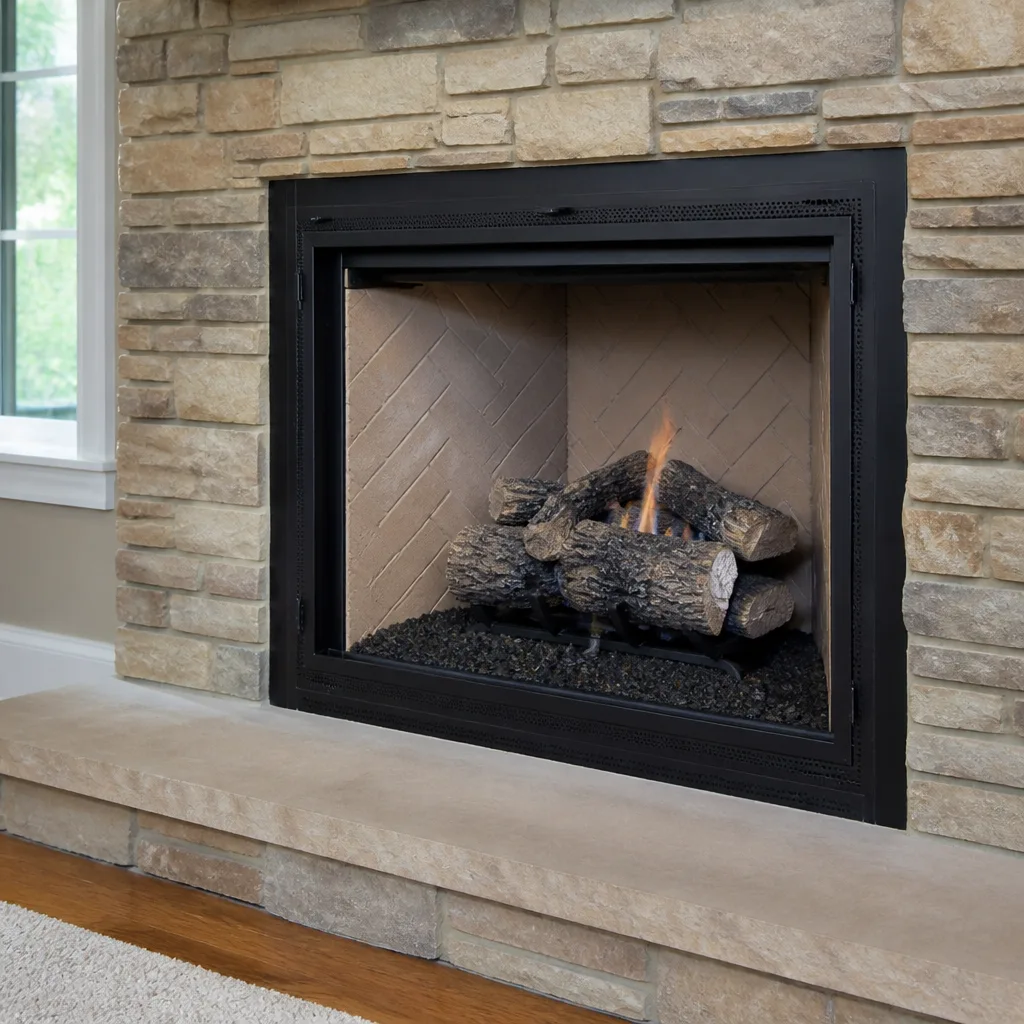 Gas fireplace service
Level 1 sweep and inspection to the NFPA 211 annual standard - flue, crown, cap, and flashing checked and photographed
Chimney sweep logs do not sweep chimneys. They loosen some creosote - which then falls where a brush and vacuum still have to collect it.
Chimney Cleaning Warning Signs: A San Clemente Homeowner’s Reference Guide
Most chimney warning signs get written about in language that scares homeowners without telling them anything they can act on. “Have your chimney inspected regularly” is not a sign. “Creosote buildup can be dangerous” tells you nothing you can look at. What actually helps is knowing what a given symptom looks like, what failure it points to, and whether it means stop burning tonight or write it down for the off-season. This guide gives you all three. We work on chimneys in San Clemente constantly, and the signs below are the ones we see most often in homes here.
Quick Answer
The five warning signs you can see from the ground are white staining, cracked or missing crown material, a loose or tilted cap, rust streaks, and crumbling mortar joints. Inside, the signs that matter most are a smell that changes when you burn, a slow-drawing fire, dark staining at the firebox opening, and soot flakes falling into the firebox. A white crust or rust streak means water is moving through the structure, and that one gets a call. Discolored creosote or a smoky smell in a cold fireplace is a schedule-this-month item. Most other findings are document-and-watch.
Styles & brands we work with
- Sweep & inspection
- Caps & crowns
- Flue relining
- Masonry repair
- Gas fireplace service
Table of Contents
- Five Exterior Warning Signs You Can See From the Ground
- What White Staining Actually Means for San Clemente Masonry
- Interior Warning Signs in a Low-Use Fireplace
- Why Your Fireplace Draws Slowly (And How to Tell Why)
- The Sign Homeowners Dismiss as Cosmetic
- The Severity Tier System: Three Categories
- How a Professional Assessment Works
- When to Call a Professional
Five Exterior Warning Signs You Can See From the Ground
You don’t need a ladder to catch most structural problems. Stand on the ground, look up, and use binoculars if you have them. These five signs are visible from the yard and specific enough to photograph. If your chimney sits on an interior wall, take the camera up to the roof line during a dry stretch, but never walk a roof to get a better look.
- White crust or powder on the masonry. A chalky white stain running down the brick or block face. This is efflorescence, and it means water is moving through the masonry and evaporating on the surface, leaving mineral deposits behind. The pattern matters: a thin wash that appears after heavy rain and dries is different from a thick crust that never goes away.
- Cracks in the crown. The crown is the sloped concrete cap on top of the chimney that sends water away from the flue. Look for hairline cracks, chunks missing from the edge, or a crown that has separated from the chimney top. A cracked crown lets water into the masonry on every storm.
- A cap that is loose, tilted, or missing mesh. The chimney cap sits on top of the flue and keeps rain and animals out. If it’s tilted, rusted through, or the mesh is torn, you’ve lost your first line of defense. A cap that has shifted is also a sign the top of the chimney may have moved.
- Rust streaks on the exterior. Orange-brown staining on the face of the masonry, usually below the cap or the firebox opening. Metal components on the chimney, including the damper assembly and cap hardware, rust when they stay wet. Rust streaks outside usually mean water is sitting where it shouldn’t.
- Crumbling or recessed mortar joints. The mortar between bricks should be flush or slightly raked and firm to the touch. If joints are recessed (the bricks look like they’re standing proud of the mortar), crumbling, or sandy, the masonry is losing its bond. Gray dust collecting at the base of the chimney is another clue.
Any one of these is worth documenting with a photo and a date. Two or more together means water has been getting in for a while. In San Clemente, the fire season comes after months of dry weather, so the cracks a homeowner notices in October were likely opened by the previous winter’s rain.
What White Staining Actually Means for San Clemente Masonry
A white stain running down your chimney exterior is not cosmetic. It’s efflorescence, and it means water is actively moving through your masonry. The mechanism is straightforward: water enters the brick or mortar, dissolves mineral salts as it travels, and evaporates on the face, leaving the salts behind as a white deposit. The stain is a record of the water’s path, not a surface blemish.
San Clemente sits in a mild, dry-summer climate, which changes how this plays out. Freeze-thaw damage that dominates chimney advice in colder parts of the country isn’t the driver here. What matters locally is the dry season. Masonry that gets soaked during winter rain and then bakes through a long dry summer shrinks and expands in a cycle. Cracks open, water gets in deeper next season, and the efflorescence spreads. It’s a slow process, but it’s cumulative, and it doesn’t reverse on its own.
Three questions separate a minor efflorescence finding from a real problem:
- Is it new? A thin white film that appears after winter rain and washes away is a nuisance. A mineral crust that has been building year after year is water traveling deep.
- Is the masonry below still sound? If the mortar joints under the stain are soft or recessed, water has reached the bedding. If the bricks spall (the face flakes off in sheets), the masonry is deteriorating.
- Is the crown intact? Most masonry water comes from the top. A cracked crown or a chimney that lacks one lets rain straight into the masonry, which is the most common source of the moisture behind efflorescence.
If you see white staining you can’t explain, the real test is a chamber look at the flue and a photo review of the crown. Our chimney repair team uses a camera for exactly this. You see the photos before anyone recommends a thing.
Interior Warning Signs in a Low-Use Fireplace
Homes that burn a handful of fires a season are the ones homeowners most often get wrong. A busy fireplace announces its problems. A low-use fireplace goes quiet and the signs are subtler. The three interior symptom families we check for are smell, draw, and debris.
Smell profiles: three different sources, three different smells
What you smell in a cold fireplace tells you what’s happening inside it. The three profiles below each point somewhere different.
- Creosote stage (the sharp, smoky-resin smell). A strong smoky smell coming off the firebox when the fireplace is cold usually means creosote buildup on the flue walls. Creosote goes through stages as it thickens and hardens. A flaky, dark and dry layer smells sharp. A shiny, tar-like layer is later-stage creosote, and that’s the one that ignites. If the smell is present in a clean fireplace with no fire in it, the flue is loaded.
- Animal presence (musky, ammonia, or the sound of scratching). An animal in the flue usually announces itself: scratching or rustling sounds from the chimney, a musky odor that starts near the damper, and sometimes bits of nesting material in the firebox. Ammonia is strongest when the animal has been there for a while. Soot and debris in the firebox when you haven’t burned is a tell.
- Water intrusion (damp, earthy, cellar-like). A wet, earthy smell coming out of the firebox, especially after rain, points to water inside the chimney. Often the first sign is a damp patch on the brick face near the firebox opening, or rust on the damper. Water is the most common root cause of the other findings on this page.
Telling them apart is a matter of context. Smell right after rain? Suspect water. Scratch of a sound at night? Suspect animals. Smell that appears when the fireplace is warm but not burning? Suspect creosote.
Draw and debris
A fire that’s hard to start or smokes toward the room is a draw problem, covered in its own section below. Debris falling into the firebox is a separate category. Soot flakes dropping into a cold firebox usually mean the flue needs a sweep. Black granules that crumble and feel greasy are creosote, and that’s a stop-burning signal. Small pieces of masonry, sand, or thin flakes of mortar are a sign the flue lining itself may be failing, which is the inspection you most want.
Why Your Fireplace Draws Slowly (And How to Tell Why)
A slow-drawing fireplace in San Clemente is more often a blockage than a draft problem. A blocked or lowered cap, a jammed damper, or an obstruction in the flue restricts the air the fire needs, and the symptom looks like poor draft. Homeowners often chase the draft angle: opening a window, raising the firebox lintel, or calling for a taller chimney. It’s usually not that.
The test that separates the two causes takes about five minutes and costs nothing. With the fireplace cold and no fire lit:
- Open the damper fully. Look up into the flue with a flashlight. Note whether you can see sky or cap mesh at the top of the flue, or whether something is blocking it.
- Hold a tissue or a piece of string near the firebox opening. It should hang straight down when the house is sealed. If it moves toward the room, the fireplace is pushing air out.
- Light a small fire and watch the smoke. If smoke rolls out the top of the firebox and into the room, you have a draw problem. Stop here if it smolders and will not draw at all.
- If the smoke goes up but slowly, check the cap from the ground. A missing or shifted cap, a cap with a fine mesh that has clogged with soot, or a bird screen with debris pressed against it will slow draw more than anything else.
Two results stand out. If the tissue moves toward the room with the damper open and nothing burning, you likely have a negative pressure problem, often caused by a bath or kitchen fan running while the fireplace is lit. If tissue hangs still and the fire smokes back, you likely have an obstruction. A camera inspection settles which. Our chimney sweep visits here routinely find blockages rather than draft defects, and we show the camera image before recommending anything. If the obstruction is caused by a damaged cap, cap and crown work is handled by the same San Clemente Chimney Sweep team, so nothing gets referred out.
The Sign Homeowners Dismiss as Cosmetic
Rust staining around the firebox opening is the warning sign homeowners most consistently write off. It gets described as “a little rust” or “the paint flaking,” and it gets left alone. Rust around the firebox opening is not cosmetic. It means water has reached the damper assembly or the smoke chamber, and it’s a sign that the structure around the fire is deteriorating from the inside.
The mechanism: the smoke chamber sits directly above the firebox and above the damper. If water gets into the chimney from the top, or through a cracked crown or failed flashing, it runs down the flue and collects at the damper and the smoke chamber shelf. Those components are steel and masonry. Steel rusts, masonry spalls. The rust you see around the opening is the visible end of that process. By the time it shows on the face of the firebox, the chamber has likely been wet for a season or more.
What to do depends on what else you see. Rust streaks alone, with a dry firebox and an intact crown, is a note-and-inspect item. Rust combined with damp brick, a white crust on the firebox, or a smell after rain is a schedule-this-month item. Rust combined with a spalling firebox floor, cracked brick, or a rusted-out damper that won’t close is a stop-burning-now item, and it belongs in front of a professional, not on a to-do list.
Repair is often more than cosmetics. A rusted damper, a failing firebox, or a damaged smoke chamber is masonry and metal work. Depending on what the camera shows, the fix might be a refractory repair, a resurfacing of the chamber, or a reline. HeatShield resurfacing is one of the tools that lets us restore a deteriorating flue without tearing down the chimney, which is not a repair most local sweeps can offer. Our fireplace repair work covers the whole chain, so the same team that finds the problem is the one that fixes it.
The Severity Tier System: Three Categories
Not every warning sign means the same thing. Some mean stop, some mean schedule, and some mean watch. Getting this wrong in either direction has a cost: you either burn when you shouldn’t, or you spend money on a repair that could have waited. Here’s how we triage what we see in San Clemente homes.
Tier 1: Stop using the fireplace immediately
- Shiny, tar-like creosote on the flue walls. Glazed creosote is the stage that ignites.
- Any crack, gap, or missing section in the flue lining itself as seen on camera.
- Smoke rolling into the room from a fireplace that will not vent.
- A damper that will not open or close, or a firebox floor or brick face that has cracked, spalled, or crumbled.
- Burning smells that do not come from the fire, especially a plastic or acrid smell.
These are cases for a professional and a camera before another fire gets lit. None of them are something a homeowner can safely address with a brush and a ladder.
Tier 2: Schedule a professional within 30 days
- Efflorescence that doesn’t clear, or rust streaking that keeps coming back after rain.
- A slow draw that you’ve been working around with a window cracked open.
- Soot and creosote buildup that makes the flue wall look dark and crumbly rather than black.
- A cap that is missing, torn, or mounted off-center.
- A smell you can’t place on a fireplace that’s been sitting cold.
- A firebox that shows rust at the opening and damp brick beneath.
These are not fires waiting to happen. They are conditions that get worse with a season of rain. A 30-day window is realistic, works around the burn season, and doesn’t force a stop.
Tier 3: Watch and document
- A single fresh hairline crack in the crown, with dry masonry below and no staining.
- A thin white film that appears after heavy rain and dries on its own, with sound mortar.
- Light soot at the firebox opening from a fireplace that burns regularly.
- A faint smoky smell in a fireplace you’ve just used, with no other symptoms.
Document these with a photo and a date and look again next season. If a Tier 3 item changes size, spreads, or keeps returning, it moves to Tier 2.
How a Professional Assessment Works
A professional assessment comes down to the camera and the photos. We start with a look at the exterior, ground level, with photos of every finding and a written note of size and location. From there, the flue gets swept before it gets scrutinized, so the camera can see the flue wall clearly rather than through a layer of soot. Our technicians have up to 15 years of experience and use industry-standard assessment practice, meaning no guesswork presented as fact.
The camera inspection is where the real answer lives. The camera travels the flue, and we capture a photo report of the flue walls, the smoke chamber, and the damper assembly. Anything we recommend is tied to a photo you can see on the screen. Nothing gets recommended on a “while you’re in there” basis. If the fireplace is safe to use and simply due for a sweep, we tell you so and put the rest on a watch list. We’d rather document a crack and see it next season than recommend against it blindly.
From the scope of work standpoint, the whole chain runs through one team. Sweeping, inspection, repair, and cap and crown work are the same operation here, so we don’t send you to a second contractor if the inspection finds a failing crown. We work with professional-grade brands, including Olympia Chimney and Copperfield for caps and top-of-chimney assemblies, plus DuraFlex and HeatShield for liners and flue restoration. Those brands matter because they set the standard for the materials a chimney should have, not because they make a difference you’ll see the day the work is done. The finished cap, the rebuilt crown, the relined flue: all of it looks the same in the dark. What matters is that the material is the right grade.
We aren’t a general home-service company with a chimney page on the website. Chimneys are the only trade we run, and the flue is the only place we look. That focus is what makes the diagnosis faster than a generalist’s.
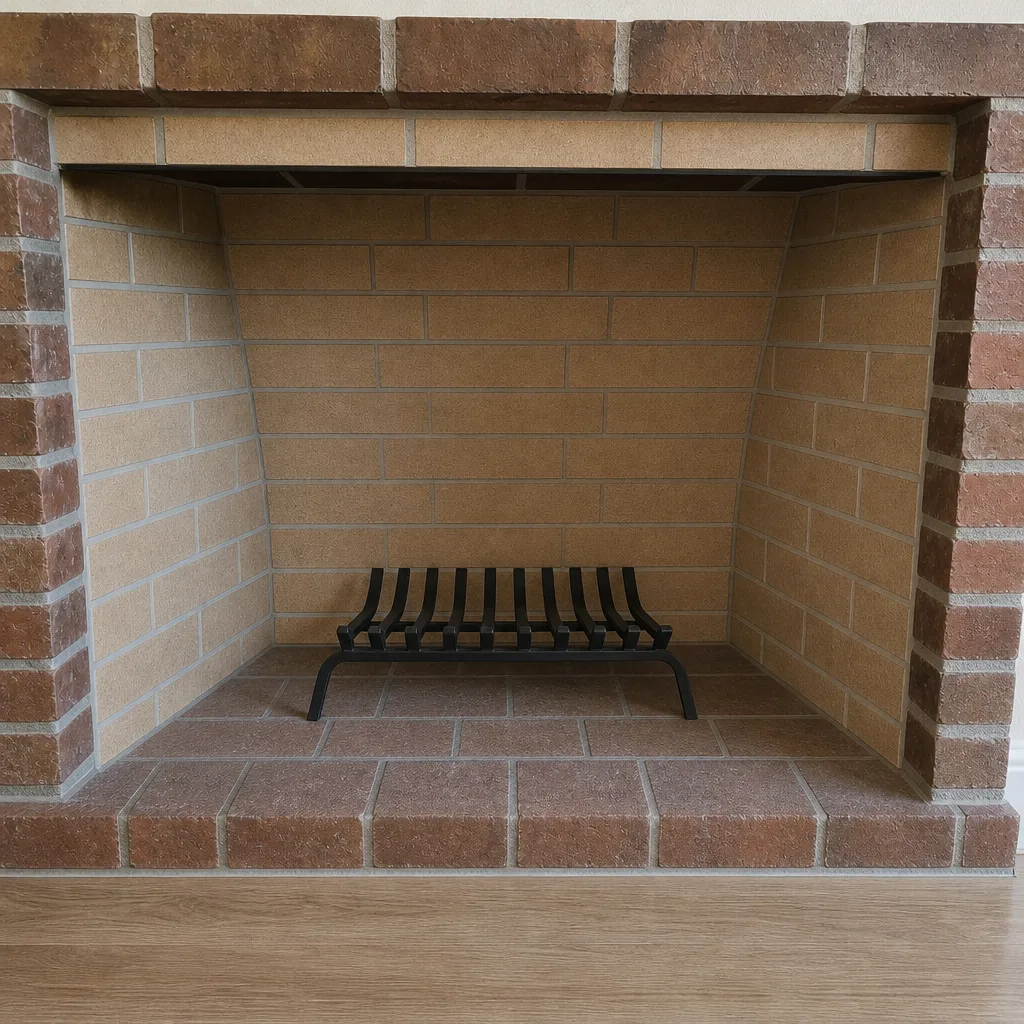
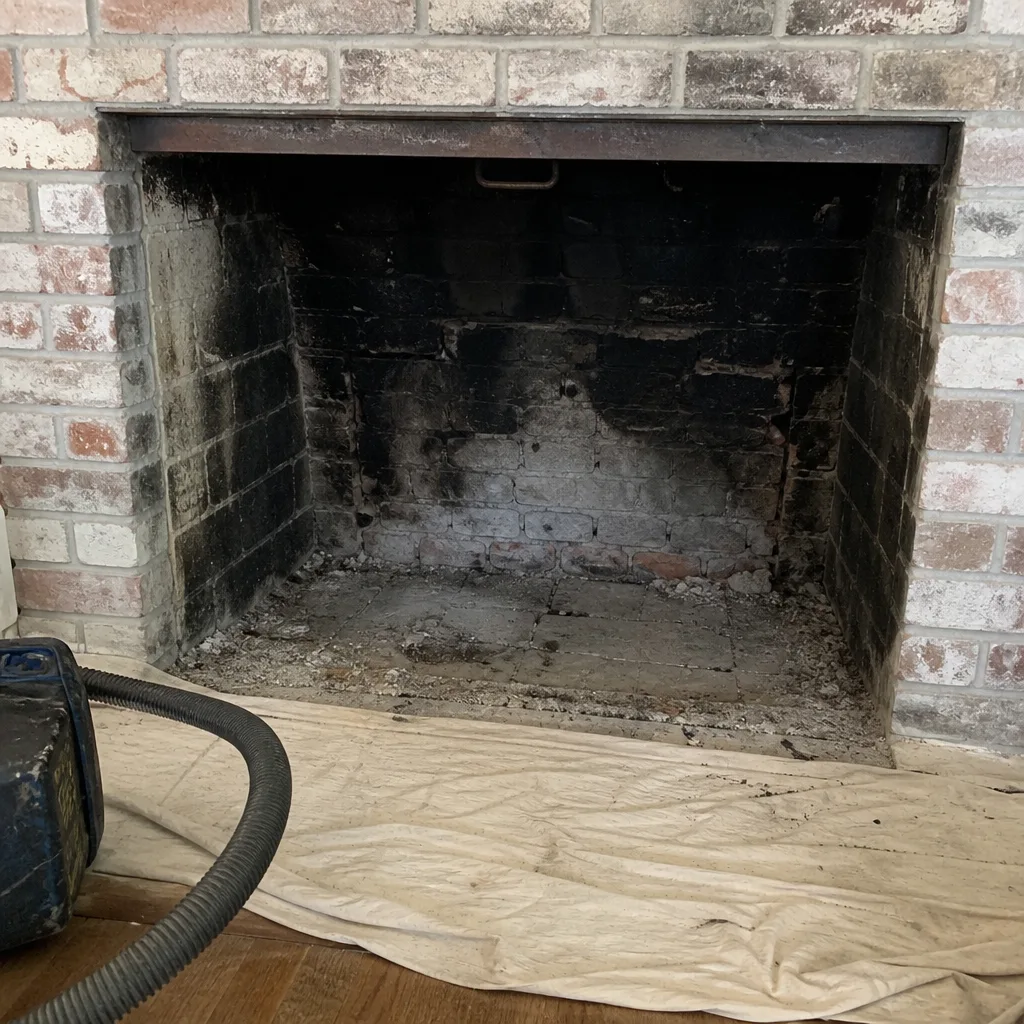
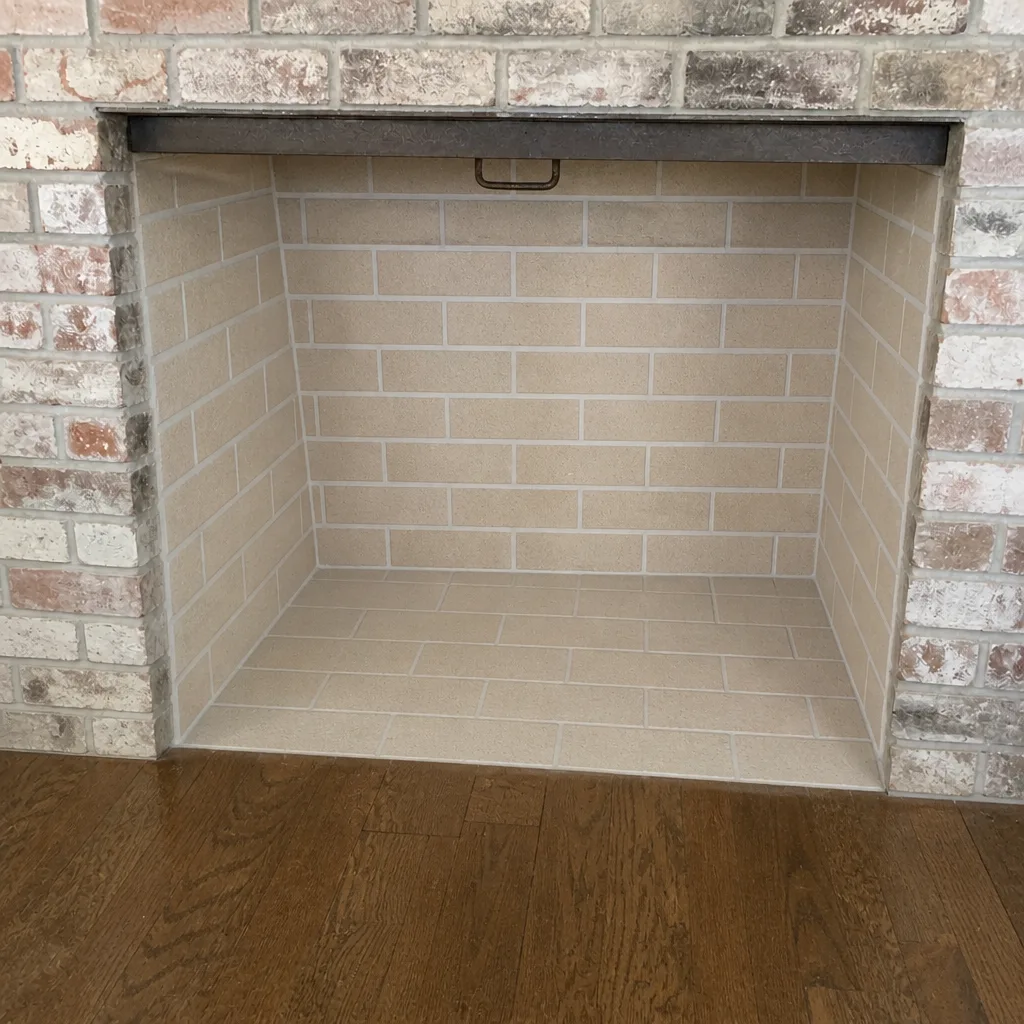
See the difference
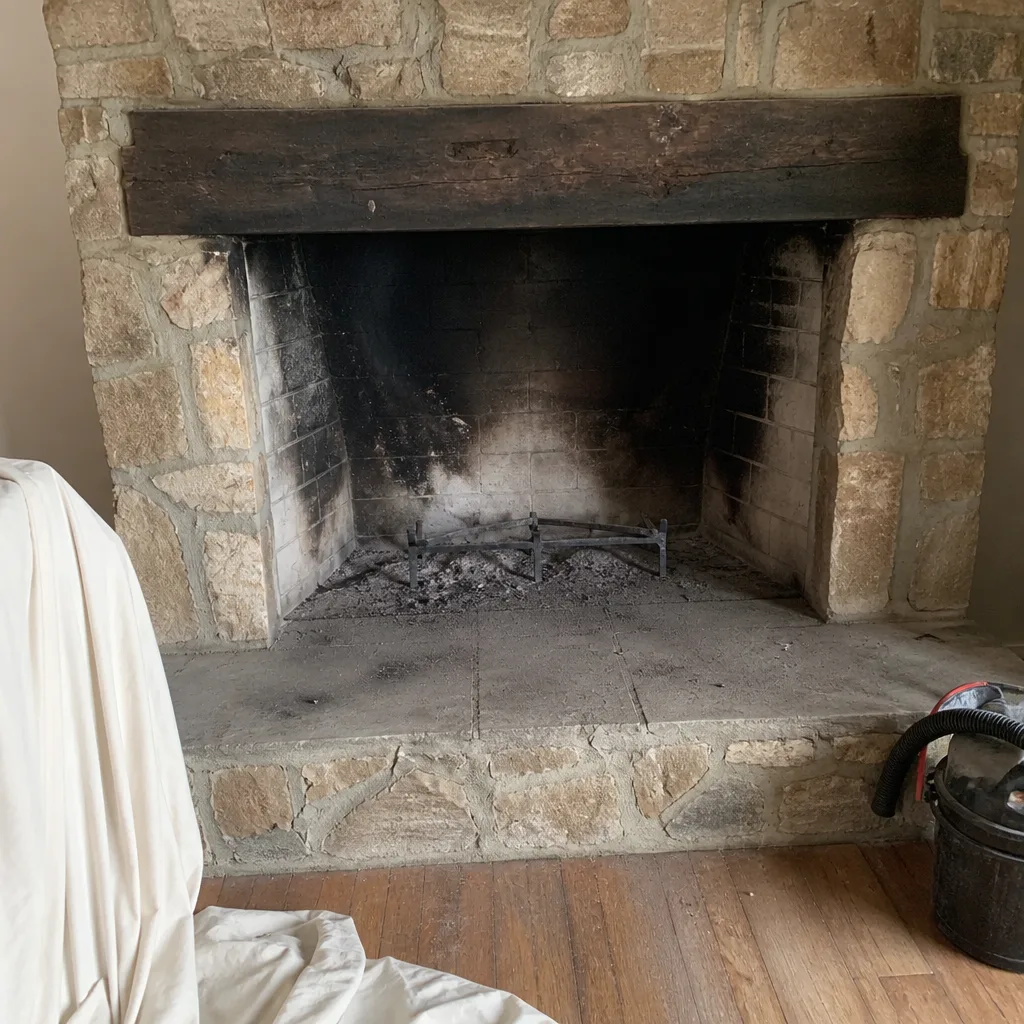 Before
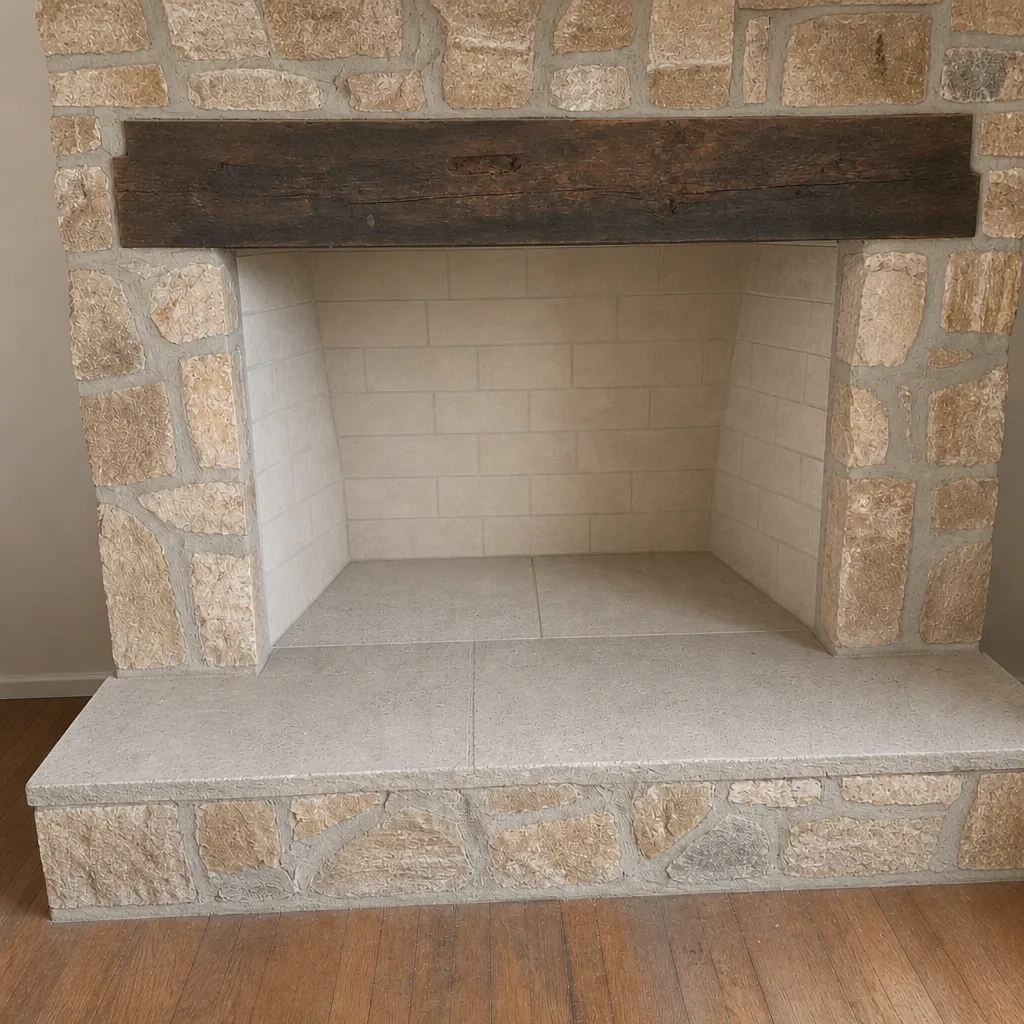 After
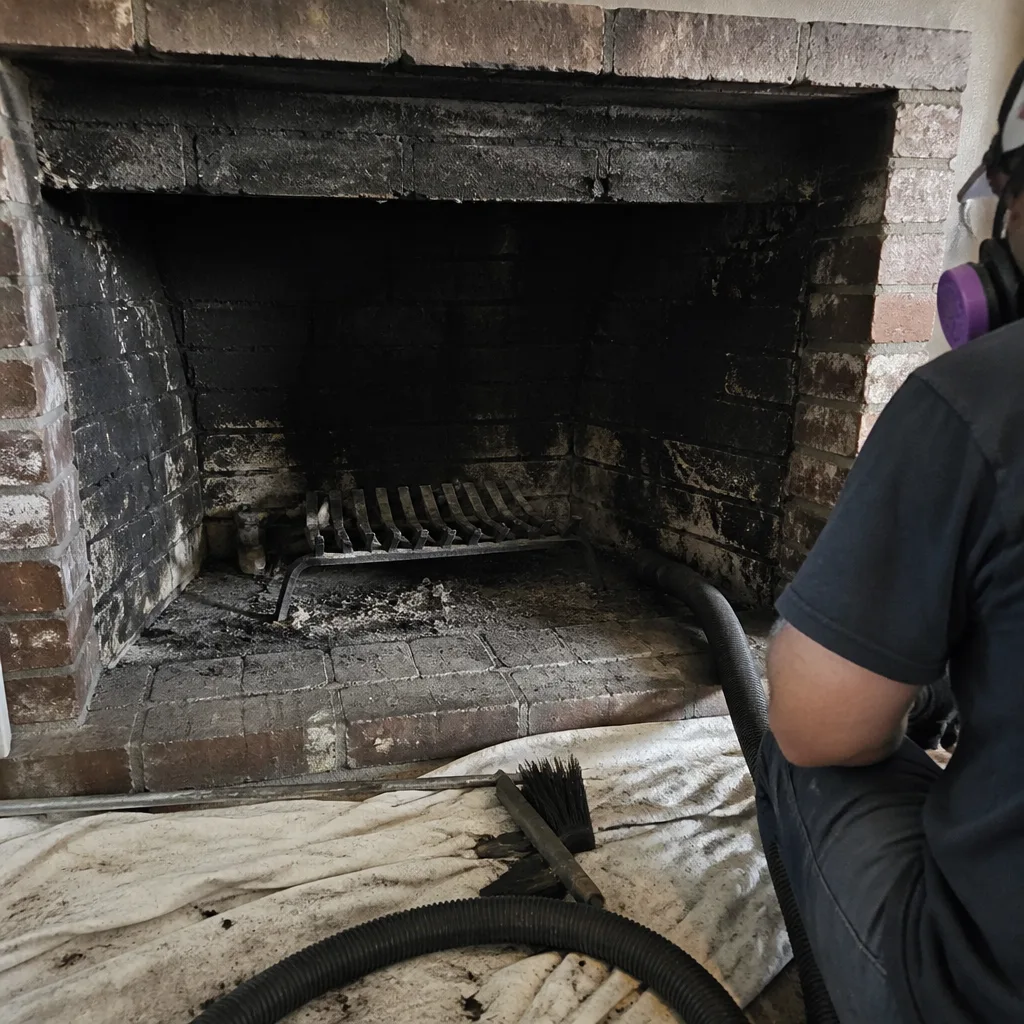 Before
 After
 Before
 After
Common Mistakes to Avoid
- Treating white staining as a cleaning problem. A pressure-washed efflorescence stain comes right back if the water source hasn’t changed. The crown, flashing, or masonry repair is the fix; the stain is the symptom.
- Waiting until winter to book. In San Clemente, the burn season runs late in the year, but the inspection should happen before it. Calling in November means waiting, and the crown crack you noticed in June has had a whole fall’s rain in it.
- Skipping a chimney that’s only used a few times a year. A low-use fireplace is where the smell and animal problems hide. Debris and animal nests build up quietly, and a light-use chimney can still hold enough creosote to matter.
- Dragging the living room rug close to the firebox for a “cozy” look. Keep the hearth clear by at least the width of the hearth pad. The warning sign that hurts people most is heat at the edge of the hearth where floor material isn’t rated for it.
- Assuming a cracked crown is a cosmetic crack. Cracks on the flat top of the chimney are water entry points. They get worse every winter, and the masonry damage they cause is the expensive kind to fix.
- Roof walks to check the chimney. We see it constantly: a homeowner on a steep roof taking a phone photo of the crown. Don’t. Binoculars from the yard get you 90% of what a camera check gets you, without the fall risk.
- Using a consumer sweep kit on a sooted flue. A rotary brush on a sooted flue drives dust through the house and still doesn’t reach the chamber or the damper. If there’s soot, the sweep is the professional part.
When to Call a Professional
Call the week you see any Tier 1 sign on this list. Call within the month for anything in Tier 2, before the next burn season if you can. Rust streaks that keep returning, a damaged cap, a slow draw that only works with a window open, or any recurring smell in a cold fireplace all point to a structure problem, and the camera tells you what it is. We’ve made the point throughout this guide: nothing gets recommended without camera evidence that you can see for yourself, and we tell you plainly when a repair can safely wait a season. San Clemente Chimney Sweep offers free estimates in San Clemente for a scope of work based on what the inspection finds. Call (833) 509-5558. We answer 24/7. Fast dispatch from 7am to 7pm, Sunday through Friday.
Frequently Asked Questions
The earliest signs are a smoky smell coming from a cold fireplace, soot flaking into the firebox, and a fire that draws less willingly than it used to. Creosote buildup on the flue wall is the underlying cause, and a light coat of it is completely normal after a season of use. Visible creosote that’s thick, gummy, or shiny means it’s time. Call (833) 509-5558 for an exact quote and a camera check; the estimate is free.
It might be cosmetic and it might not. White staining, called efflorescence, means water is moving through the masonry and evaporating on the face. If the mortar beneath the stain is sound, the crown is intact, and the stain appears and clears with the rain, it’s a watch item. If the joints are soft or recessed, the crown is cracked, or the stain never clears, the water is getting in deeper and the crown or masonry needs attention. Call (833) 509-5558 for an exact quote; estimates are free.
The most likely cause is a blockage, not a draft problem. In San Clemente, a shifted chimney cap, a clogged cap screen, a jammed damper, or debris or an animal nest in the flue all slow draw in ways that look like poor draft. The test is a tissue held near the firebox with the damper open and no fire lit; if it hangs still and the fire smokes back, the flue is restricted. A camera inspection settles it. Call (833) 509-5558 for an exact quote; the estimate is free.
Yes, especially if it keeps coming back. Rust around the firebox opening usually means water has reached the damper or the smoke chamber. A single rust streak that appears after a wet winter and then stops can be watched. Rust that returns, damp brick below it, or a damper that won’t close is a schedule-this-month item. Call (833) 509-5558 for an exact quote; estimates are free.
Once a year is the standard recommendation, and a low-use fireplace usually needs that as a check rather than a heavy sweep. The annual visit is what catches an animal nest, a rusted damper, or a crack in the flue that a light-burning household would never notice on its own. If the inspection shows a clean flue and no structural issues, we say so. Call (833) 509-5558 for an exact quote; the estimate is free.
Yes, for the exterior. Binoculars from the yard will show you the crown, cap, mortar, and any staining, and a photo with a date gives you a comparison point for next year. What you cannot check from the ground is the inside of the flue, the smoke chamber, or the damper assembly; those need a camera. Interior problems are the ones that matter most for safety, and the annual inspection is what catches them. Call (833) 509-5558 for an exact quote; estimates are free.
The Bottom Line
Warning signs only help if you can recognize them and know what to do. The five exterior signs (white staining, crown cracks, a loose cap, rust streaks, and crumbling mortar) all point to water getting into the structure, and two or more together is a call. The interior signs (smell, draw, and debris) split into three sources that you can usually tell apart by context. Rust around the firebox opening is the sign homeowners dismiss as cosmetic and shouldn’t. And when in doubt, sort into the three tiers: stop, schedule, or watch. Document what you see. The camera is the referee. When a sign lands in Tier 1 or Tier 2, our team wants to see it before the next burn season, and a specialist team with the right brands, the right camera, and a chimney-only focus is the one to call.
Call (833) 509-5558. We answer 24/7. Fast dispatch from 7am to 7pm, Sunday through Friday. Estimates are free.
Written by the team at San Clemente Chimney Sweep.