
Last updated November 25, 2026
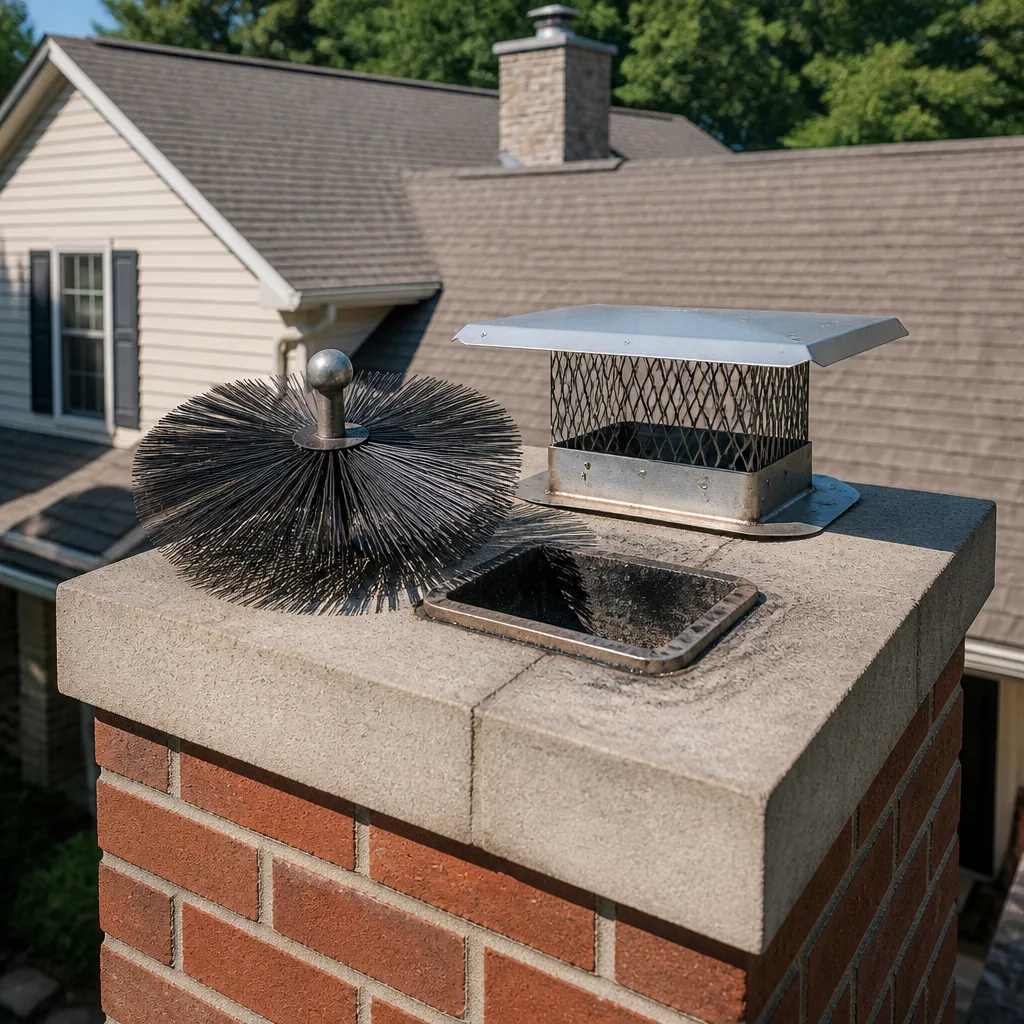 Sweep & inspection
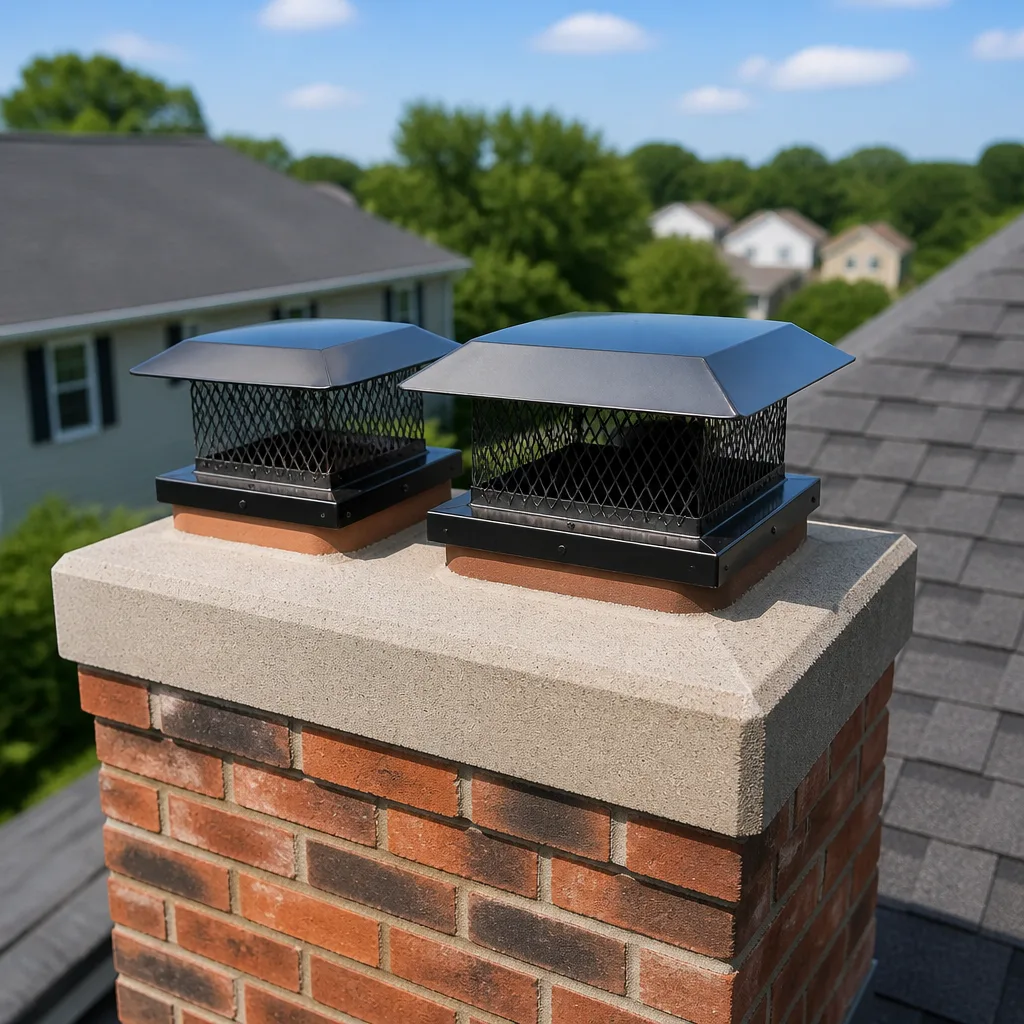 Caps & crowns
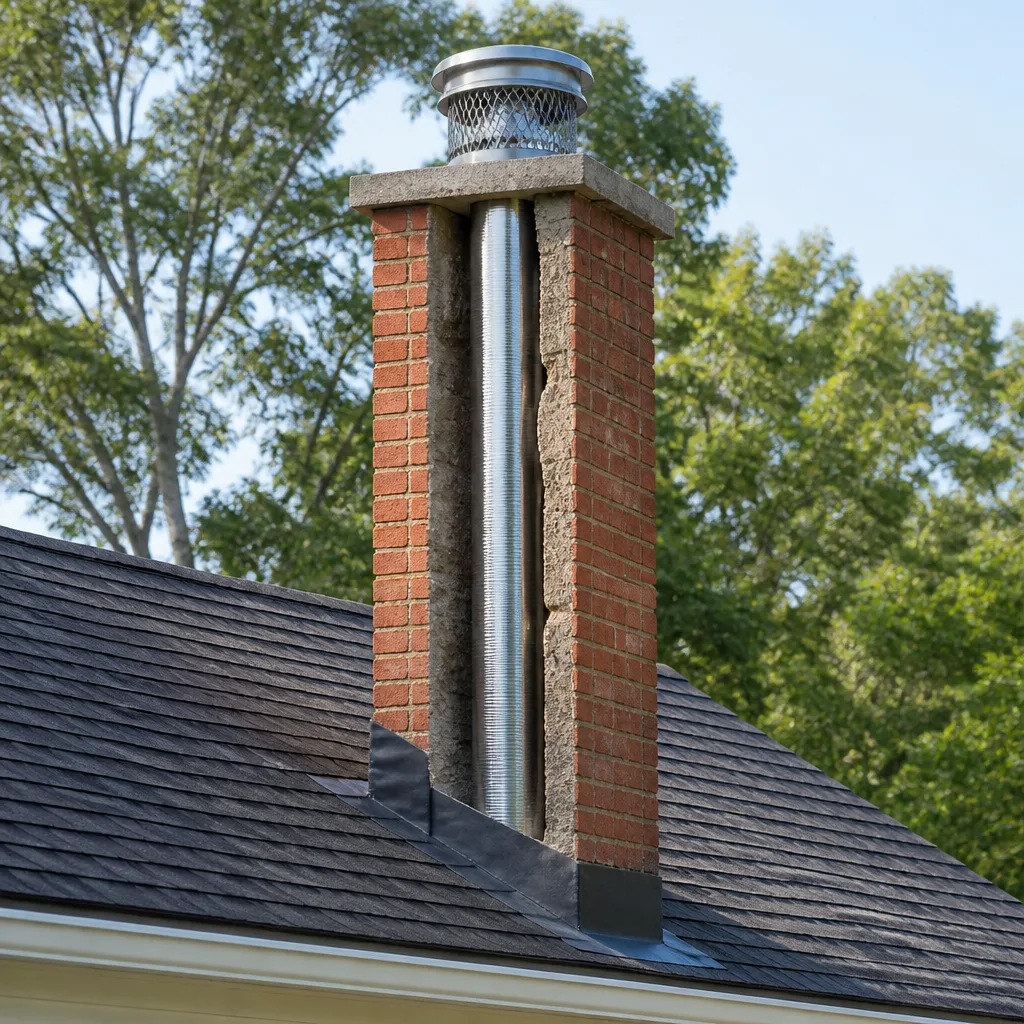 Flue relining
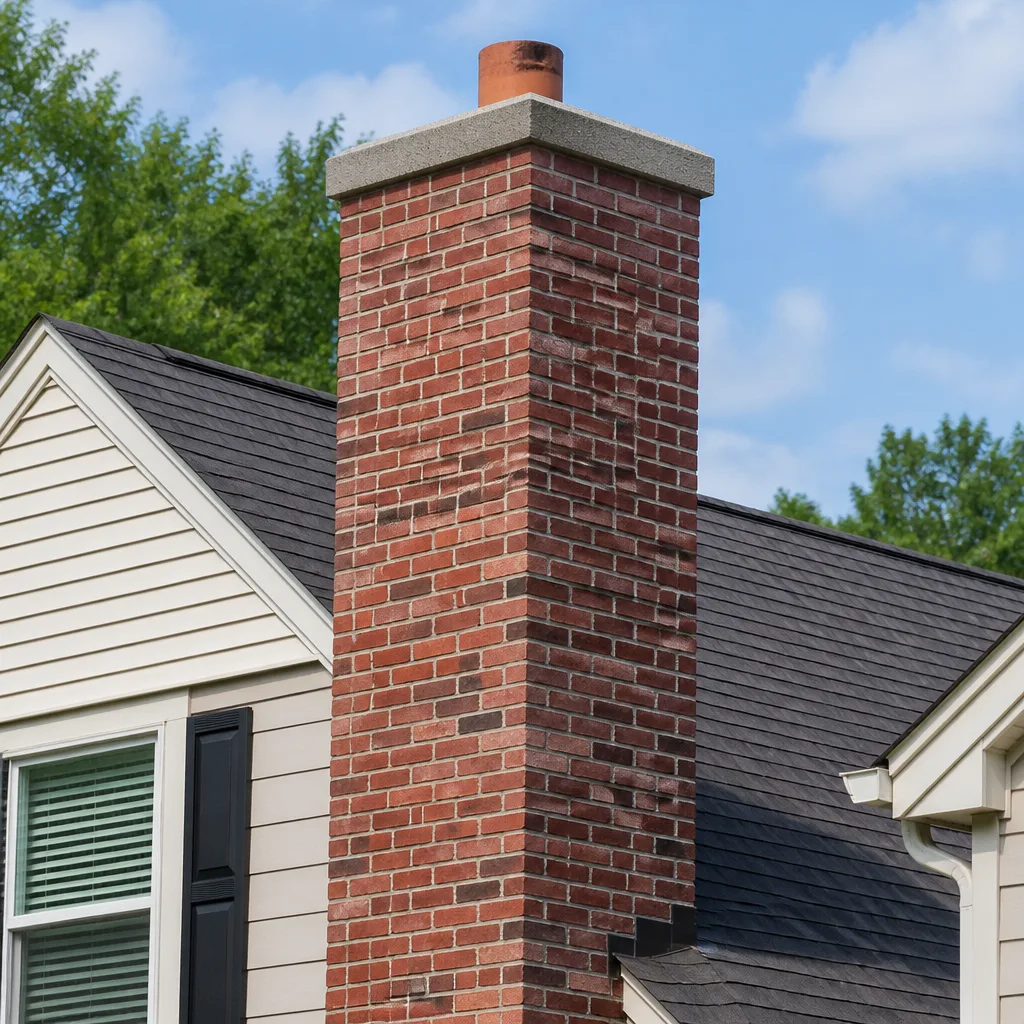 Masonry repair
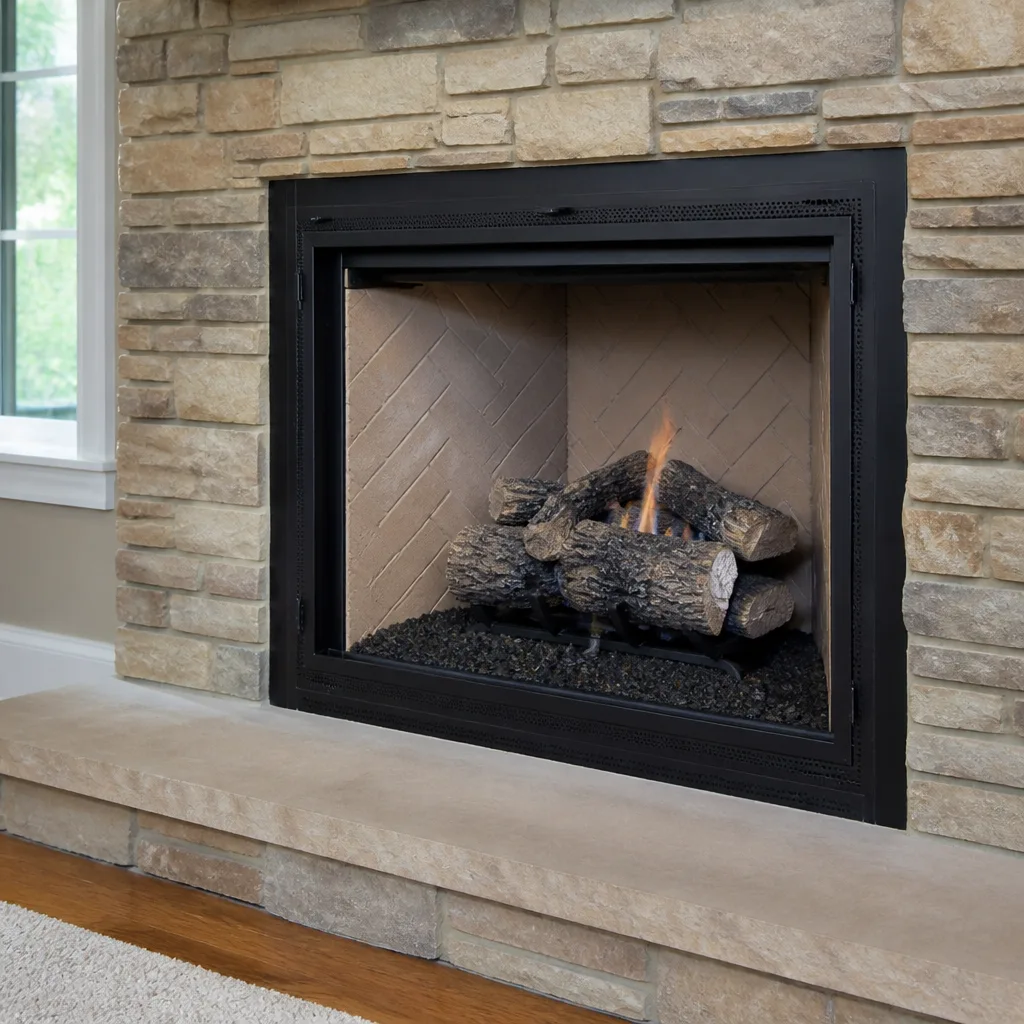 Gas fireplace service
Level 1 sweep and inspection to the NFPA 211 annual standard - flue, crown, cap, and flashing checked and photographed
Chimney sweep logs do not sweep chimneys. They loosen some creosote - which then falls where a brush and vacuum still have to collect it.
The Complete Guide to Chimney Cleaning in San Clemente
Most chimney fires in coastal Southern California don’t start with heavy use. They start with light use. A fire lit a few times each winter, then forgotten for months, gives creosote time to harden into a dense, glassy layer that a quick brush pass won’t touch. Homeowners here often assume that because they burn less than someone in a cold-climate state, their chimney stays cleaner. The opposite is usually true. In this guide we’ll cover what actually builds up inside a San Clemente flue, how a real professional cleaning works step by step, how to read the inspection report you get afterward, and which findings can wait until next season. You’ll finish knowing exactly what you’re paying for.
Quick Answer
A professional chimney cleaning in San Clemente removes creosote, soot, and blockages from the flue, firebox, and smoke chamber, and it includes an inspection of the accessible parts of the system. Most homes that burn occasionally need a cleaning and at least a Level 1 inspection each year, and a Level 2 inspection after any change to the system or a major wind event. The cleaning itself is the easy part. The inspection is what tells you whether the flue is still safe to use.
Styles & brands we work with
- Sweep & inspection
- Caps & crowns
- Flue relining
- Masonry repair
- Gas fireplace service
Table of Contents
- Why San Clemente Chimneys Need a Different Approach
- Why Low-Frequency Burning Produces Harder Creosote
- Level 1, 2, and 3 Inspections: Which One Do You Need?
- What a Full Professional Cleaning Actually Involves
- How to Read Your Technician’s Written Report
- How Often Should a San Clemente Chimney Be Cleaned?
- What Chimney Cleaning Costs in San Clemente
- Common Mistakes to Avoid
Why San Clemente Chimneys Need a Different Approach
San Clemente sits in a band of mild, humid air that most chimney guides were never written for. The town spans from the canyon floors up through the 92672 and 92673 elevations, and the air behaves differently at each level. Lower canyon properties sit under the marine layer longer, so the exterior masonry stays damp well into the morning. Ridgeline homes above the 92673 elevations dry out faster but take more direct wind. Neither condition is extreme. Both are persistent, and persistence is what wears a chimney down.
What that means in practice is that the outside of a San Clemente chimney often ages faster than the inside. Mortar joints soften. Crowns develop hairline cracks. Flue tiles spall at the seams. None of this shows up when you look up from the driveway on a clear afternoon, which is exactly why a hands-on inspection matters more here than the cleaning itself. A chimney can look solid from the street and still have a crown that’s letting water into the smoke chamber.
Generic chimney advice assumes hard freezes, heavy snow loads, and a long heating season. None of that applies in San Clemente. What does apply is a long, mild, humid stretch where small moisture problems have months to grow. We treat the local environment as the main variable, not a footnote, because that’s how the damage actually develops.
- Canyon-to-coast zones: lower elevations stay damp longer and dry slower after rain.
- 92673 ridgeline homes: more wind exposure, faster exterior drying, more debris driven into caps.
- Mild winters: a long shoulder season where small cracks widen quietly.
- Infrequent burning: less heat moving through the flue, so moisture lingers inside longer.
Why Low-Frequency Burning Produces Harder Creosote
Creosote forms in stages, and the stage depends on how hot and how often the fire burns. A chimney that sees a fire most nights through a cold winter runs hot enough to burn off the light, flaky first-stage creosote before it can accumulate. A chimney that sees a fire a handful of times each season does the opposite. The flue stays cool, the smoke condenses against the walls, and stage-two creosote glazes into a hard, tar-like shell that clings to the tile.
That’s the pattern we see most often in San Clemente. Homeowners burn for ambiance on cool evenings, maybe a stretch around the holidays, then the fireplace goes quiet for months. Each short burn adds a thin layer. Over a few seasons those layers fuse into something a standard brush will skate right over. Stage-three creosote is the worst of it: a concentrated, fuel-rich glaze that ignites at lower temperatures than the fluffy stuff.
The counterintuitive part is that a lightly used chimney can be closer to a fire risk than a heavily used one. Heavy use tends to come with regular sweeping. Light use tends to come with the assumption that nothing needs attention. If your fireplace only gets lit a few times a year, that’s a reason to have it inspected, not a reason to skip it.
What makes creosote stickier here
- Cool flue temperatures: short, small fires don’t push enough heat up the flue to dry it out.
- Damp fuel: wood stored outdoors in humid air lights slowly and smolders, which produces more creosote.
- Long idle periods: condensation settles on the flue walls between burns and gives new deposits something to grip.
- Restricted draft: a partially blocked or undersized flue slows smoke and lets more of it condense.
Burning dry, well-seasoned wood and running a hotter fire helps, but it doesn’t replace an annual sweep. Once stage-two creosote is bonded to the flue, no amount of good burning removes it. It has to be mechanically swept or chemically treated by a professional.
Level 1, 2, and 3 Inspections: Which One Do You Need?
Chimney inspections follow industry-standard assessment practices, usually described as three levels. The level isn’t a measure of quality; it’s a measure of how much of the system gets examined. Choosing the right one comes down to what’s changed since the last inspection and what the technician can see from the firebox.
Level 1 inspection
A Level 1 covers the readily accessible parts of the chimney and venting system with the tools you’d normally have on hand: a flashlight, a mirror, and a visual read of the firebox, damper, smoke chamber, and the flue as far as it can be seen. It’s the right call for a chimney that’s been inspected before, hasn’t changed, and is being used the same way it always has been. If you burn occasionally and nothing structural has changed, this is usually what you need alongside an annual cleaning.
Level 2 inspection
A Level 2 goes further. It includes everything in a Level 1 plus a video scan of the flue interior, access to attics and crawl spaces where the chimney passes through, and a look at the connections and clearances. You want a Level 2 whenever something about the system has changed: a new appliance, a different fuel, a liner replacement, a change in how the fireplace is used, or after an event that could have caused damage.
In San Clemente, that “event” is usually a Santa Ana wind. Those offshore gusts push hard on chimney caps, drive debris into flues, and can crack crowns and mortar that were already marginal. It doesn’t take a visible break to cause a problem; a hairline crack in the crown or a shifted flue tile is enough to compromise the system. After a strong Santa Ana event, a Level 2 inspection is the sensible standard rather than a visual glance from the roof.
Level 3 inspection
A Level 3 is a diagnostic inspection, and it means opening up parts of the chimney or building when a serious hazard is suspected and can’t be confirmed any other way. It’s rare. It usually follows a Level 2 finding that can’t be resolved with a camera, or a known event like a chimney fire. If a technician recommends a Level 3, ask them to explain exactly what they’re looking for and why the camera or a Level 2 couldn’t answer it.
What a Full Professional Cleaning Actually Involves
A real cleaning is a sequence, not a single pass with a brush. Here’s the process from the moment a technician arrives to the moment you get your report. When you book a chimney sweep, this is what you’re paying for.
- Protect the room. Drop cloths go down around the hearth and a containment system keeps soot out of the living space. A proper job leaves the room clean.
- Check the firebox and damper. The technician looks for cracks in the firebox brickwork, a damper that won’t open or seat fully, and any ash or debris buildup before sweeping begins.
- Inspect the crown and cap from outside. The crown is the concrete or masonry top of the chimney that sheds water. The cap keeps rain and animals out. Both get checked before the flue is swept, because a broken crown changes how you approach everything below it.
- Sweep the flue. The right brush or rotary tool is selected for the flue type, and the whole flue gets swept top to bottom or bottom to top depending on the setup. Creosote that’s glazed may need a chemical treatment or a rotary pass before it comes loose.
- Clean the smoke chamber and smoke shelf. This is the sloped space between the firebox and the flue, and it collects soot that homeowners never see. Many quick sweeps skip it. A real cleaning doesn’t.
- Clear the firebox and remove debris. Ash, soot, and any fallen chunks of flue tile or mortar are removed and hauled away.
- Run a camera if it’s warranted. When the level of inspection calls for it, a video scan confirms the flue is clear and records the condition of the tiles and liner.
- Write the report. The technician documents what was found and separates urgent findings from items that can wait until next season.
That last step is the one most homeowners undervalue. Anyone can push a brush up a flue. The value is in knowing what the inside of your chimney looks like and what it means for the season ahead.
How to Read Your Technician’s Written Report
A written report is only useful if you can tell which findings are urgent and which ones are simply notes for later. At San Clemente Chimney Sweep, nothing gets recommended without camera evidence you can see for yourself, and we’ll say plainly when a repair can safely wait. Here’s how to sort the findings on your report.
Findings that usually require action before your next fire
- Stage-three creosote: a concentrated, glazed deposit that ignites at low temperatures. This is the finding that most often triggers a sweep recommendation.
- Cracked or displaced flue tiles: gaps let combustion gases and heat escape into surrounding framing.
- A damaged or missing crown: water gets into the chimney structure and weakens the mortar and flue over time.
- Blockages: bird nests, debris driven in by wind, or a collapsed flue section. A blocked flue is a carbon monoxide risk.
- A firebox with cracked brickwork or a failing damper: both compromise how the fire behaves.
Findings that can usually wait until next season
- A light dusting of stage-one creosote that hasn’t bonded to the flue.
- Cosmetic wear on the exterior brick that doesn’t affect water shedding.
- A slightly loose cap that isn’t displaced or open to the flue.
- Minor soot staining on the firebox face that has no structural effect.
If your report reads like a list of big-ticket repairs with no photos or video to back them up, ask to see the evidence. A specialist can show you exactly what they saw. If a sweep tells you that you need a full reline without a camera scan to back it up, that’s your cue to get a second look. When a flue is genuinely deteriorating but not beyond saving, options like chimney repair with a resurfacing product can restore the interior without a full demolition.
How Often Should a San Clemente Chimney Be Cleaned?
The standard answer is once a year for a chimney you actually use, and more often if creosote builds up faster than that. In San Clemente, “actually use” is doing a lot of work in that sentence. A household that lights the fireplace every cool evening through the season may need a sweep every year without fail. A household that lights it a dozen times a year can sometimes stretch to an annual inspection while cleaning only when the inspection calls for it.
The right way to decide is to have the chimney inspected and let the condition of the flue set the schedule. A technician can tell you how fast your specific setup accumulates creosote based on what’s in the flue now, what kind of wood you burn, and how the fireplace is used. That’s more reliable than a fixed rule applied to every home.
- Regular winter use: sweep and inspect annually.
- Occasional or “ambiance” use: inspect annually; clean when the inspection shows accumulation.
- After a severe Santa Ana wind event: inspect before your next fire, since caps and crowns take the worst of the gusts.
- After any change to the fireplace or flue: Level 2 inspection before use.
- After a suspected chimney fire: Level 2 or Level 3 inspection, and don’t burn until it’s done.
A word on what “clean enough” means
A chimney doesn’t have to be spotless white inside to be safe. What matters is whether the creosote layer is thin, dry, and brushable, or thick, sticky, and glazed. A flue with a light, even dusting is normal between services. A flue with a thick, tarred shell is the condition that calls for immediate action. The camera or the technician’s mirror tells you which one you have.
What Chimney Cleaning Costs in San Clemente
A routine chimney cleaning typically runs $150 to $350 depending on flue length, how much creosote has built up, and whether a camera inspection is included. The written estimate sets the final price before any work starts.
- Standard sweep and Level 1 inspection: usually in the low end of the $150 to $350 range for a single-flue chimney with light to moderate buildup.
- Sweep with heavy or glazed creosote: higher end of the range, because stage-two and stage-three deposits take longer to remove.
- Level 2 inspection with camera scan: priced above a routine sweep, since it covers the full flue and access points beyond the firebox.
- Repairs found during inspection: priced separately and only after you see the evidence and approve the work.
Cost depends on more than length of flue. A chimney that hasn’t been swept in several seasons and is full of glazed creosote takes more time and more tooling than one kept on schedule. A cap that’s been displaced by wind, a crown with cracks to address, or a firebox with a failing damper all add to the work. The estimate reflects what your specific chimney needs, not a flat charge for everyone on the street.
Beware of the very low quote. A cleaning that’s priced well under the going rate is often just a brush and a look from the hearth, skipping the smoke chamber and the crown inspection. That’s not a cleaning, and it isn’t an inspection either. It’s a visit that leaves the parts you can’t see untouched. Ask what’s included before you book, and expect a written report afterward.
Pricing on repair work varies with the scope, and some repairs are structural. If the flue is deteriorating but not destroyed, HeatShield resurfacing can restore the interior walls without demolition, which is a far cheaper option than a full reline where it applies. The only honest way to know which applies to your chimney is a hands-on inspection. Call (833) 509-5558 for an exact quote: estimates are free.
Common Mistakes to Avoid
- Assuming light use means no cleaning. A fireplace lit a dozen times a year can build stage-two creosote faster than one used heavily, because short cool fires don’t dry the flue and burn off the light deposits. In San Clemente, that pattern is the norm, not the exception.
- Skipping the smoke chamber. A sweep that stops at the top of the firebox leaves soot in the sloped smoke chamber, which is one of the parts most prone to ignition. Ask specifically whether the smoke chamber and smoke shelf are included.
- Ignoring the crown and cap. A crown that’s cracked or a cap that’s missing lets water and animals into the flue, and neither failure shows up in the firebox. The exterior is where San Clemente chimneys tend to fail first.
- Burning unseasoned wood. Wood stored outdoors in humid air takes longer to dry than most people expect. Damp wood smolders, produces more creosote, and cools the flue, which makes every problem worse.
- Trusting a repair quote with no evidence. If someone tells you the flue needs a full reline without a camera scan or photos to show why, get a second opinion. You should be able to see the problem on the report.
- Burning again right after a suspected chimney fire. A chimney fire can crack flue tiles and damage the crown without obvious signs from the outside. Have the system inspected before the next fire.
- Waiting until the first cool evening to book. Chimney work in San Clemente is seasonal, and the weeks before burning season fill up. Booking the inspection before you plan to use the fireplace means you’re not waiting for an appointment while the firewood sits stacked.
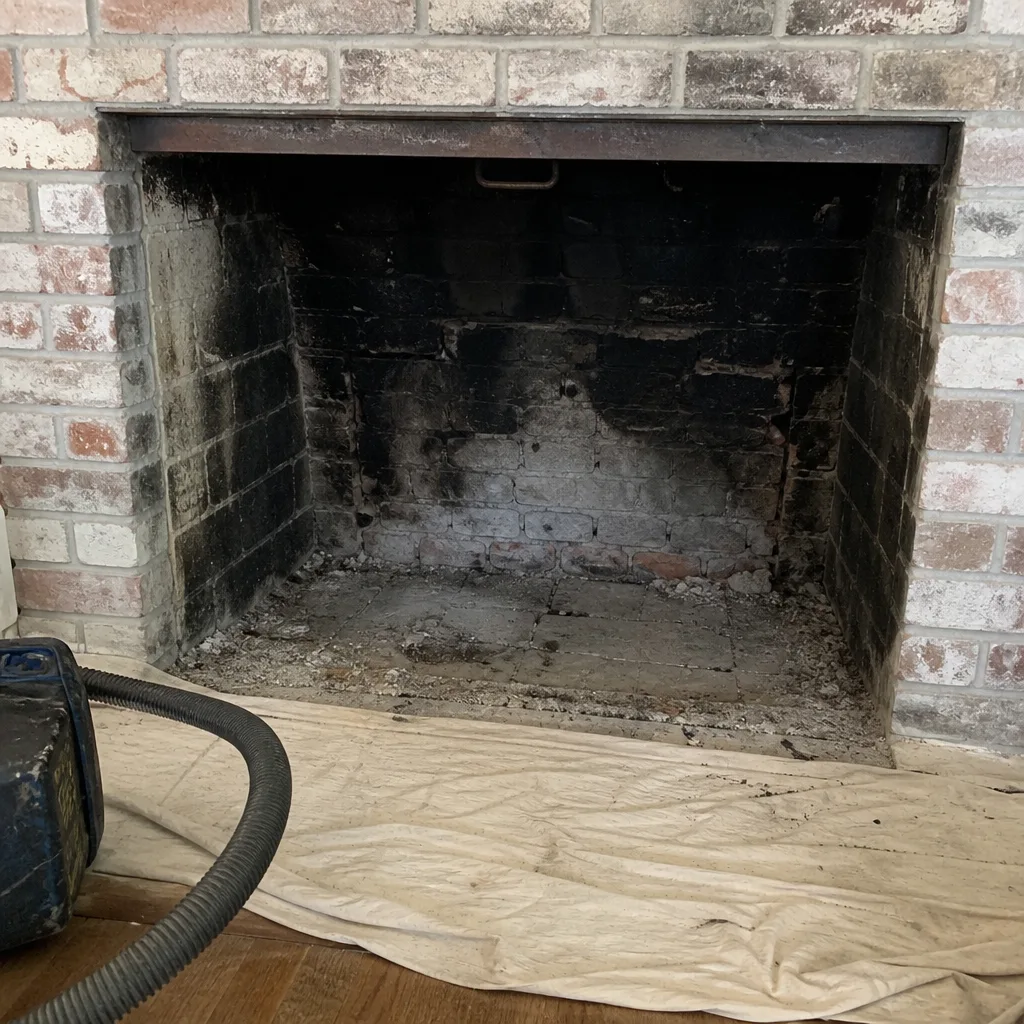
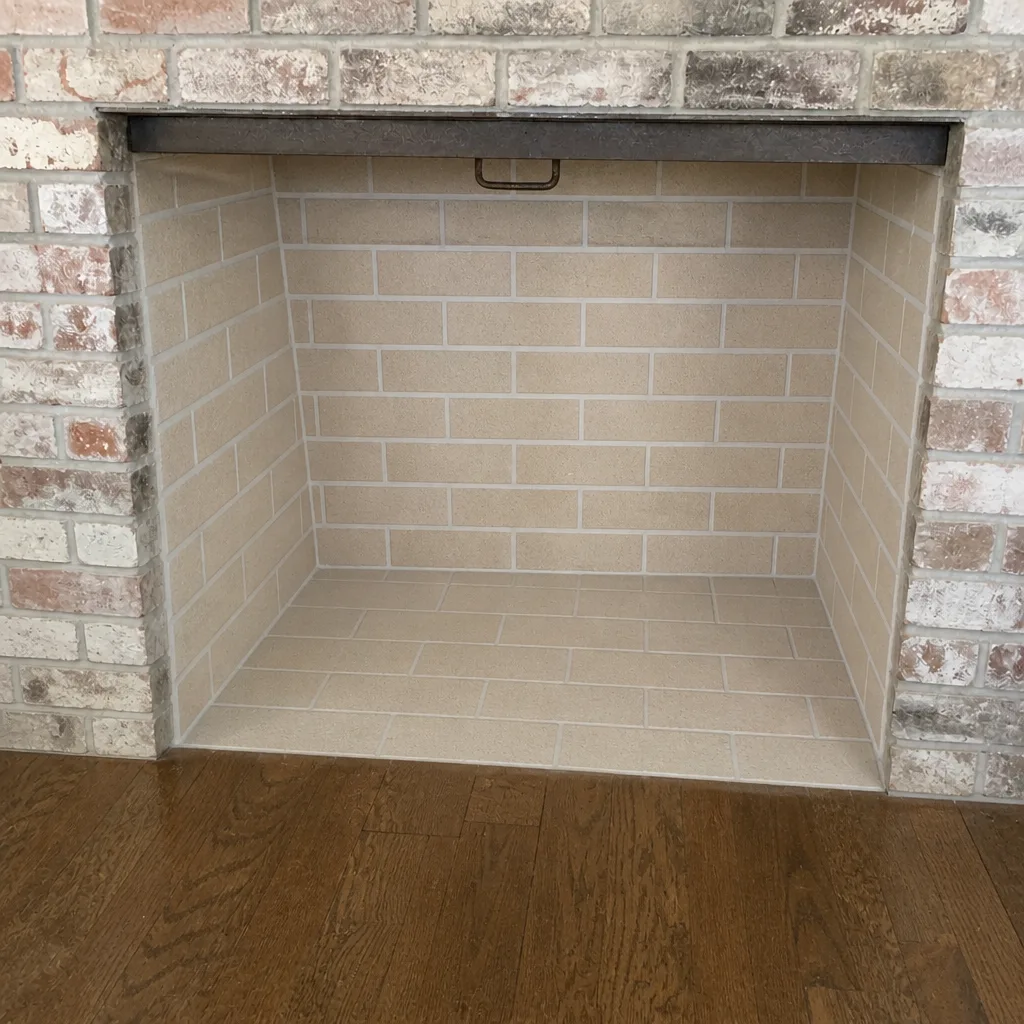
See the difference
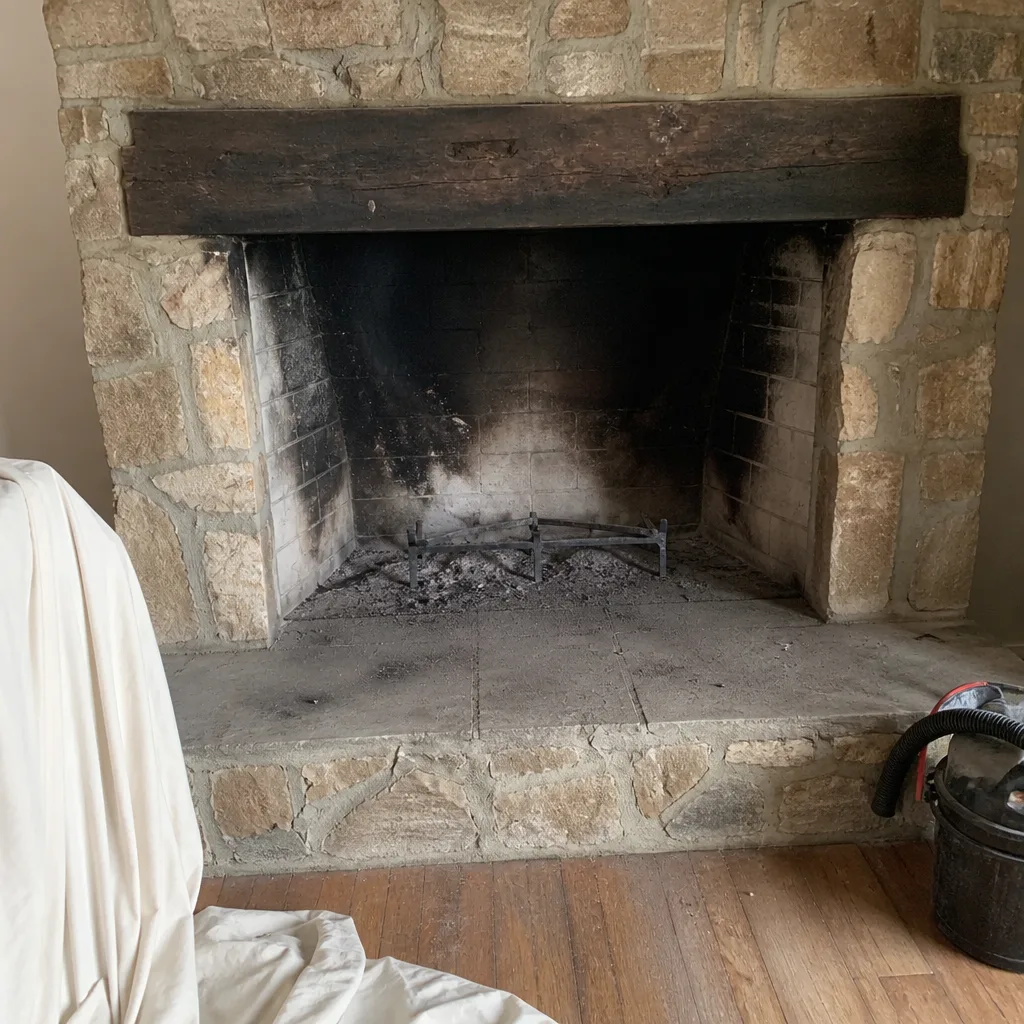 Before
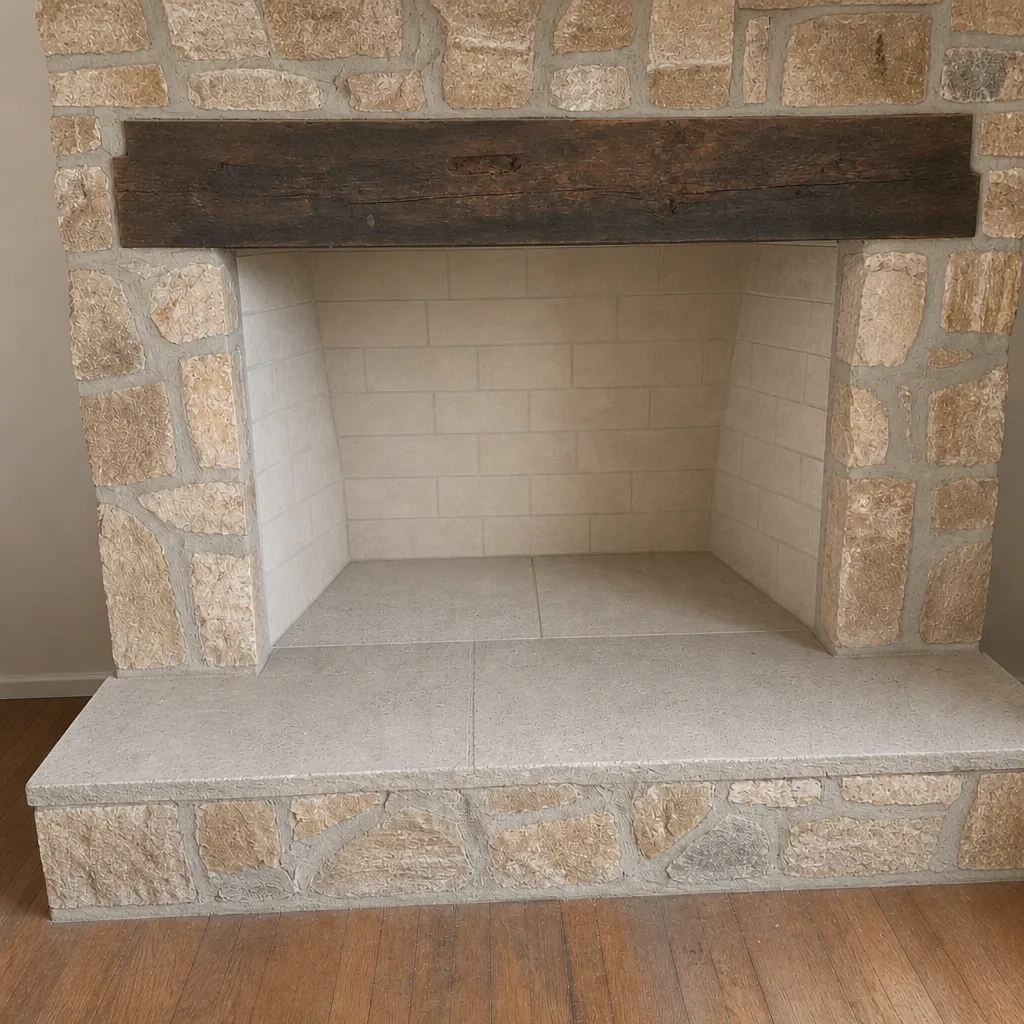 After
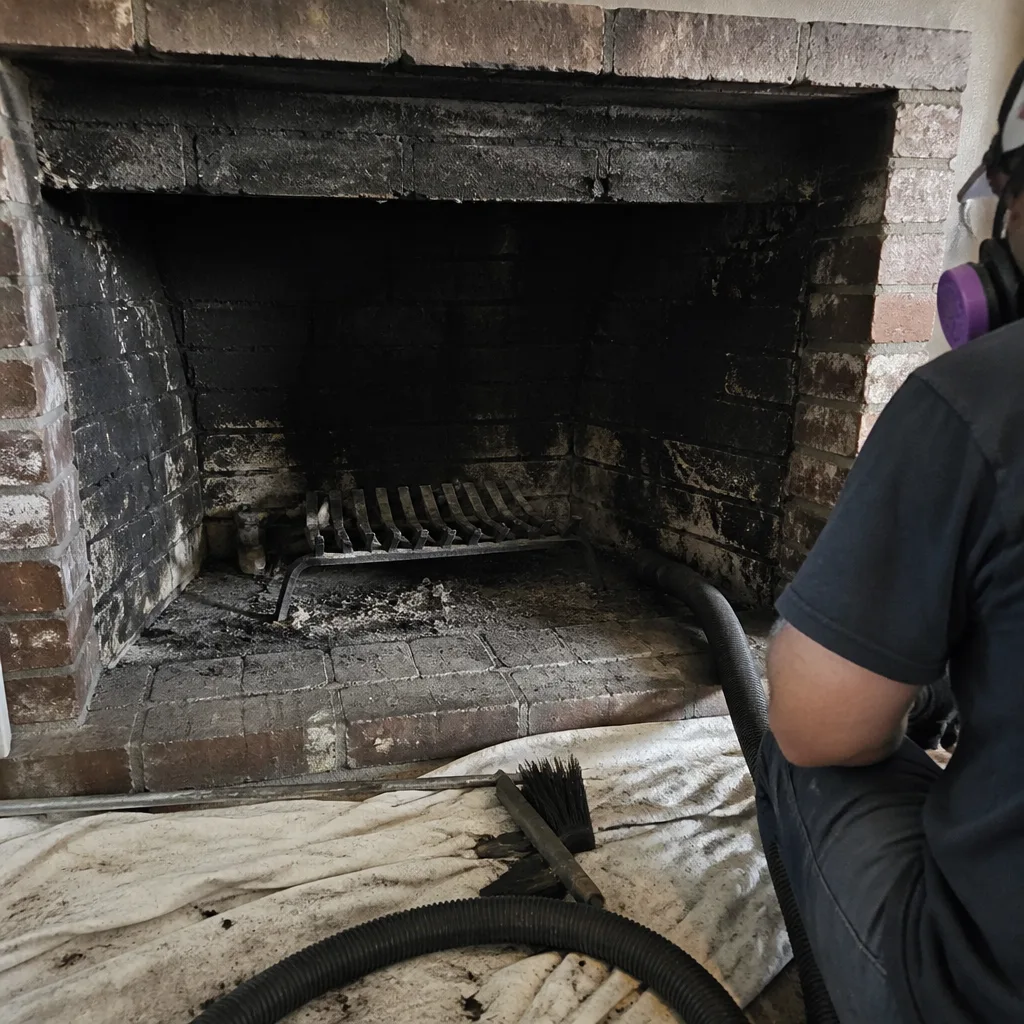 Before
 After
 Before
 After
When to Call a Professional
Some situations call for a trained specialist rather than a homeowner with a flashlight. If you smell a strong, acrid odor from the fireplace even when it’s not in use, that can signal creosote buildup or a draft problem and needs a professional look. If smoke rolls back into the room instead of going up the flue, the cause could be a blockage, a damaged flue, or a draft issue, and it should be diagnosed before you burn again. After a chimney fire or a major Santa Ana wind event, a professional inspection is the right move. And if you haven’t had the chimney looked at in several seasons, start with an inspection rather than a cleaning.
Chimney work involves heights and, in some cases, the structural parts of the system. A firebox, flue, damper, and crown work together, and a mistake in one compromises the others. A specialist diagnoses the whole system, not just the part that’s easy to reach. San Clemente Chimney Sweep offers free estimates in San Clemente – call (833) 509-5558. We answer 24/7. Fast dispatch from 7am to 7pm, Sunday through Friday. A call outside dispatch hours is booked into the next opening, Sunday through Friday, 7am to 7pm.
Frequently Asked Questions
A routine chimney cleaning in San Clemente typically runs $150 to $350, depending on flue length, creosote levels, and whether a camera inspection is included. The written estimate sets the final price before work starts. Call (833) 509-5558 for an exact quote – estimates are free.
You need a new liner when the existing flue is cracked, spalled, or deteriorated past what a resurfacing product can restore. That’s a finding that has to be backed by a camera scan or photos you can look at. A specialist should be able to show you exactly what they saw and explain why a full reline is the right call rather than a resurface. Call (833) 509-5558 to book an inspection: estimates are free.
Once a year for a chimney you use regularly, and more often if the flue builds creosote quickly. For occasional-use fireplaces, an annual inspection sets the schedule: clean when the inspection shows buildup. Call (833) 509-5558 for an exact quote – estimates are free.
Creosote keeps building, and over a few seasons it can glaze into a hard, fuel-rich layer that ignites more easily than the light, flaky deposits. In a mild-climate town where fires are lit less often, that layer can form without anyone noticing. The risk is a chimney fire, and the cost of ignoring it is a much bigger repair. Call (833) 509-5558 to book an inspection: estimates are free.
Because light use produces cooler fires that don’t dry the flue or burn off deposits, so creosote condenses and hardens instead of getting carried away. That’s the most common pattern in San Clemente, and it’s why a lightly used chimney still needs an annual inspection. Call (833) 509-5558 for an exact quote – estimates are free.
A sweep cleans the flue, firebox, and smoke chamber; an inspection assesses the condition of the whole system and reports findings. They’re usually done together, and a good report tells you which findings need action now and which can wait until next season. Call (833) 509-5558 to book both in one visit: estimates are free.
The Bottom Line
Chimney care in San Clemente is less about how much you burn and more about how the flue handles the burning you do. Mild, humid air and infrequent fires create creosote and exterior wear patterns that a generic guide won’t warn you about. The fix is straightforward: an annual inspection with a cleaning when the flue calls for it, a professional who checks the crown and cap along with the flue, and a written report you can actually read. From there, repairs become a decision you make with evidence rather than a guess. A specialist handles the whole system, from sweep to repair to cap, so nothing gets missed.
When you’re ready to know exactly what’s happening inside your flue before the next fire, call (833) 509-5558 for a free estimate. You’ll get a clear read on your chimney’s condition and a written report you can keep.
Written by the team at San Clemente Chimney Sweep.