
Last updated November 25, 2026
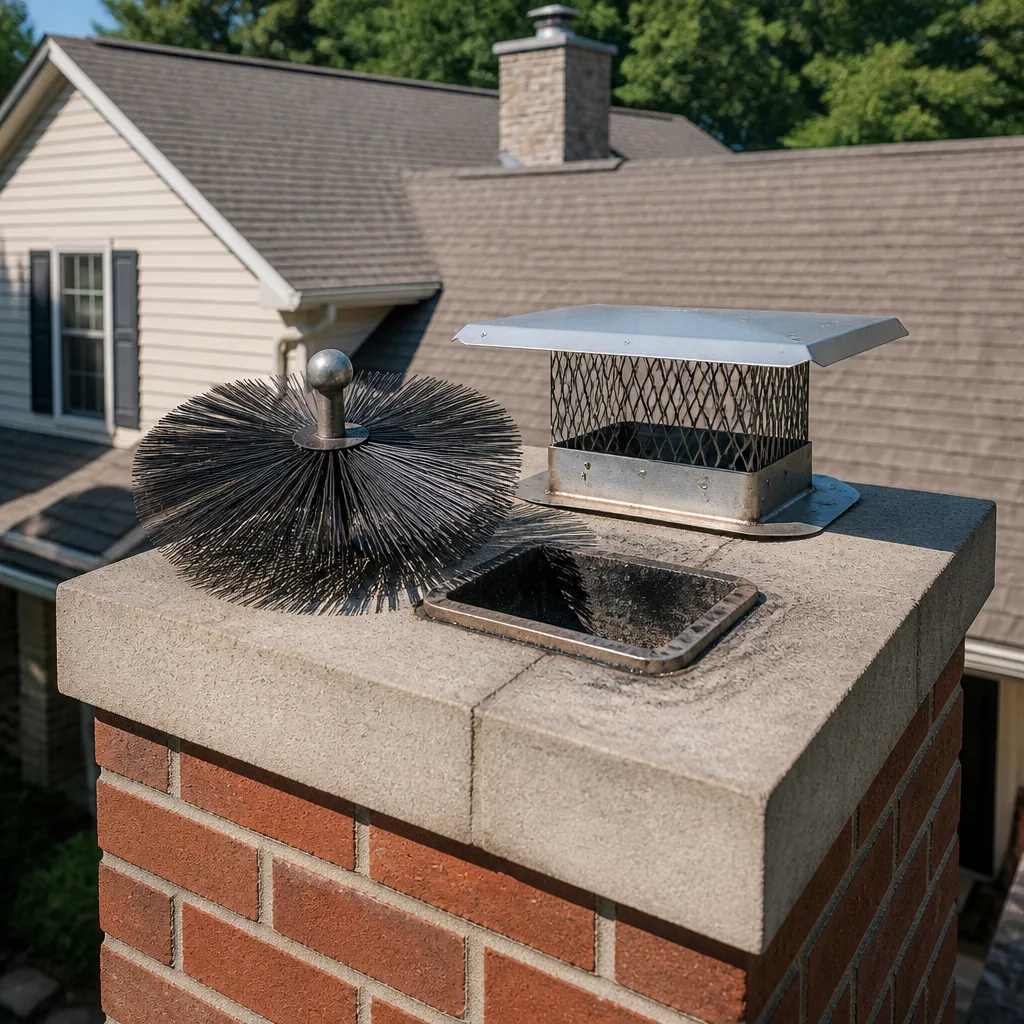 Sweep & inspection
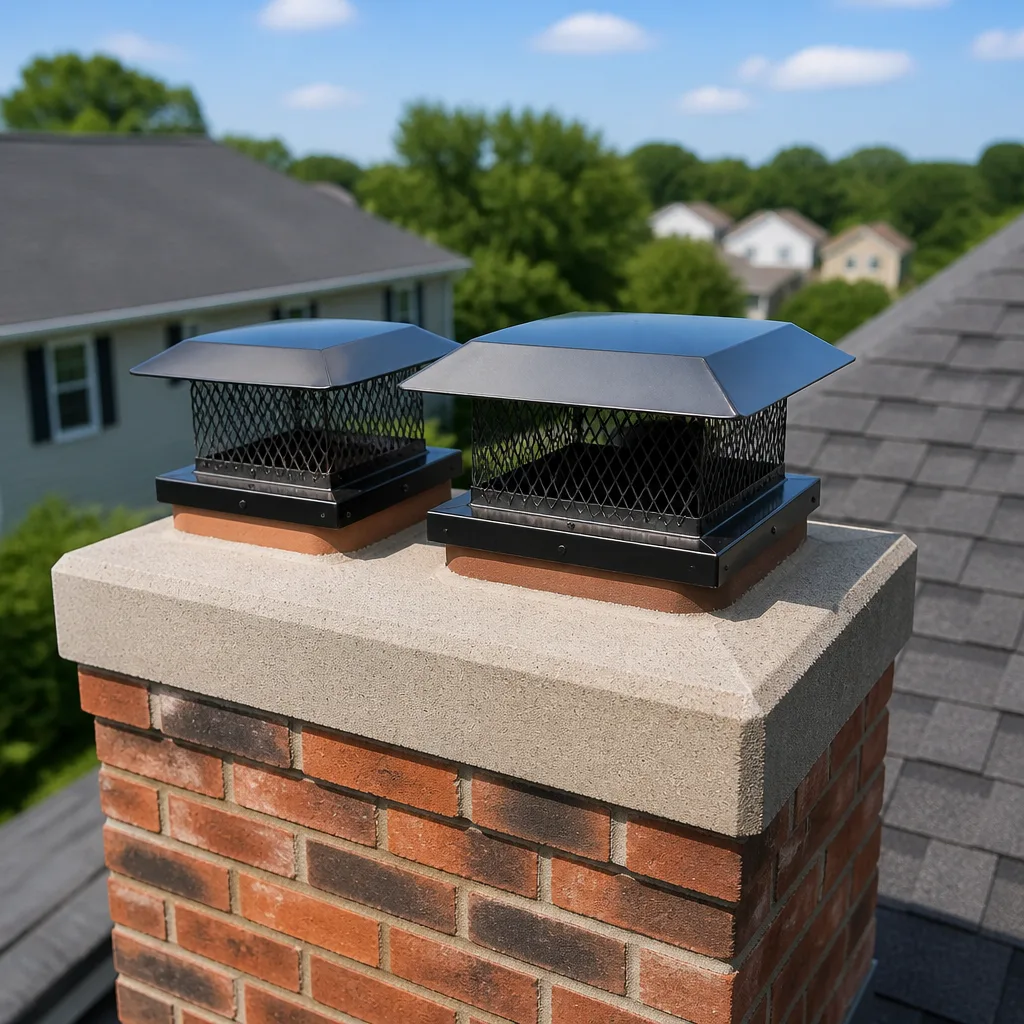 Caps & crowns
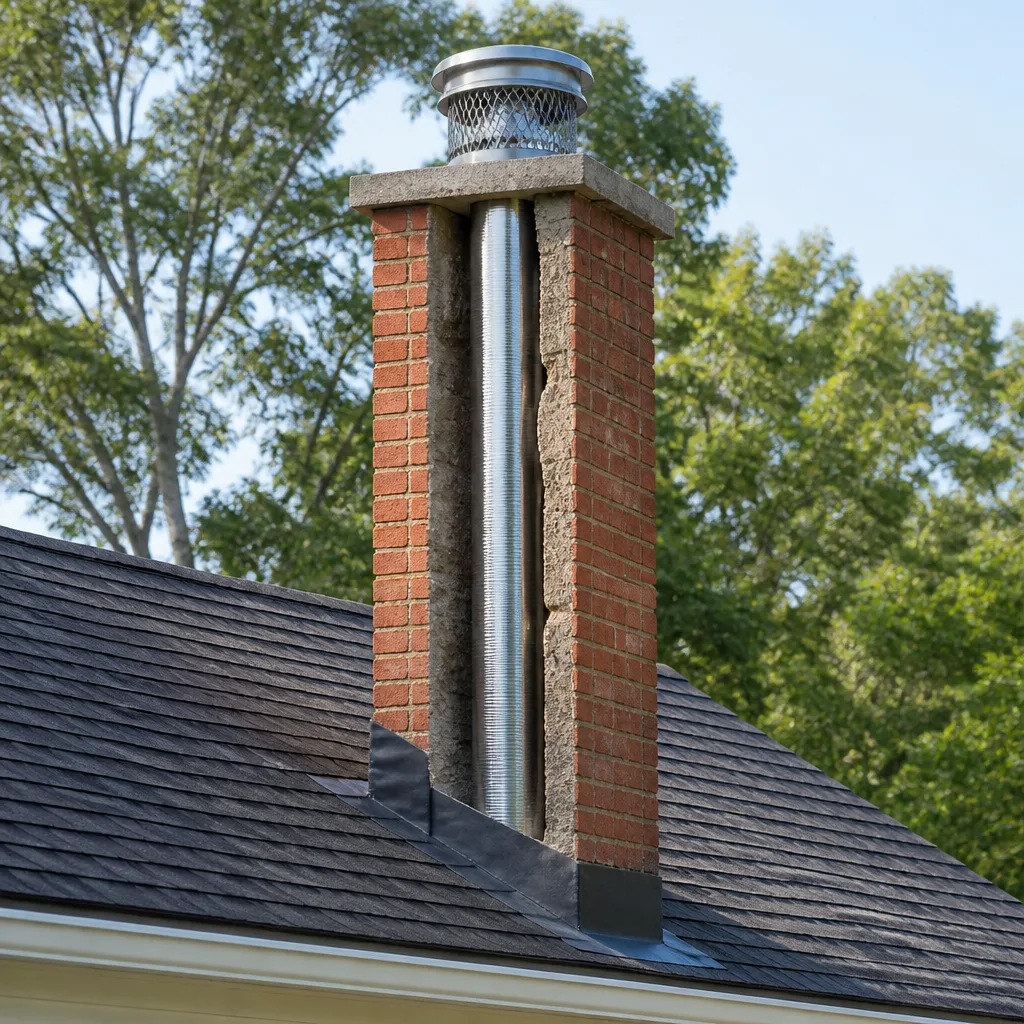 Flue relining
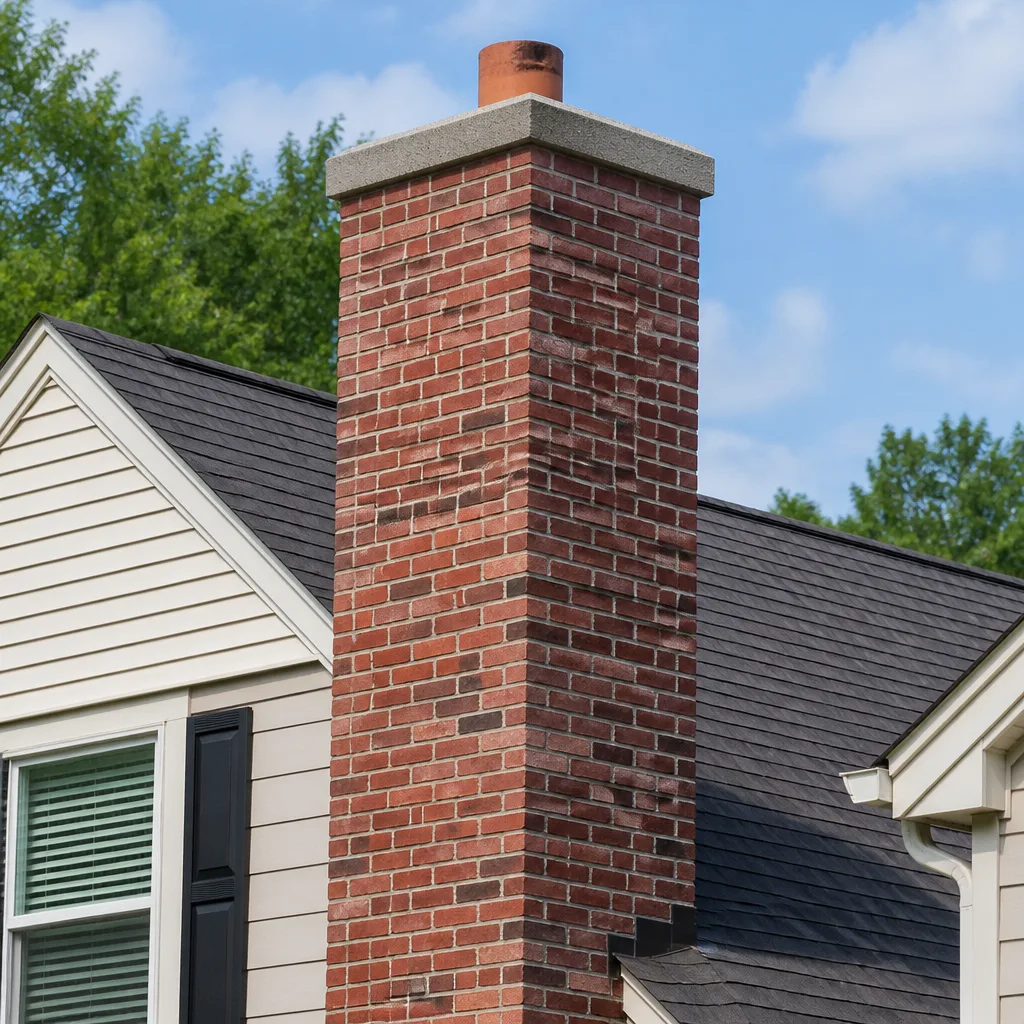 Masonry repair
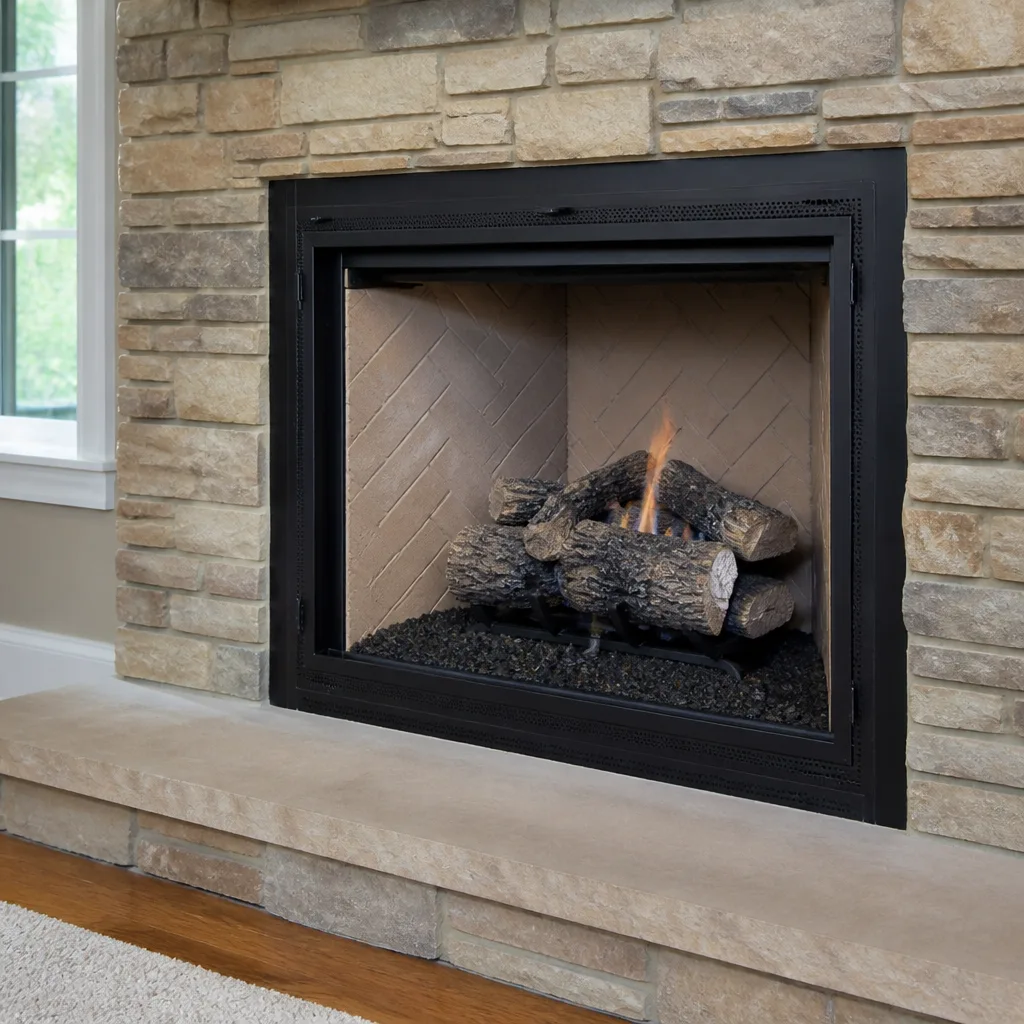 Gas fireplace service
Level 1 sweep and inspection to the NFPA 211 annual standard - flue, crown, cap, and flashing checked and photographed
Chimney sweep logs do not sweep chimneys. They loosen some creosote - which then falls where a brush and vacuum still have to collect it.
Choosing the Right Chimney Cleaning Brand: A Buyer’s Guide for San Clemente
When a chimney sweep tells you they “sealed your crown,” the difference between a DIY-grade sealant that cracks within two seasons and a professional elastomeric product like CrownCoat often comes down to whether the contractor is a dedicated chimney specialist or a generalist who bought whatever was at the supply house. Most homeowners never see this distinction coming. They hire a sweep, the work looks tidy, and nobody asks which liner system went into the flue or which mortar mix closed the crown. That silence is where quality either holds for the next twenty years or quietly falls apart. This guide teaches you the product categories that matter, the professional-grade brands that set the standard in each, and the questions that separate a trade specialist from a generalist with a brush. Whether you’re in Talega, Pier Bowl, or anywhere else in San Clemente, product literacy is your best protection.
Quick Answer
Chimney cleaning “brands” aren’t consumer products you buy off a shelf. They’re professional-grade product lines that trained technicians specify for liners, sealers, creosote treatments, and mortar. The brands worth asking about in San Clemente include DuraFlex for flexible stainless liners, HeatShield for flue resurfacing, Gelco and CrownCoat for crown sealing, Olympia Chimney for caps and components, and Copperfield for chimney-specific mortar and flashing products. A contractor who can name and explain the products they use is signaling real trade depth. A vague answer tells you just as much.
Styles & brands we work with
- Sweep & inspection
- Caps & crowns
- Flue relining
- Masonry repair
- Gas fireplace service
Table of Contents
- What are the product categories in professional chimney work?
- Liner systems: what’s actually going inside your flue
- Crown and chimney sealers: why the product matters in San Clemente
- Creosote treatments and what they do (and don’t do)
- Mortar mixes, flashing, and the San Clemente climate question
- HeatShield and restoration alternatives to full relining
- How to ask a contractor which products they use
- Red flags on an estimate and how to spot retail-grade products
What are the product categories in professional chimney work?
Chimney work breaks down into four product families, and understanding each one gives you a mental map for every question that follows. A specialist knows these cold. A generalist usually knows the first one and wings the rest.
- Liner systems. The stainless steel or cast-in-place flue that carries smoke and gases up and out. DuraFlex is the flexible stainless liner brand most trade professionals reach for. HeatShield is a resurfacing system for aging clay flues that don’t need full replacement.
- Crown and masonry sealers. The elastomeric coatings that protect the concrete crown at the top of the chimney and the brick or stone below it. Gelco and CrownCoat are the professional-grade names here. Retail-purchased acrylic sealers break down fast.
- Creosote treatments. Chemical and powder products that convert glazed creosote into a sweepable form. They’re a supplement to a proper sweep, not a replacement for one.
- Mortar, flashing, and caps. Copperfield produces chimney-specific mortar mixes and flashing components. Olympia Chimney and Famco produce caps and top-mount components. These are the products that close the loop on protection.
Here in San Clemente, where wood fires get real use in the cooler months and many chimneys date back to the mid-century build-out and later track-home construction, all four families come into play. The technician who can talk through each one is doing more than sounding knowledgeable. They’re showing you the product chain that protects your chimney for the long haul. That’s the difference we mean when we say a chimney specialist, not a generalist with a brush.
Liner systems: what’s actually going inside your flue
Your flue liner is the single most important safety component in the chimney. It contains the combustion gases and protects the surrounding structure from heat. When the clay tiles crack or spall, you have three options: full stainless relining, cast-in-place resurfacing, or doing nothing, which isn’t really an option once the flue is compromised.
If you want the plainest overview of why liners matter and how technicians verify their condition, our chimney repair page covers the structural side with camera-verified detail. Here, the focus is on product choice.
What liner brands mean in practice
DuraFlex is a flexible stainless liner system used extensively by trade professionals. It’s specified for everything from a straightforward wood-burning insert installation to a full reline on a masonry chimney. The brand signals that the technician is working with industry-standard flexible liner stock, not a cut-rate substitute.
HeatShield is a different tool in the same toolbox. It’s a resurfacing system applied to the inside of an existing clay flue. Instead of tearing out broken tiles and installing a new stainless liner, a technician applies the HeatShield material to create a new smooth, sealed flue surface. It works on flues with specific damage profiles and doesn’t work on others. An honest technician tells you which case you’re in before quoting.
Why this distinction matters for a San Clemente homeowner
Clay tiles crack. That’s a fact of masonry life, not a sign of neglect. What matters is how the problem gets handled. A generalist might push a full reline on a flue that could be restored with a less invasive specification. A specialist shows you the camera footage, explains what HeatShield can do on your flue, explains what it can’t, and then presents a scope of work that matches what’s actually inside the chimney. Know exactly what’s happening inside your flue before the next fire. That’s the standard to hold every contractor to.
Crown and chimney sealers: why the product matters in San Clemente
The crown is the concrete cap at the top of the chimney. It sheds water away from the flue and the brick below. When the crown cracks, water gets in, and water is the quiet destroyer of masonry. A cracked crown today becomes a spalled brick and a failing flue a few seasons down the road.
Here’s where product grade makes a visible difference. Retail sealants sold at hardware stores are usually acrylic-based. They apply easily, dry fast, and look fine for the first year. Then they harden, crack, and peel. Professional elastomeric products like Gelco and CrownCoat stay flexible through thermal cycling, which is exactly what a crown on a San Clemente roof needs. The roof surface heats and cools through the day, and a rigid sealer simply can’t move with it.
What to look for in a crown sealer specification
- Elastomeric base. The label or the contractor’s verbal spec should identify the product as elastomeric, not acrylic.
- Product name on the estimate. A written estimate that says “Gelco” or “CrownCoat” is one you can verify. An estimate that says “seal crown” is not.
- Coverage and prep. The sealer only performs if the crown is cleaned and the cracks are properly prepared. A one-coat application over a dirty surface doesn’t last.
- Flashing compatibility. Copperfield flashing components and crown sealers need to work together. Ask.
We’ve seen San Clemente crowns where the sealer was the visible failure point and the crown concrete itself was fine. A better product on the same crown would have held. That’s the whole argument for product literacy.
Creosote treatments and what they do (and don’t do)
Creosote is the residue left behind when wood smoke cools inside the flue. It accumulates in stages, from a soft flaky layer to a glazed, tar-like coating that’s difficult to remove. Glazed creosote is the dangerous form because it burns hot and can ignite.
Chemical creosote treatments are a legitimate trade product. They convert glazed creosote into a form that can be swept out on a follow-up visit. They are not a substitute for mechanical sweeping, and any contractor who suggests otherwise is misrepresenting what the product can do.
How creosote treatment typically works
- Inspection first. The technician inspects the flue with a camera and determines the creosote stage. You should see the footage.
- Chemical application. A professional-grade creosote converter is applied to the affected surfaces.
- Dwell time. The product needs time to act. This varies by product and by creosote stage.
- Follow-up sweep. The converted creosote is swept out on a return visit.
- Re-inspection. A post-treatment camera check confirms the flue is clean and undamaged.
For a closer look at how routine maintenance fits into this cycle, our chimney sweep page covers the annual cadence and what to expect from a proper visit. Creosote treatment sits within that framework. It’s a specialist step, not a shortcut around one.
Mortar mixes, flashing, and the San Clemente climate question
Mortar is where product quality gets truly invisible. The mortar joints between bricks are what hold the chimney together, and they’re the first thing to fail on an older chimney. A homeowner can’t tell by looking whether the mortar is a proper chimney mix or a generic bag from the supply house.
Here’s the specific product issue in San Clemente. The local climate combines warm inland-style days with regular humidity swings near the coast, and the mortar and flashing products need to handle both. A standard mortar mix designed for a dry inland climate can perform differently in San Clemente’s humidity cycles. The professional response is to specify a chimney-grade mortar and flashing system – Copperfield is one of the brands that makes these – rather than the bag that happens to be on the truck.
What a proper mortar and flashing specification looks like
- Chimney-grade mortar, not general masonry. The mix needs to accommodate the thermal expansion the chimney sees.
- Flashing that integrates with the roof. Copperfield and comparable brands produce flashing components engineered for chimney-to-roof transitions.
- Proper repointing technique. Cut the joints back, clean them, and repack. Mortar smeared over the surface is cosmetic and fails.
- Matching mortar to brick. A hard mortar on a soft brick causes the brick to spall instead of the joint.
If you notice crumbling mortar joints or a crown that’s pulling away from the top course, the repair is worth scheduling before the next wet season, not during it. Our fireplace repair page covers the firebox side of this same masonry system.
HeatShield and restoration alternatives to full relining
Full relining is the answer when the flue is beyond restoration. HeatShield is the answer when it isn’t. The distinction matters because the two options carry very different costs and different lifetimes, and a product-unaware contractor will default to whichever one they know.
HeatShield is a resurfacing system applied to the interior of a clay flue. It restores a smooth, sealed surface over damaged tiles without a full tear-out. Not every flue is a candidate. Major structural damage, a badly out-of-round flue, or extensive missing tile sections can rule it out. A specialist inspects with a camera, documents what’s actually there, and makes the call on the evidence.
When each option is the right specification
| Condition | Typical specification |
|---|---|
| Hairline cracks, isolated spalling, otherwise sound tiles | HeatShield resurfacing |
| Missing tile sections, disconnected joints, structural compromise | Full stainless reline (DuraFlex) |
| Flue serving a new appliance or insert | Full stainless reline sized to the appliance |
| Unlined older brick chimney | Full stainless reline with proper insulation |
Quick Answer: HeatShield is a restoration specification, not a shortcut. It buys you a decades-long extension on a flue that would otherwise need a full tear-out. When a contractor offers HeatShield without camera documentation, or pushes a full reline without checking whether HeatShield would work, the product choice is being made for the contractor’s convenience rather than yours. We’ve seen both mistakes on San Clemente chimneys. Neither one serves the homeowner.
How to ask a contractor which products they use
The conversation is the test. Product-literate contractors light up when asked. Vague contractors deflect. Here’s how to run the conversation so you get useful information rather than a sales pitch.
- “Which liner system would you specify for my flue, and why?” A specialist names the product (DuraFlex, HeatShield, or both) and explains the fit. A generalist says “a stainless liner.”
- “What sealer would you use on my crown?” Look for Gelco, CrownCoat, or a named elastomeric product. Retail acrylic is a red flag.
- “Will you show me the camera footage before recommending work?” The answer should be an immediate yes.
- “What mortar mix would you use for repointing?” Chimney-grade is the answer. “Standard mortar” is not.
- “Which cap brands do you install?” Olympia Chimney and Famco are trade-standard names. A generic hardware-store cap is often what a generalist reaches for.
- “Is HeatShield an option on my flue, or does it need a full reline?” Asking the question tells you whether the contractor knows the difference.
A contractor who answers these clearly, with product names attached to the specific job, is signaling trade depth. A contractor who answers with generalities is signaling something else. Our San Clemente Chimney Sweep team has these conversations as routine, and we can usually tell in three questions which category we’re sitting across from.
Red flags on an estimate and how to spot retail-grade products
An estimate is a document you can read. A specialist writes one that names products, scopes work, and prices it per job. A generalist writes one that reads like a service ticket. Here’s what to look for and what should make you pause.
- No product names anywhere. “Clean and seal chimney” without a sealer named is a sign the product hasn’t been chosen yet, or has been chosen for price.
- Retail-grade caps on a masonry chimney. A thin metal cap designed for a prefab unit on a masonry chimney is the wrong product. Olympia Chimney and Famco produce caps specified for masonry installs.
- “Standard mortar” on repointing. Chimney mortar is a distinct product. General masonry mortar is not interchangeable.
- An acrylic sealer on a crown. If the estimate names an acrylic product for the crown, ask why an elastomeric isn’t being specified. The answer will tell you a lot.
- No camera inspection offered. A product recommendation without camera evidence is a guess. Insist on the inspection and see the footage.
- Work recommended that could wait. A specialist will tell you when a repair can safely be deferred. A sales-driven estimate won’t.
- Liner brand not named. “Stainless liner” without a brand is a place where corners get cut. Ask which manufacturer, then verify the certification that ships with the liner.
A proper estimate also sets the final price. Any figure quoted verbally is an estimate until the written scope is in your hand, and the written scope should name the products.
Common Mistakes to Avoid
- Hiring a generalist because the chimney is “just getting swept.” The sweep itself is straightforward, but the inspection that comes with it is where a specialist catches the glazed creosote or the cracked crown. A generalist with a brush doesn’t know what they’re looking at when they’re looking at it.
- Treating brand names as marketing instead of specification. DuraFlex, HeatShield, Gelco, Olympia Chimney, Famco, and Copperfield are product standards, not slogans. When an estimate names them, you have something to verify. When it doesn’t, you don’t.
- Accepting a crown sealer without asking the product. An acrylic sealer will crack in two seasons in San Clemente’s thermal swings. Gelco or CrownCoat is the specification that holds.
- Skipping the camera inspection because the sweep is annual. The camera is what turns a routine visit into useful information. Request it, and look at the footage.
- Letting a liner recommendation stand without a brand. A stainless liner is not a commodity. Ask which system is being installed and why it’s the right specification for your flue size and appliance.
- Assuming any mortar will do. Chimney mortar and general masonry mortar are different products. On a San Clemente chimney, the wrong mix accelerates spalling instead of stopping it.
- Using creosote treatment as a substitute for sweeping. The chemical converter does its job on the glazed layer. The mechanical sweep is what removes it. Both steps are required.
See the difference
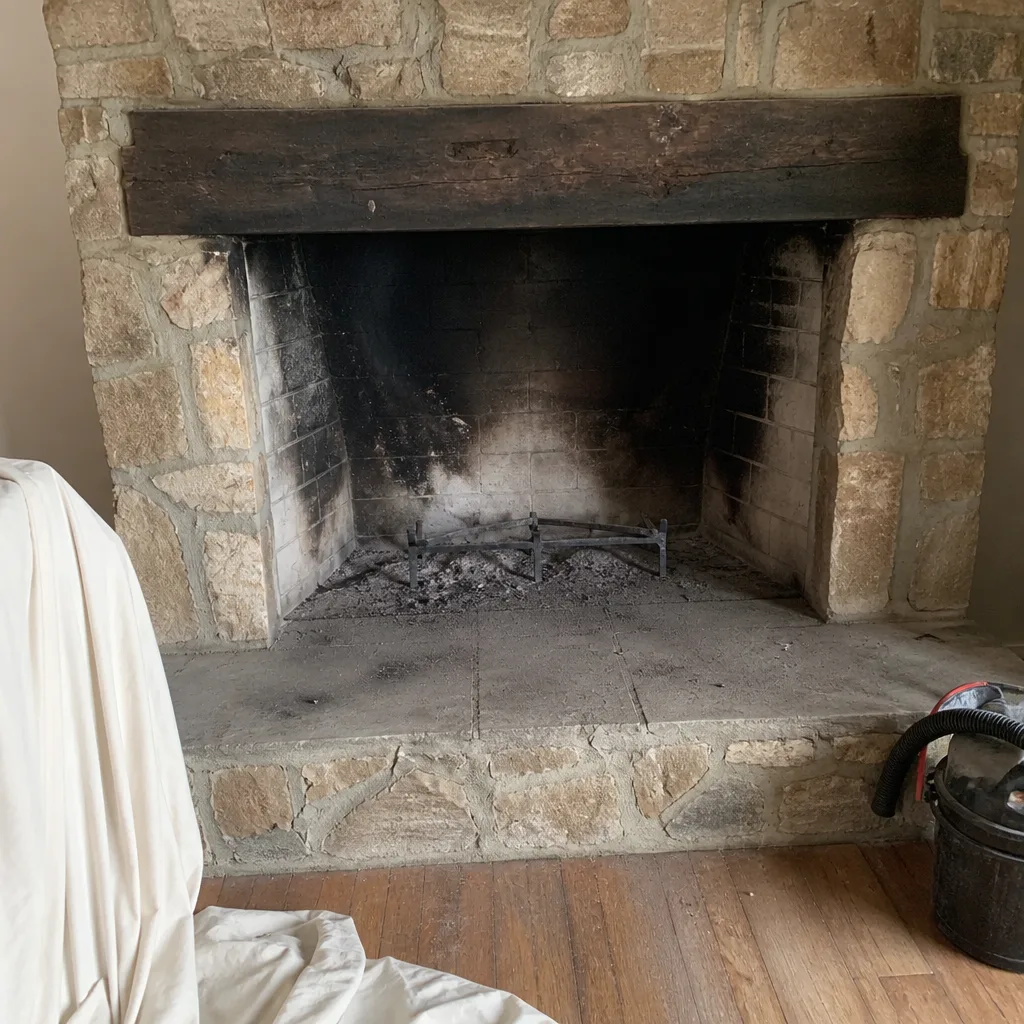 Before
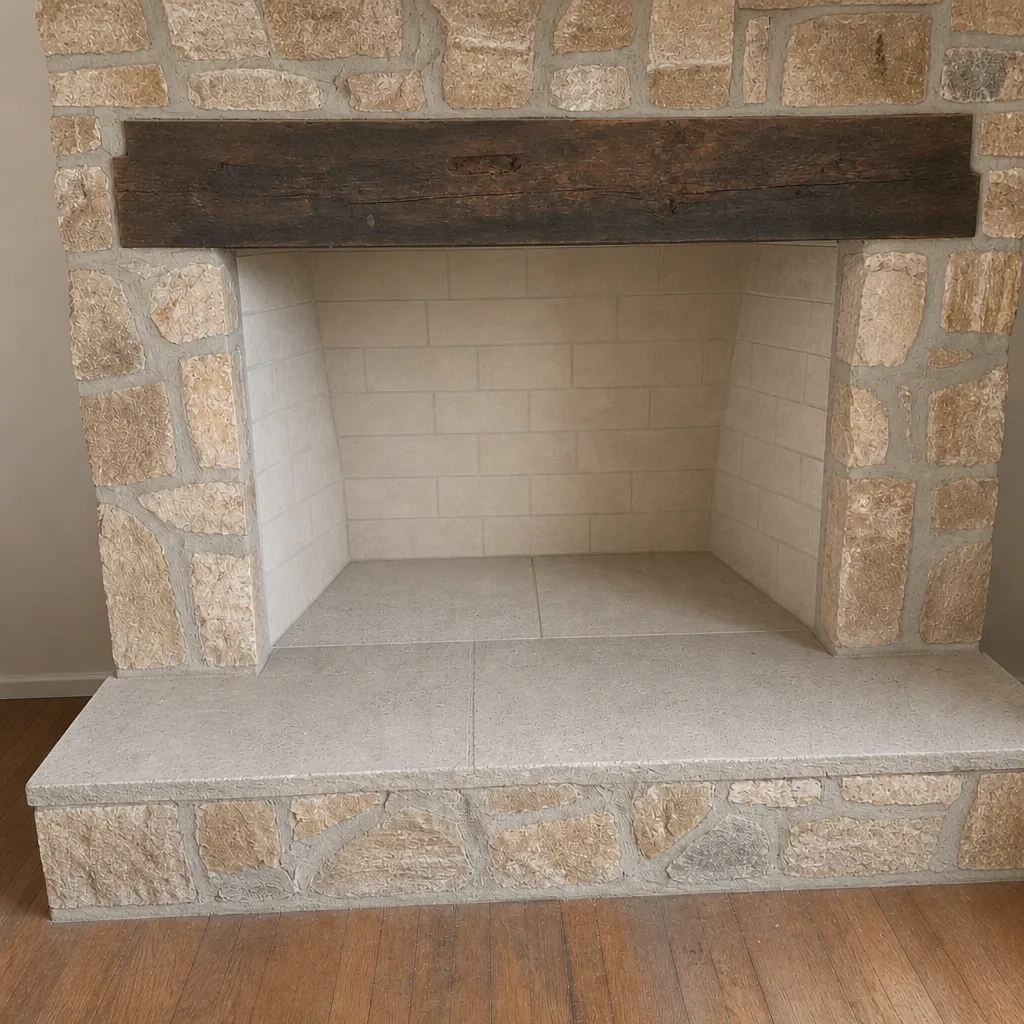 After
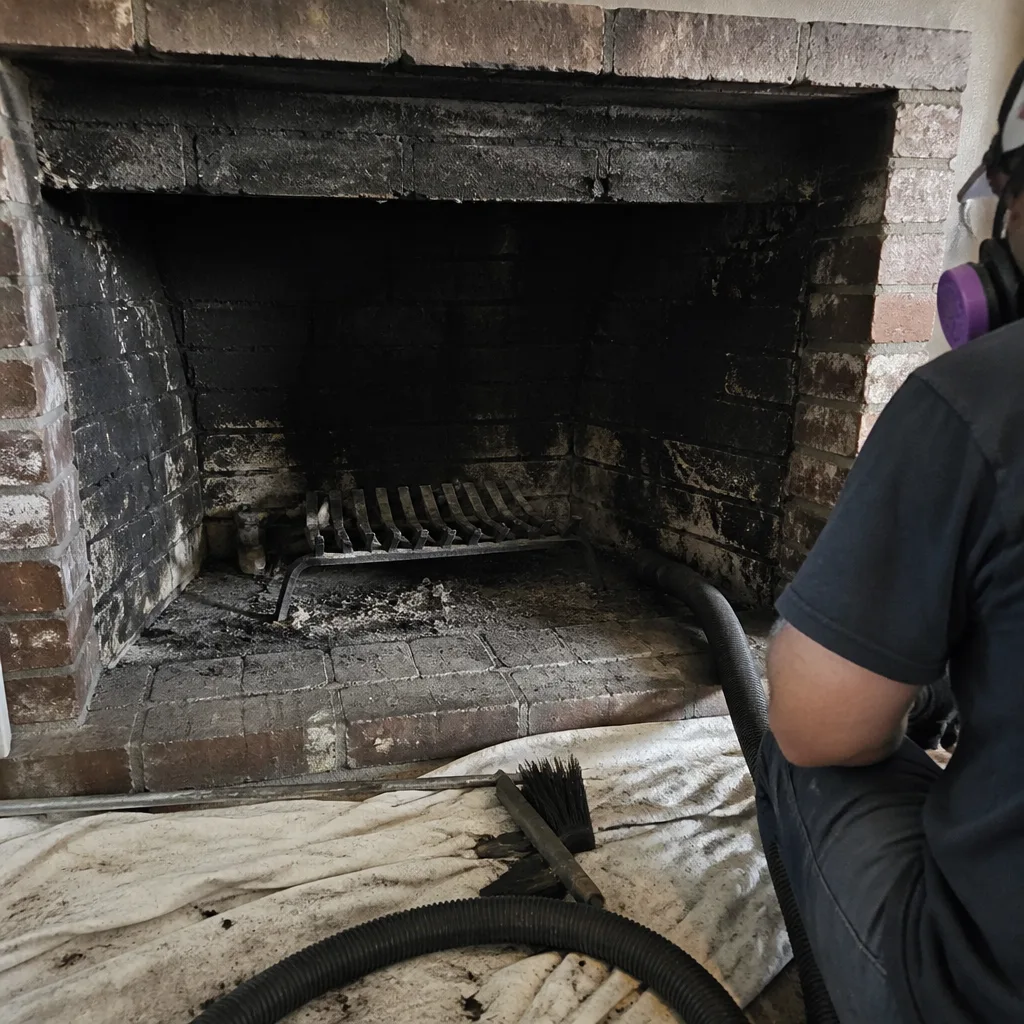 Before
 After
 Before
 After
When to Call a Professional
Call a professional when you can’t see what’s happening inside the flue, when you’re buying or selling a home in San Clemente and need a documented inspection, or when you’ve noticed one of the signals – a crumbling mortar joint, a crown pulling away, a smoky backdraft, or a fire that doesn’t draw the way it used to. Call when the last sweep was more than a year ago and the fireplace has been in regular use. Call before the cooler months arrive and the schedule tightens.
San Clemente Chimney Sweep offers free estimates in San Clemente. Call (833) 509-5558. We answer 24/7. Fast dispatch from 7am to 7pm, Sunday through Friday. Our technicians have up to 15 years of experience, and we work with the professional-grade brands the trade specifies: DuraFlex for liners, HeatShield for flue resurfacing, Gelco and CrownCoat for crown sealing, Olympia Chimney and Famco for caps and components, Copperfield for mortar and flashing. A specialist, not a generalist with a brush. A flat price agreed before the work, and the estimate is free.
Frequently Asked Questions
For liner systems, DuraFlex for full stainless relining and HeatShield for flue resurfacing. For crown and masonry sealing, Gelco and CrownCoat. For mortar, flashing, and caps, Copperfield, Olympia Chimney, and Famco. These are the professional-grade brands that trade specialists specify, and asking a contractor which ones they use is the fastest way to gauge trade depth. Call (833) 509-5558 if you want to talk through what a given repair would involve – estimates are free.
HeatShield restores a deteriorating clay flue by resurfacing the interior, which avoids the tear-out a full stainless reline requires. Not every flue is a candidate, and the only honest way to know is camera inspection. A specialist inspects, documents, and tells you which option fits. HeatShield is a specialist repair service and not every chimney company offers it. If a contractor hasn’t mentioned it as a possibility, ask why. Call (833) 509-5558 for a free estimate.
Yes, if the estimate names them. A specialist estimate cites the specific products in the scope: DuraFlex for the liner, Gelco or CrownCoat for the crown, Copperfield for the mortar, Olympia Chimney or Famco for the cap. A vague estimate that says “clean and seal” without naming products is the signal to ask follow-up questions before signing anything. Call (833) 509-5558 and we’ll walk you through what a proper scope should contain.
San Clemente’s climate combines warm inland-style days with regular humidity swings, and masonry mortar needs to move with the thermal cycling the chimney experiences. General masonry mortar isn’t formulated for that cycle on a chimney structure. Chimney-grade mortar – Copperfield is one brand that makes it – is the correct specification. If an estimate lists “standard mortar” without naming the product, that’s worth questioning. Call (833) 509-5558 to schedule a free estimate.
A sweep is mechanical: it physically removes the creosote from the flue walls. A chemical creosote treatment converts glazed creosote into a form that can be swept out on a follow-up visit. The two work together. Neither one replaces the other, and any contractor who treats the treatment as a substitute for the sweep is misrepresenting what the product does. Call (833) 509-5558 to book an inspection and find out what stage your flue’s creosote is at.
Yes. A thin metal cap designed for a prefab fireplace unit is the wrong product on a masonry chimney. Olympia Chimney and Famco produce caps specified for masonry installations, and the difference shows up in how the cap fits, seals, and holds up. A cap is a protection component, not a cosmetic add-on. If the cap brand isn’t on the estimate, ask. Call (833) 509-5558 for a free estimate on cap installation.
The Bottom Line
Chimney cleaning brands are the professional-grade product lines that trained technicians specify, and understanding them is the difference between a homeowner who can evaluate an estimate and one who can’t. Liner systems (DuraFlex, HeatShield), crown sealers (Gelco, CrownCoat), caps and components (Olympia Chimney, Famco), and chimney mortar (Copperfield) are the categories to know. Ask which product is being used, ask why, and ask to see the camera footage before any recommendation becomes a scope of work. Those three questions will protect you better than any review site. When you’re ready to move forward, call (833) 509-5558 for a free estimate from a specialist team, or visit San Clemente Chimney Sweep to book a visit. We answer 24/7, with fast dispatch from 7am to 7pm, Sunday through Friday. Nothing on your chimney should be recommended without camera evidence you can see for yourself, and work that can safely wait will be told to you plainly.
Written by the team at San Clemente Chimney Sweep.