
Last updated November 25, 2026
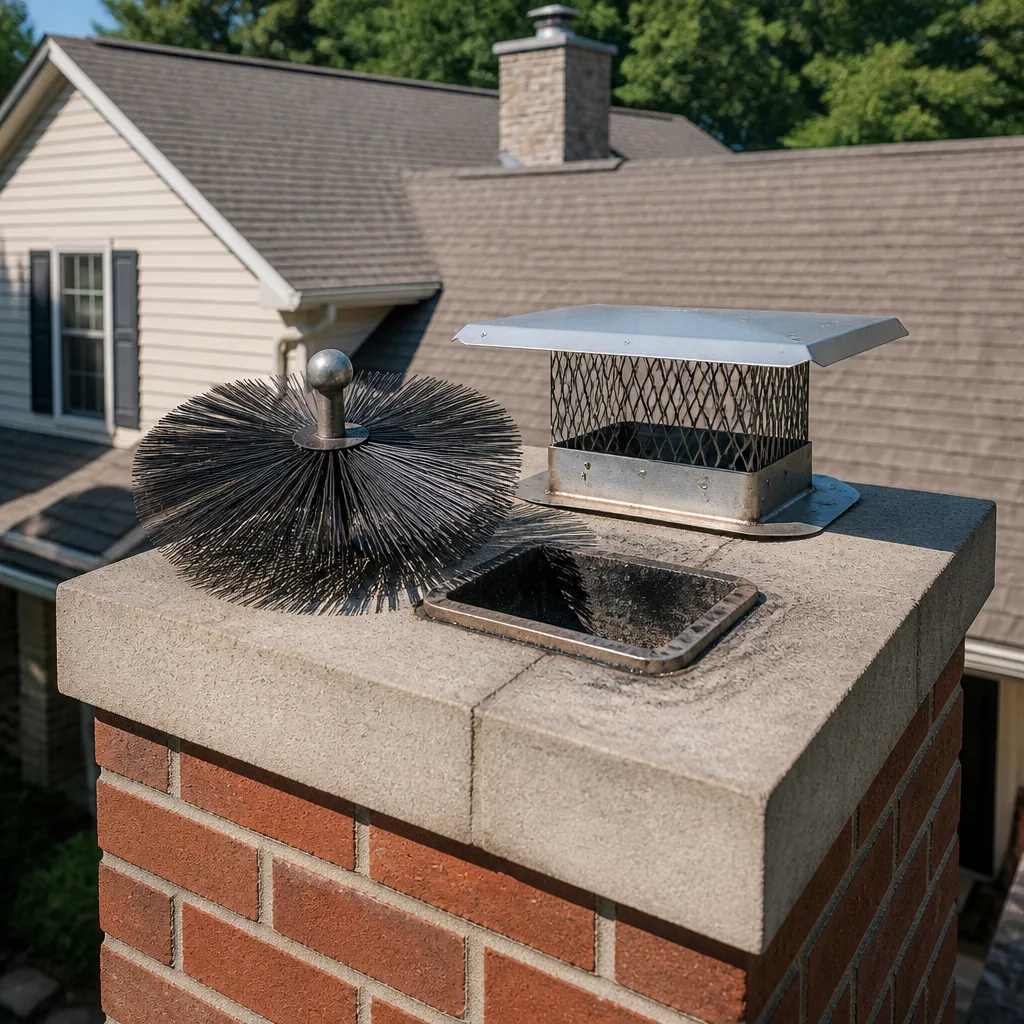 Sweep & inspection
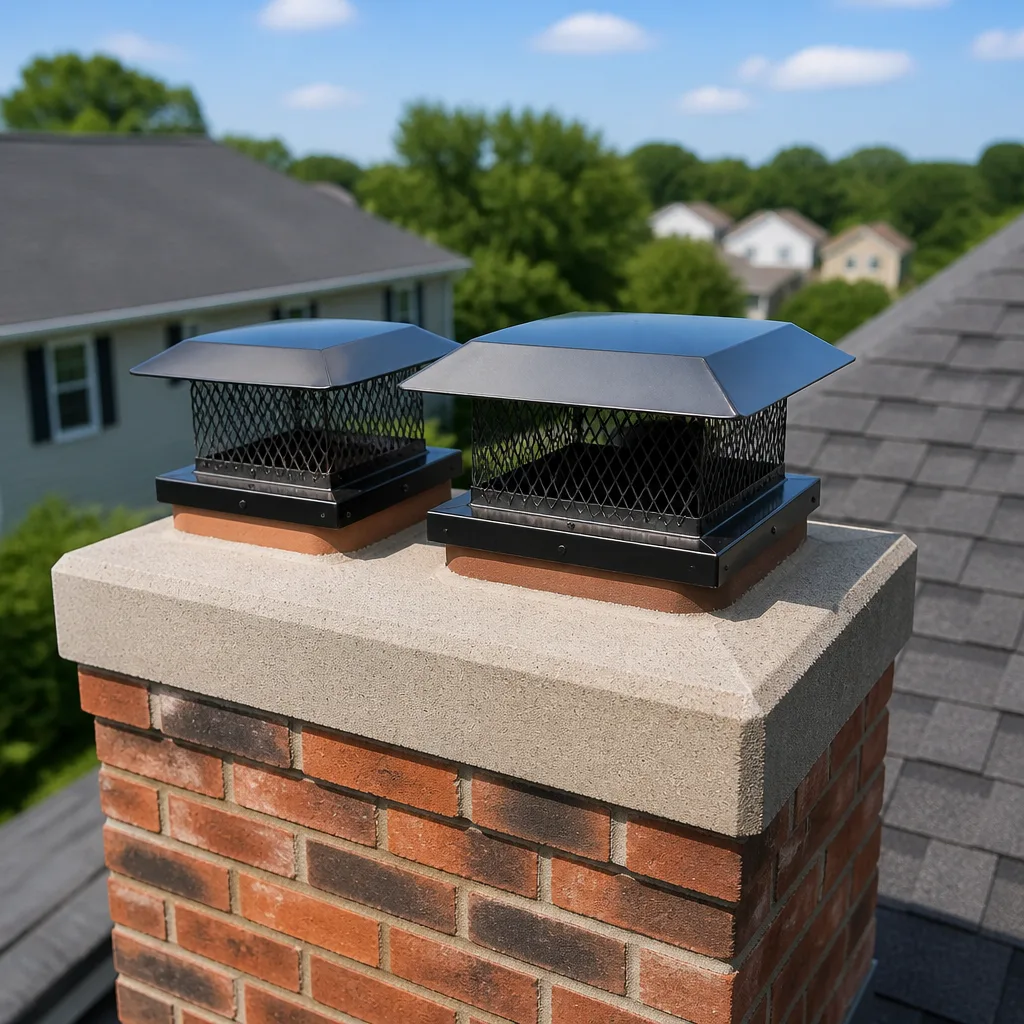 Caps & crowns
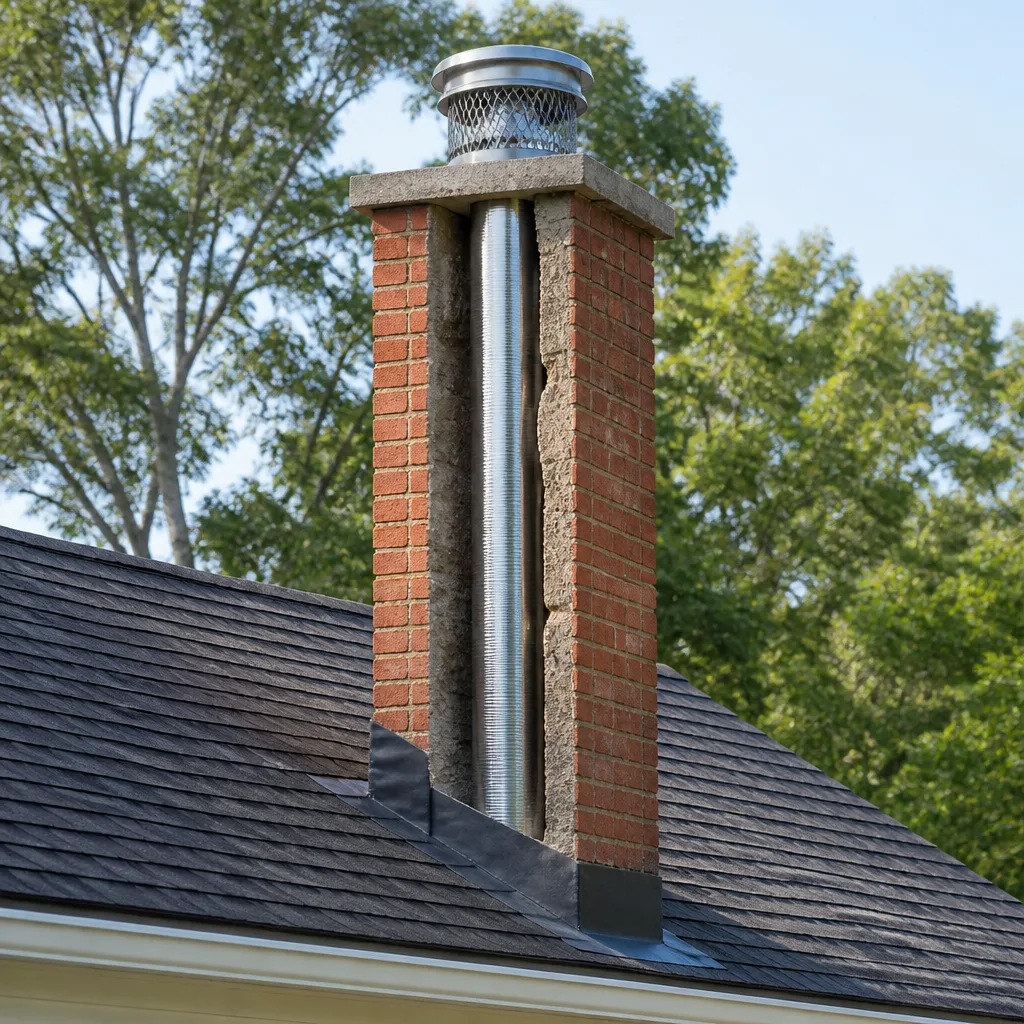 Flue relining
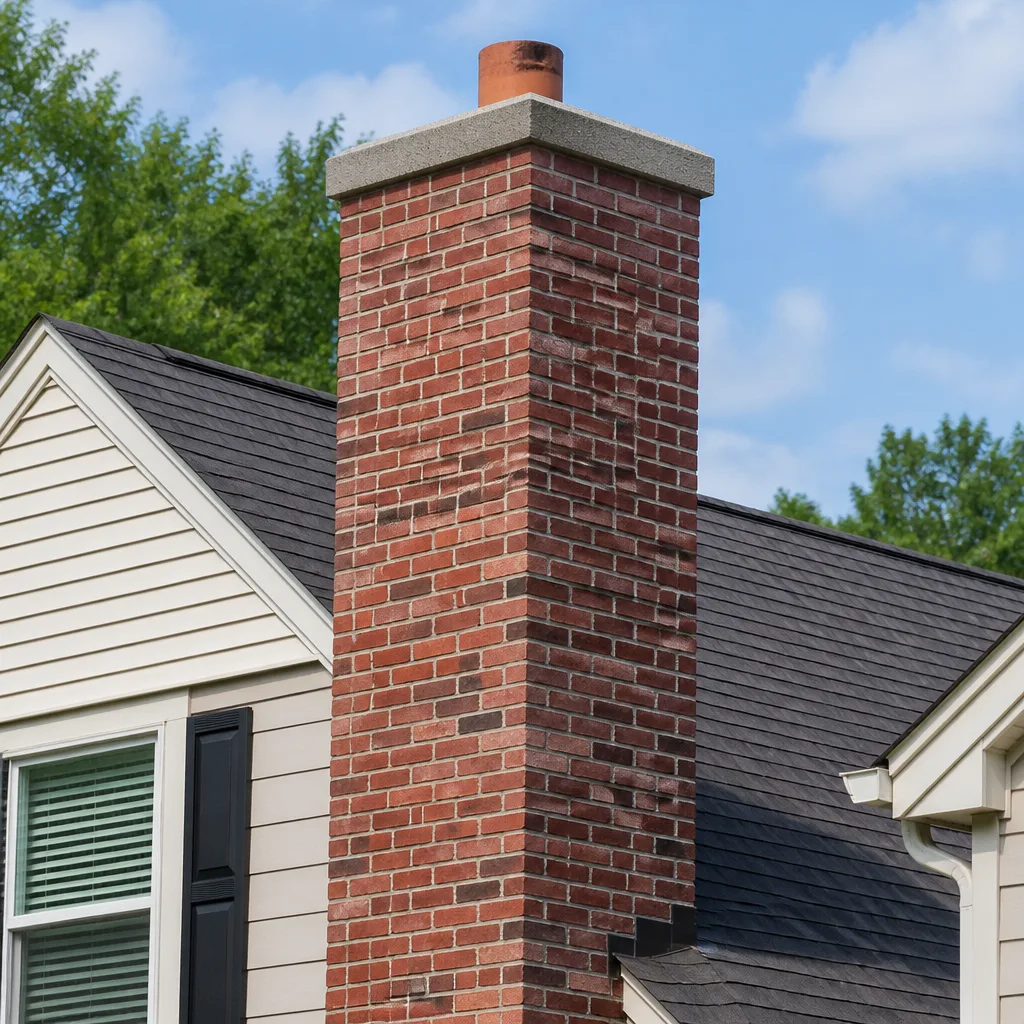 Masonry repair
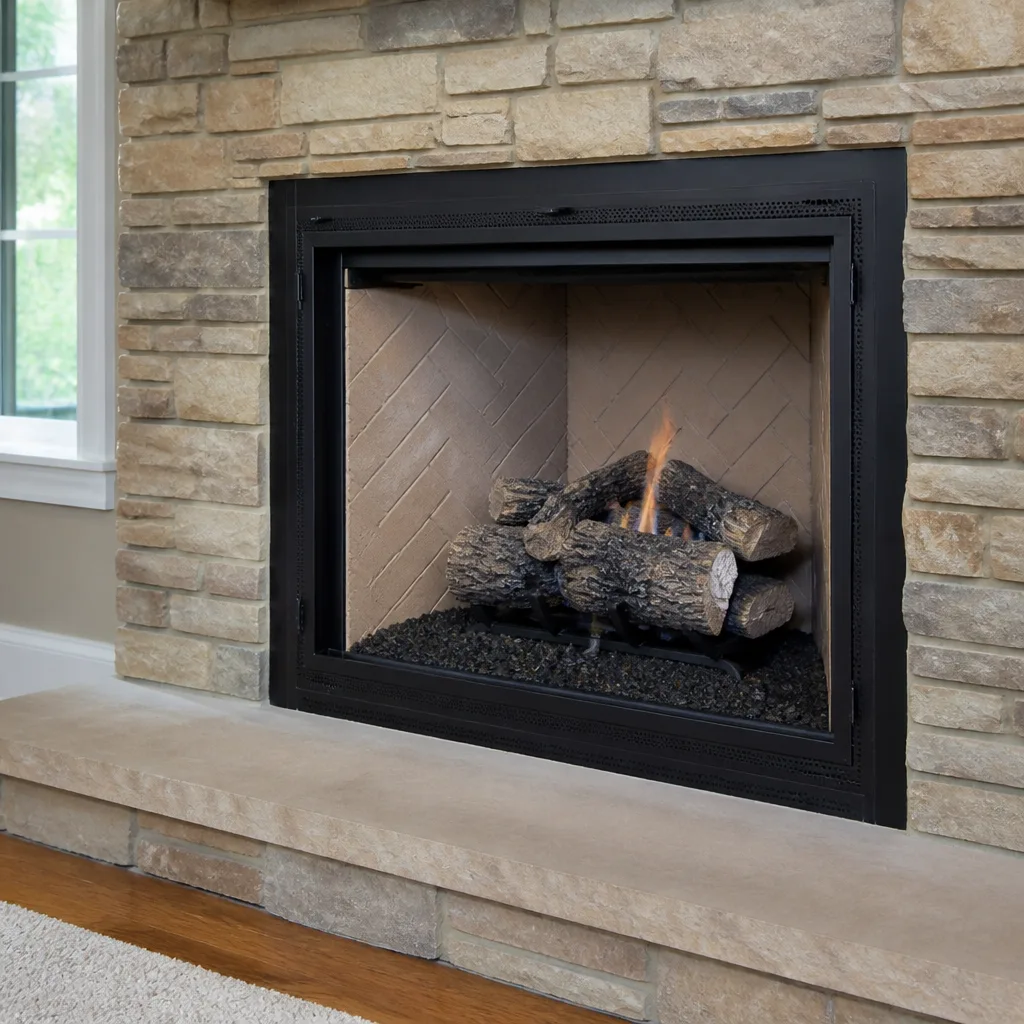 Gas fireplace service
Level 1 sweep and inspection to the NFPA 211 annual standard - flue, crown, cap, and flashing checked and photographed
Chimney sweep logs do not sweep chimneys. They loosen some creosote - which then falls where a brush and vacuum still have to collect it.
Seasonal Chimney Cleaning Care for San Clemente: Year-Round Homeowner’s Guide
The standard chimney advice you’ll find almost everywhere says to schedule a cleaning every fall. For a San Clemente homeowner, that advice arrives too late. October is peak Santa Ana season, which means a chimney that sat untouched since spring may already have debris intrusion, a displaced cap, or a crown crack before anyone picks up the phone to book a sweep. By the time the first offshore wind event rolls through, the damage window has already opened. This guide replaces the generic four-season template with a calendar that actually matches San Clemente: two real action points, four distinct risk windows, and specific maintenance steps for each. You’ll learn what to check, when to check it, and when a full sweep is genuinely necessary.
Quick Answer
San Clemente doesn’t have four traditional seasons, but it does have four distinct chimney-risk windows: a September pre-Santa Ana check, a winter active-burn period from December through February, a spring nesting season from March through May, and a long summer idle stretch where mild marine layer moisture works on whatever creosote was left behind. Year-round chimney care in San Clemente means building two action points into your calendar instead of one fall sweep: a cap-and-crown inspection before offshore wind season, and a proper cleaning before or right after the burn period.
Styles & brands we work with
- Sweep & inspection
- Caps & crowns
- Flue relining
- Masonry repair
- Gas fireplace service
Table of Contents
- Why the Standard “Fall Sweep” Advice Doesn’t Fit San Clemente
- The September Window: Cap and Crown Before Santa Ana Season
- Winter Burn Season (December – February): What to Monitor During Active Use
- Spring Nesting Season (March – May): The Birds That Move Into Uncapped Flues
- Summer Idle Risk: How Marine Layer Moisture Meets Leftover Creosote
- Building Your 12-Month San Clemente Chimney Calendar
- Signs Your Chimney Needs Attention Right Now
- Common Mistakes to Avoid
- When to Call a Professional
Why the Standard “Fall Sweep” Advice Doesn’t Fit San Clemente
Most chimney content online is written for a climate with a hard freeze and a long heating season. In that model, the annual fall sweep is timed to catch a full summer of dormant buildup right before the first fire. San Clemente runs on a different clock. Winters here are mild, so many fireplaces see lighter, more intermittent use than a homeowner in a cold-winter region would expect. That changes the maintenance math in two directions: less creosote builds per season than the national averages assume, but more time elapses between uses, which is exactly when other problems develop.
Long idle periods between fires are the real issue in San Clemente. A flue that stays cold and damp for months at a time behaves differently than one that’s heated daily. Marine layer moisture sits in an unused flue during summer, doing slow work on deposits that were never removed. Offshore wind events in fall push debris the wrong direction against a weak cap. Nesting birds find an open flue in spring. None of these problems show up on a “sweep every October” schedule.
In our experience, the San Clemente homeowners who run into trouble are not the ones who skipped a cleaning. They’re the ones who treated the chimney as a single annual errand and never looked at the exterior cap, the crown, or the flue between fires. Chimney care in San Clemente is closer to two coordinated checkpoints than one seasonal ritual.
- Less creosote per season than a cold-climate home, because burning is intermittent.
- More moisture exposure because the flue stays cold and unused for long stretches.
- More exterior wear from wind and sun than from freeze damage.
- More animal intrusion risk during the spring nesting window.
- Earlier wind-driven debris problems because Santa Ana season starts before most people think to book.
The takeaway: San Clemente chimney care is more about protecting the structure and keeping the flue clear between fires than about scraping a heavy seasonal creosote load. Our chimney sweep service is built around that reality, not around a national template.
The September Window: Cap and Crown Before Santa Ana Season
The single most useful thing a San Clemente homeowner can do before October is check the cap and crown. Santa Ana wind events push air offshore in powerful, sustained gusts. Any cap that’s loose, rusted through, or missing a spark arrestor screen becomes a debris funnel. A cracked crown lets wind-driven rain and grit into the flue structure before the burn season even begins. This pre-season check matters more than a cleaning booked the same month, because the cleaning doesn’t protect anything from wind. The cap and crown do.
A chimney cap does three jobs at once. It keeps rain out of the flue, it blocks animals from entering, and it keeps sparks and embers from landing on the roof. The crown is the concrete or stone surface at the top of the chimney that sheds water away from the masonry. Both sit at the windward top of the structure, which makes them the first parts to take wind damage.
- Look at the cap from the ground with binoculars. Is it sitting level? Is the screen intact? Rust streaks down the side of the cap or chimney are a sign it’s failing.
- Check the crown for cracks. Small hairline cracks are common and often repairable. Any crack you can fit a coin into, or any crown that’s pulling away from the flue tile, needs a professional look before the wind season.
- Look for debris on the roof near the chimney. Debris accumulation where it shouldn’t be is a sign wind has already been working on the top of the structure.
- Note any movement or rattle on windy days. A cap that moves in normal wind will not survive a strong Santa Ana event.
- Book the inspection in September, not October. That’s the practical window to get a repair done before the first big wind event of the year.
Our chimney repair service covers cap and crown installation as part of the full scope. We install components from brands like Gelco and Copperfield, which is the kind of hardware the trade specifies for wind-exposed chimneys. A specialist checks the cap and crown as a matter of course because it’s the part of the chimney that fails first and the part most easily overlooked.
Winter Burn Season (December – February): What to Monitor During Active Use
San Clemente winters are mild, but they’re real. Cold snaps between December and February drive the fireplace into daily use for a few weeks, then back to intermittent use. That on-and-off pattern is exactly what produces the two issues worth watching: overnight condensation in a flue that hasn’t fully warmed, and the creosote film that forms on the first few fires of a cold snap.
What to watch for during active use
- Draft that’s sluggish on the first fire of the day. A cold flue draws poorly until it warms. If the first fire of the day smokes back into the room repeatedly, that’s a sign of a flue problem, not just cold air.
- Creosote smell between fires. A strong, sharp, tarry smell in the room after a fire is a sign creosote has accumulated at a level that needs a sweep.
- Smoke that hangs instead of rising. If smoke lingers or rolls back into the room on a normal fire, the flue is restricted.
- Buildup visible inside the firebox. A dark, glossy film on the firebox walls above the damper is worth a professional look.
- Condensation on the glass doors or the first few inches of the flue. Mild, humid winter air plus a cold flue can produce moisture on the interior of a rarely used chimney. Persistent condensation needs to be checked, because it means the flue is staying wet between fires.
The other winter issue is the pattern of use itself. A fireplace that burns hard for two weeks and then sits for three can leave a creosote film in place through the coldest, dampest stretch of the year. That film absorbs moisture from the air over the following weeks. The right move is to plan one cleaning during or right after the burn season, so creosote doesn’t sit and cure into a harder, stickier deposit that’s harder to remove later. If you notice any of the warning signs above during active use, that’s the time to book, not next fall. Our fireplace repair service handles the interior side of that work, including the damper and firebox.
Spring Nesting Season (March – May): The Birds That Move Into Uncapped Flues
Spring is when an uncapped flue becomes a liability. San Clemente sits along a corridor that many cavity-nesting species use through the spring. Birds see an open, sheltered, dry chimney flue as prime real estate. The problem is not the nest itself; it’s what the nest does to the chimney and what happens when the homeowner lights a fire months later without knowing it’s there.
What birds actually do inside a chimney
- Nest material builds a blockage. Twigs, grass, and feathers pack into a flue and restrict draft. A partial blockage is enough to push smoke and carbon monoxide back into the room.
- Insects follow the nest. Mites and other insects associated with nesting material can migrate down the flue into the living space.
- Droppings and debris coat the flue interior. That coating is not just unpleasant; it can create an acidic environment that slowly degrades a masonry liner.
- Chimney swifts and other species return to the same site. Once a flue has been used for nesting, birds often return the following spring unless the cap is installed before the season begins.
The fix is straightforward: a proper cap with spark arrestor screen installed before March. If a nest has already been built, the flue needs to be cleared and inspected before any fire is lit. It’s a case where the right hardware from the start (a quality cap from a brand like Olympia Chimney, for example) removes the problem entirely, rather than cleaning up after it every spring. Never try to remove a nest yourself. The blockages can shift, and if there’s a buildup on the flue walls below the nest, the combination is a fire risk.
Summer Idle Risk: How Marine Layer Moisture Meets Leftover Creosote
Summer is the quietest time of year for San Clemente fireplaces, and that’s exactly why it matters. The off-season here runs roughly June through October, seven months during which most fireplaces don’t see a single fire. Meanwhile, the marine layer cycles through a daily rhythm of cool, damp morning air and warm afternoons, and that air finds its way into any chimney that isn’t fully sealed.
Creosote left in a flue from the previous burn season is the problem. It’s hygroscopic; it absorbs moisture. When damp marine air sits in an unswept flue for weeks, the creosote film softens, then re-cures into a harder, stickier glaze as the air dries. By the following winter, that deposit is far harder to remove than it would have been in February. In some cases, the moisture combined with creosote can begin to work on a clay liner’s joints and masonry, which turns a routine sweep into a liner repair.
- Schedule a sweep after the burn season, not the fall. Cleaning in March removes the creosote before the moisture cycle starts, not after.
- Confirm the cap is seated. A loose cap is an open doorway for damp air into the flue all summer.
- Leave the damper closed when the fireplace is idle. An open damper is a straight path for moist air and insects.
- Look at the flue tile in summer. If you can see the flue interior from the roof, check for visible staining at the joints; that’s a sign moisture has been getting in.
- Book the September check separately from the post-season sweep. They’re two different jobs on two different parts of the chimney.
The summer idle period is where the trade-level product knowledge makes the biggest difference. A deteriorating flue liner found in late summer doesn’t have to mean demolition. HeatShield flue resurfacing is one of the specialist repair options we offer, and it’s a service most chimney companies can’t do because they don’t carry the product or the application capability. It reseals and restores a deteriorating flue in place, without a full tear-out, when the flue is still structurally sound enough for it.
Building Your 12-Month San Clemente Chimney Calendar
Two action points handle the whole year in San Clemente. Everything else is a watch-and-note during the windows between them.
Action Point 1: Post-burn-season cleaning (February – March)
This is the sweep. When the burn season ends, the flue holds whatever creosote formed during the winter, and the moisture cycle is about to start. Cleaning at this point removes the deposit before it absorbs summer humidity. A chimney inspection at the same time confirms the flue is sound for another season.
- Book the sweep for late February or March, right after the last sustained burn period.
- Have the chimney professional verify the flue interior and the damper.
- Note any visible creosote glaze on the firebox walls; that’s the deposit the sweep is removing.
- Ask for the flue check to include the joints and the clay liner.
Action Point 2: Pre-Santa Ana cap-and-crown check (September)
This is not a sweep. It’s an inspection and tuning of the top of the chimney: cap, screen, crown, and the exterior flue tile. Any loose cap, cracked crown, or missing screen gets corrected before the first offshore wind event, not after.
- Book the September check for a couple of weeks before the usual first wind event window.
- Have the cap and crown looked at from the roof, not just the ground.
- Repair or replace any cap that’s failing, and reseal small crown cracks before they widen.
- Confirm the spark arrestor screen is intact.
- If a bird has been on the roof through spring, check the flue for nesting material.
The rest of the year: what to note between action points
- Winter: Note draft problems, smoke roll-back, and creosote odor; report them at the March sweep.
- Spring: Watch for birds near the chimney top and any new debris on the roof.
- Summer: Leave the damper closed, keep an eye on the cap after any wind event, and book your sweep for late winter.
- Fall: Watch for wind-driven debris near the chimney and confirm the cap is seated before the Santa Ana season.
Two appointments per year, on two different parts of the chimney, cover San Clemente’s calendar more accurately than the fall-sweep-only routine. For a broader overview of the whole service range, our San Clemente Chimney Sweep page lays out each core service.
Signs Your Chimney Needs Attention Right Now
These are the signs that shouldn’t wait for either action point. Each one points to a specific part of the system, not just a dirty flue.
- Smoke rolling back into the room on a normal fire. Points to a flue restriction or a draft problem, and it should be checked before another fire.
- A strong creosote smell in the room between fires. Points to a deposit heavy enough to need a sweep now.
- Visible debris, twigs, or feathers inside the firebox or at the damper. Points to a nest that must be removed and a flue that needs inspection before use.
- Rust streaks on the outside of the chimney or cap. Points to a failing cap or a water intrusion problem.
- Cracks in the exterior masonry or the crown. Points to a structural issue that wind and rain will widen.
- Water staining on the ceiling or the chimney breast inside the house. Points to a water intrusion path that needs a professional look before any fire is lit.
- Draft that’s dramatically weaker than last season. Points to a flue or cap change since the last check.
A chimney specialist reads these signs differently from a generalist with a brush. A smoke roll-back in a San Clemente home has one likely set of causes in a mild climate (restricted draft from debris or a failing cap) rather than the freeze-related causes you’d expect in a colder region. The diagnosis is narrower, and the fix is usually faster when it’s caught early.
Common Mistakes to Avoid
- Booking the only annual check for October. October is already Santa Ana season in San Clemente. A cap or crown problem found on October 5th is a repair racing the wind, and the repair slot may not open before the first big event. The pre-season check belongs in September.
- Cleaning in fall instead of late winter. A fall sweep leaves the flue empty for the winter, but it also leaves a full summer of moisture-treated creosote in place through the burn season. The post-burn cleaning is what removes the deposit before the moisture cycle begins.
- Ignoring the cap every spring. An uncapped San Clemente flue becomes a nesting site through March and April. The cap has to be in place before the season, not after a nest has already been built.
- Treating summer as a maintenance-free stretch. Seven months of marine layer air against leftover creosote is enough to turn a routine sweep into a liner repair. Leaving the damper open through summer makes it worse.
- Trying to remove a nest or debris yourself. Blockages can shift, and a partially blocked flue can push smoke and carbon monoxide back into the room. Leave nesting material and debris removal to a professional who can also inspect the flue below.
- Assuming a masonry crack is cosmetic. A small crack in the crown or the exterior masonry is the entry point for water, and water is what drives the interior damage. A five-minute repair in September can save a much larger repair by the following spring.
- Using a generalist for a specialist’s job. A generalist sweep may clean the flue and miss the structural signals (a glaze on the flue wall, a crack in the clay tile, a failing crown) that a chimney-only technician looks for as a matter of course. The check is only as good as the eye doing it.
When to Call a Professional
Call a chimney professional when any of the following is true: smoke rolls back into the room on an ordinary fire; you smell creosote between fires; there’s visible debris, twigs, or bird activity near the chimney top; the cap or crown is damaged or missing; there’s water staining inside the house; or the flue hasn’t been inspected since the last burn season. Spring and early fall are the two windows to schedule ahead, before Santa Ana season and after nesting begins.
San Clemente Chimney Sweep offers free estimates in San Clemente. Call (833) 509-5558. We answer 24/7. Fast dispatch from 7am to 7pm, Sunday through Friday. Our technicians have up to 15 years of experience, and we handle sweeping, inspection, repair, and cap and crown install as one specialist scope, with brands like Famco and Gelco where the hardware calls for it. We can work with your insurer where a repair is covered.
See the difference
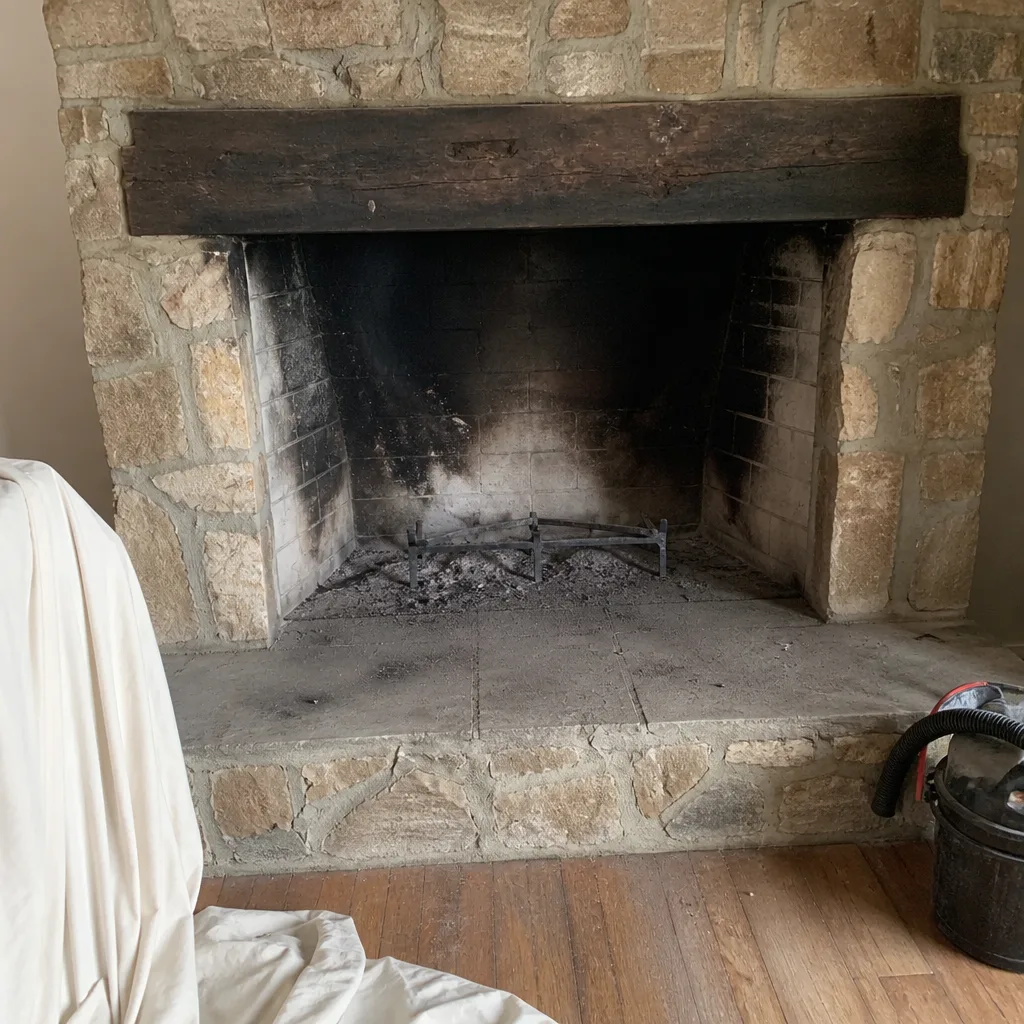 Before
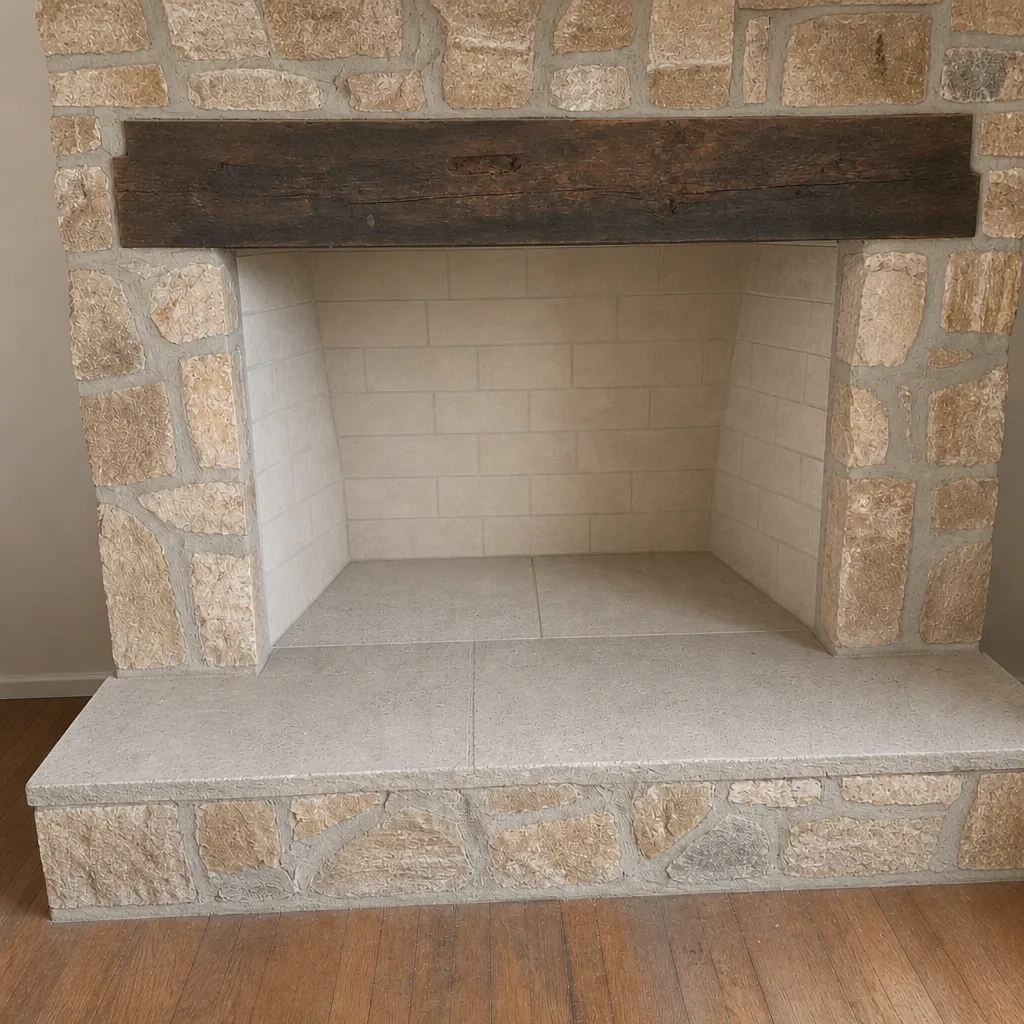 After
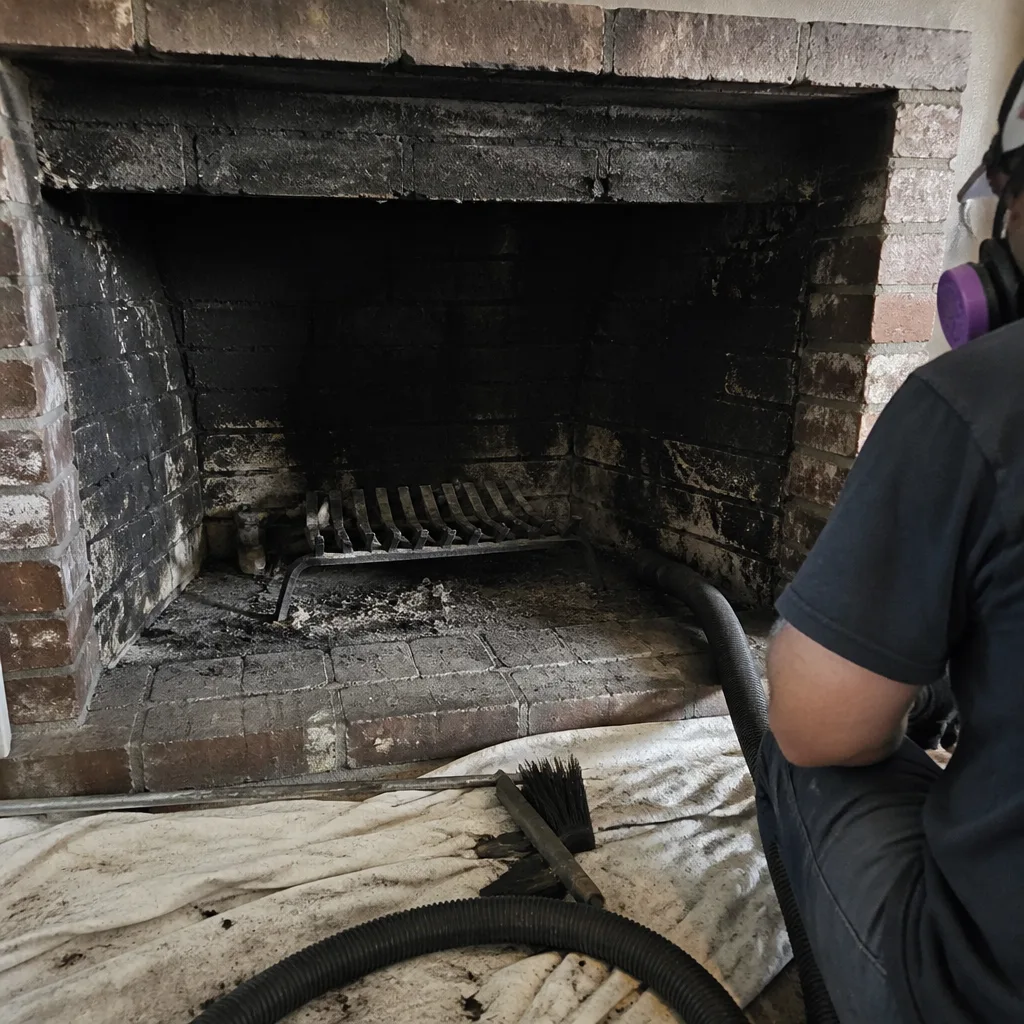 Before
 After
 Before
 After
Frequently Asked Questions
Most San Clemente fireplaces need a sweep once a year, timed for late winter rather than fall. The unusual local factor is the length of the off-season: seven months of marine layer humidity against leftover creosote is more wearing than a cold, dry off-season. If you burn frequently, a mid-season inspection between December and February is worth adding.
Yes. An uncapped flue in San Clemente becomes a nesting site through spring and takes damp summer air directly into the flue. Cap installation is one of the most effective protections available for a mild-climate chimney, and it’s a service we install directly, using trade-grade components from brands like Olympia Chimney. Call (833) 509-5558 for a free estimate.
No. October is already Santa Ana season in San Clemente. A cap or crown repair booked in October is racing the first strong wind event. September is the practical pre-season window. If you’re already into October, book an inspection now rather than trying to do the check yourself. Call (833) 509-5558. We answer 24/7. Fast dispatch from 7am to 7pm, Sunday through Friday.
Creosote deposits from the burn season stay in the flue through the entire summer. Marine layer moisture softens that film, and re-curing makes it harder and stickier than it started. A flue that would have been a routine sweep becomes a more involved cleaning, and in some cases the joint damage it causes turns into a liner repair. It’s a case where the cheapest maintenance step is the one that avoids the expensive one.
Yes. Nest material blocks draft and can push smoke and carbon monoxide back into the room. Insect activity follows the nesting material down the flue, and droppings can degrade the liner over time. Never remove a nest yourself. Call a professional to clear the flue, inspect it, and install a cap before the next nesting season. Call (833) 509-5558 for a free estimate.
Not necessarily. The firebox view only shows the bottom of the flue. A proper inspection checks the full flue run, the joints, and the crown. If the liner is deteriorating, HeatShield flue resurfacing can restore it in place without a full tear-out when the flue is structurally sound enough, which means you don’t have to assume the worst from a visual check alone.
A sweep removes deposits from the flue. An inspection assesses the condition of the flue, the crown, the cap, and the firebox. In San Clemente’s mild climate, they’re usually scheduled at different points in the year: the sweep after the burn season, the inspection before Santa Ana season. We offer chimney inspection as a standalone service, not just as an add-on to a sweep.
The Bottom Line
San Clemente chimney care runs on two action points, not one. Clean after the burn season in late winter to clear creosote before the marine layer moisture cycle begins. Inspect in September to make sure the cap and crown are ready for Santa Ana wind season. Between those two appointments, watch for smoke roll-back, creosote odor, bird activity, and any crack or rust at the top of the chimney. The local climate is mild, but the risks are real, and they show up on a different clock than the generic fall-sweep advice assumes. A chimney specialist who understands that clock is what turns the calendar into actual protection.
Call (833) 509-5558 for a free estimate. We answer 24/7. Fast dispatch from 7am to 7pm, Sunday through Friday.
Written by the team at San Clemente Chimney Sweep.