
Last updated November 25, 2026
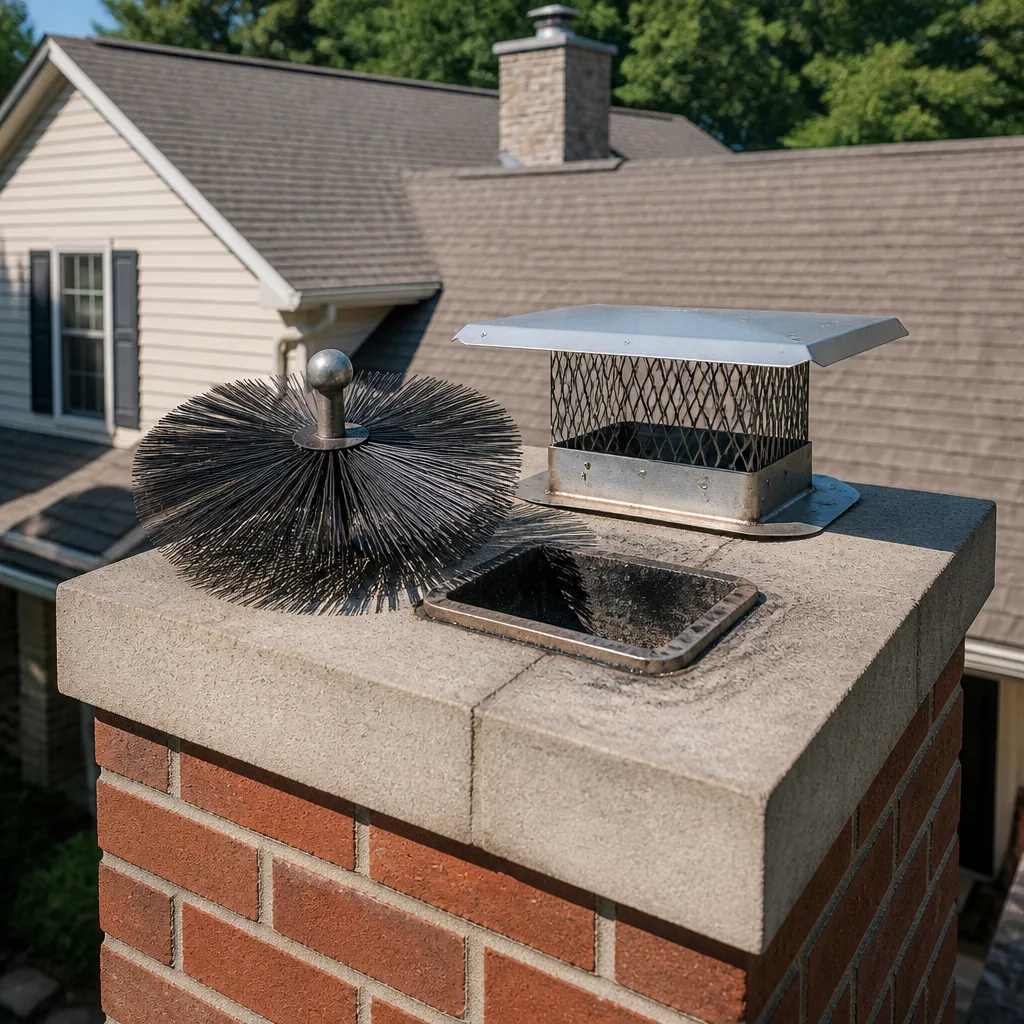 Sweep & inspection
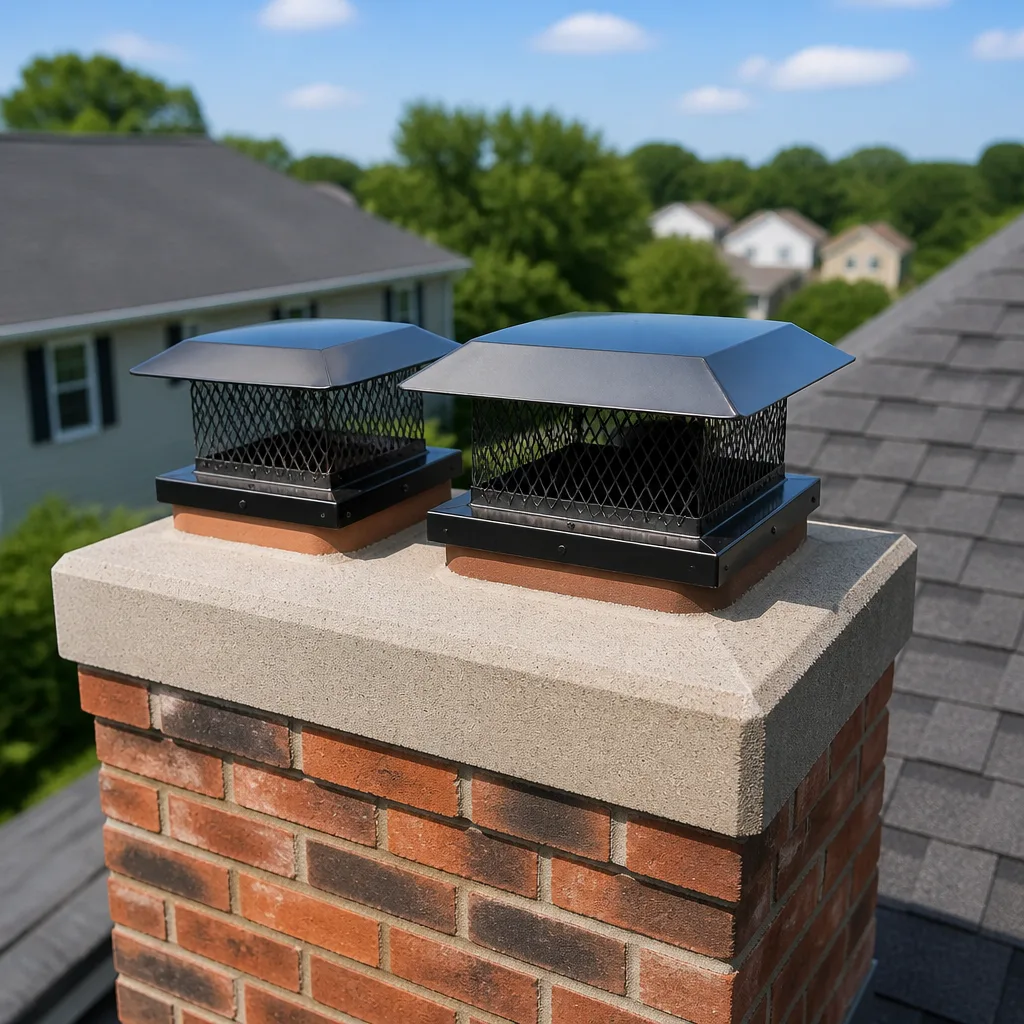 Caps & crowns
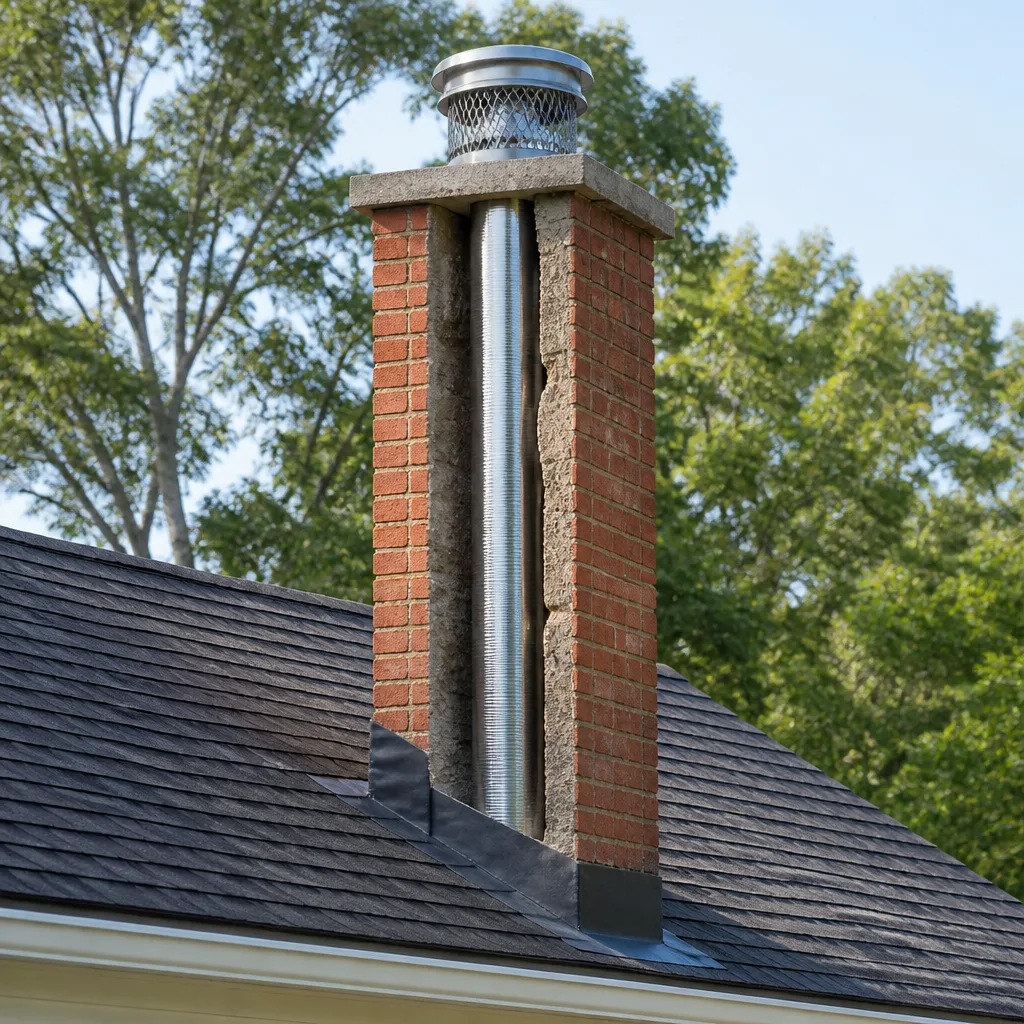 Flue relining
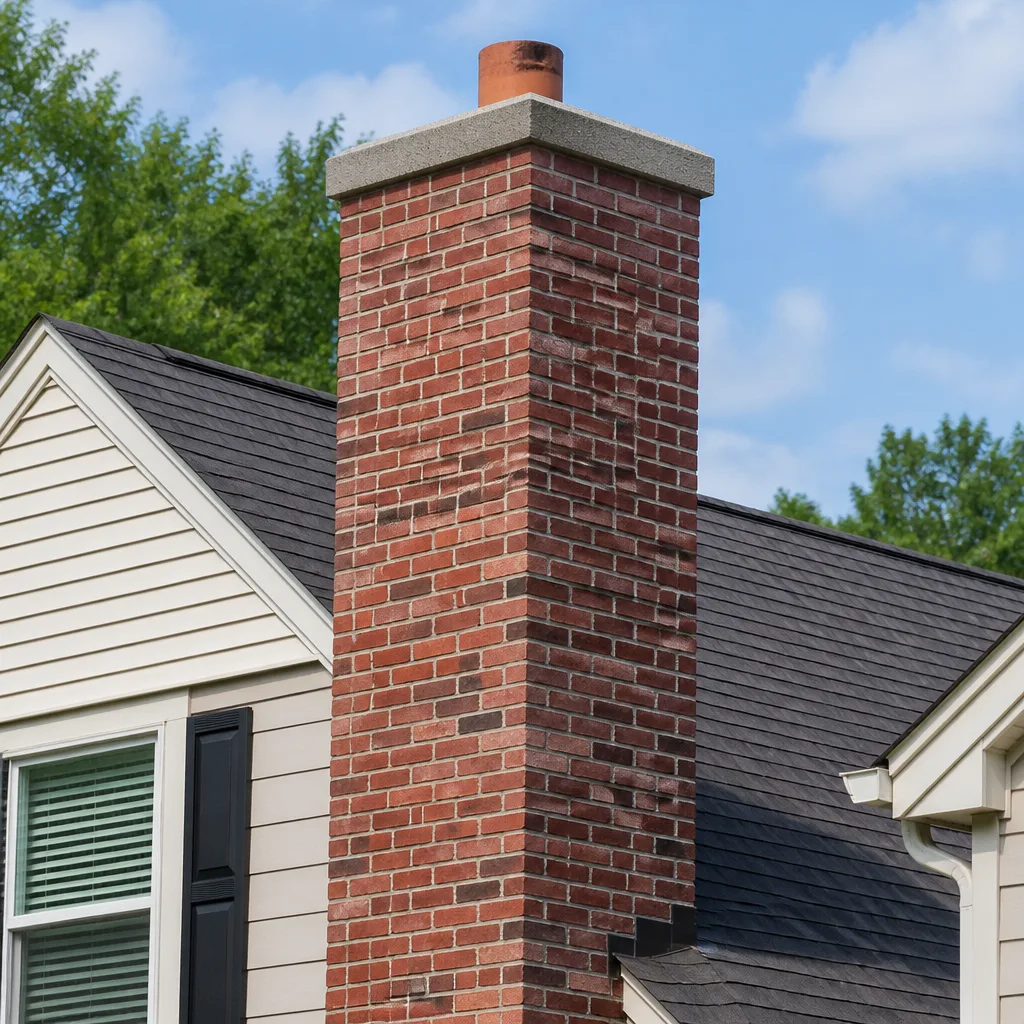 Masonry repair
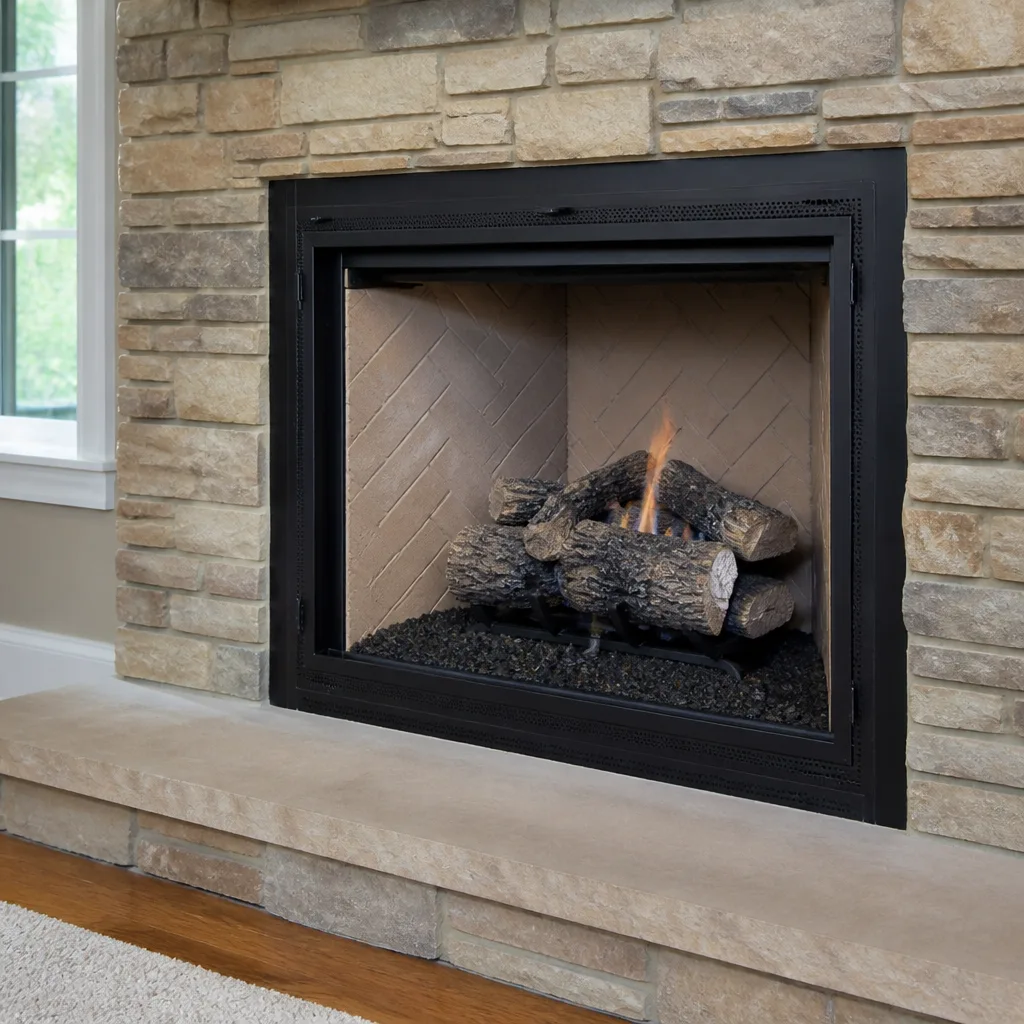 Gas fireplace service
Level 1 sweep and inspection to the NFPA 211 annual standard - flue, crown, cap, and flashing checked and photographed
Chimney sweep logs do not sweep chimneys. They loosen some creosote - which then falls where a brush and vacuum still have to collect it.
How to Hire a Chimney Cleaning Contractor in San Clemente: A Step-by-Step Guide
The cheapest chimney cleaning ad in San Clemente is usually not a chimney cleaning. It’s a visual sweep, priced as a loss-leader so someone can get a foot in your door and sell you something else. That’s the part most homeowners never hear. The real work of hiring well is learning to tell a dedicated chimney specialist from a generalist who happens to own a brush and a ladder.
This guide walks you through that distinction in concrete, testable steps. You’ll learn the five interview questions that separate specialists from generalists, what CSIA certification actually guarantees (and what it doesn’t), how to verify insurance that will actually pay if something goes wrong, and what a legitimate written estimate looks like in San Clemente.
Quick Answer
Hire a chimney cleaning contractor by confirming three things before you book: that they are a dedicated chimney specialist (not a handyman, HVAC company, or roofer adding chimneys to a menu), that their technicians hold current CSIA certification, and that their liability insurance specifically covers chimney work, not just general property damage. Then insist on a written estimate with a stated scope, access method, and liner assessment – a verbal quote with no paperwork is the single strongest warning sign you’ll encounter.
Styles & brands we work with
- Sweep & inspection
- Caps & crowns
- Flue relining
- Masonry repair
- Gas fireplace service
Table of Contents
- Why a Dedicated Chimney Specialist Beats a Generalist
- The Five Questions That Separate Specialists From Generalists
- What CSIA Certification Actually Means
- Verifying License and Insurance (General Liability Isn’t Enough)
- What a Legitimate Written Estimate Must Include
- San Clemente-Specific Red Flags
- Step-by-Step Hiring Process
- Questions to Ask Before You Book
Why a Dedicated Chimney Specialist Beats a Generalist
In San Clemente, “chimney cleaning” appears on the service menus of HVAC companies, handymen, roofing crews, and even some window-cleaning operations. That overlap exists for one reason: chimney cleaning is a low-cost service that gets a truck to a house where higher-margin work might be sold. It does not mean those outfits can diagnose what they find.
A dedicated chimney specialist spends every working hour on flues, fireboxes, dampers, caps, crowns, and the masonry around them. That focus changes the quality of the diagnosis. A generalist runs a brush up the flue and declares it clean. A specialist reads the flue the way a mechanic reads an engine – noticing the pitch of a flue tile, the way a flue transitions from one material to another, the telltale signs of a previous fire that someone painted over.
Most San Clemente homeowners we hear from learned this distinction after the fact. They hired the $79 cleaning, got a verbal “all clear,” and later discovered a cracked flue tile that had been there the whole time. That’s not a knock on the homeowner – it’s exactly what the pricing structure is designed to produce.
The specialist advantage shows up most clearly when the sweeping ends and the flue needs more than a brush. HeatShield resurfacing, for example, lets a chimney specialist restore a deteriorating flue liner without tearing out the chimney. Most generalist contractors can’t offer that – they refer it out or, worse, recommend a full rebuild because they don’t know the option exists. When you hire a dedicated specialist, you’re buying access to the full set of tools the trade has developed, not a subset of them.
The Five Questions That Separate Specialists From Generalists
Here are five questions to ask on the phone before you book anything. The answers – and the way they’re answered – tell you almost everything you need to know.
- “What does your cleaning include?” A specialist describes a cleaning that follows the industry cleaning standard, which covers the flue, firebox, smoke chamber, damper, and cap. A generalist usually says “we brush the flue.” If they can’t name the components they clean, they aren’t cleaning them all.
- “Do you inspect the flue liner during the cleaning?” A specialist will say yes and describe how – a camera, a mirror and light, or both depending on access. An evasive answer, or a promise to “check it after,” is a sign they don’t have the equipment or the training. The liner is where fires start, so this is non-negotiable.
- “Can you do a Level 2 inspection if we need one?” Level 2 inspections use a video camera and are required after any change to the chimney system – a new appliance, a liner replacement, a chimney fire, or a home sale. If the contractor doesn’t know what a Level 2 is, they aren’t certified to the level you likely need.
- “What happens if you find a problem during the sweep?” A specialist explains that findings will be documented with photos and put in writing before any work is recommended. A generalist says “we’ll take care of it” – which means you’ll be quoted for repair on the spot with no documentation to check.
- “Do you offer HeatShield or relining in-house, or do you refer it?” This is the question that trips up generalists. A dedicated specialist either performs the reline or resurface in-house or clearly states they refer the work to a sub. A specialist with HeatShield capability can restore a flue without demolition. A generalist often doesn’t know the option exists.
Write down the answers. If a contractor’s tone shifts from confident to defensive on question two or five, that’s your answer.
What CSIA Certification Actually Means
The Chimney Safety Institute of America (CSIA) certification is the trade’s baseline credential. It means the technician passed an exam, has signed the CSIA code of ethics, and renews the certification through continuing education. It’s a real credential – not a marketing label – and you can verify it on the CSIA website by looking up the company name.
What CSIA certification covers: knowledge of chimney and venting systems, inspection standards, cleaning practices, and the safety codes that govern residential fireplaces. It confirms the technician understands the difference between a cleaning and an inspection, and knows which inspection level applies to which situation.
What it doesn’t cover: it doesn’t guarantee the company carries insurance, doesn’t verify their workmanship on a specific job, and doesn’t mean they offer every service. A CSIA-certified sweep might not be set up to do HeatShield resurfacing or cap installation. Certification is a floor requirement, not a sole criterion – verify it, then keep asking questions.
In our experience, the certification matters most when it’s paired with a specialist-only business. A CSIA-certified technician at a chimney-only company is doing chimney work every day. A CSIA-certified technician at a general home-services company might do one chimney job a month. The credential is the same; the practice isn’t.
Verifying License and Insurance (General Liability Isn’t Enough)
Chimney work is physical, involves working at height, and can drop debris into a firebox or onto a roof. If something goes wrong, you want the contractor’s insurance to actually respond. Here’s what to verify:
- State contractor license: Confirm the license is active with the California Contractors State License Board. For structural chimney repair, the license class matters – masonry or general building. Sweeping alone is a service, not a construction activity, but if the contractor is willing to recommend and perform repairs, they need the license for that work.
- General liability insurance: Ask for a certificate of insurance and call the carrier to confirm it’s current. General liability covers property damage, which is what you need if dropped debris cracks a firebox tile or a ladder damages a gutter.
- Workers’ compensation: If the technician is injured on your property, workers’ comp is what keeps you out of the claim. Ask to see the certificate.
- Chimney-specific coverage: This is the piece most homeowners miss. General liability alone often excludes the damage that matters most – fire escalation that starts inside the flue. Ask whether their policy covers chimney fire damage and dropped flue debris specifically. A contractor who can’t answer that in plain language is a risk.
The certificate of insurance is free to request and takes the contractor five minutes to send. Any resistance to providing it is a red flag you should take seriously in San Clemente, where the market is large enough that reputable specialists don’t hesitate.
What a Legitimate Written Estimate Must Include
A verbal quote is worth what you paid for it. A written estimate should arrive before any work begins and include the following, at minimum:
- Scope of work: exactly what will be cleaned or repaired, component by component. “Full sweep” is not a scope; “flue, firebox, smoke chamber, damper, and cap” is.
- Access method: how the technician will reach the flue – roof, interior, or both. This matters because the access method determines what can be seen and what can’t.
- Liner assessment: whether a liner inspection is included, and by what method. If a camera inspection is not included, the estimate should say so and state the price to add it.
- Written findings: the report that comes back to you after the work, with photos of anything flagged. Insist on this. You should be able to see what the technician saw.
- Pricing: quoted as a total for the described scope, with any add-ons listed separately. A legitimate estimate is an estimate, but it should still be specific about what you’re buying.
- Company identification: the legal business name, phone number, and contact, matching the license and insurance you verified.
If a contractor can’t produce a written estimate, they can’t be checked against their own work later. That’s the whole point.
San Clemente-Specific Red Flags
Some of the warning signs in this market are specific to how San Clemente regulates and prices chimney work. Watch for these:
- A “no permit required” claim used to dodge accountability. Cleaning a chimney typically doesn’t require a permit, and some contractors use that fact to suggest they’re exempt from licensing or insurance requirements for the cleaning itself. The permit exemption covers the cleaning, not the company’s obligation to be licensed and insured for the work they perform.
- A pitch for repair on the first visit with no documentation. A legitimate specialist will document findings with photos and give you time to review them. High-pressure “we need to reline this today” sales on the initial sweep is a pattern to walk away from.
- Low introductory pricing on a menu that includes unrelated trades. If the same company lists “chimney cleaning” alongside window washing, pressure washing, and handyman services, the chimney cleaning is a lead generator. It may be fine, but it’s not a specialist job.
- No local phone number or a call center out of state. San Clemente is a real market with real infrastructure. A contractor who can’t describe the local building stock and the way flues tend to perform here in our mild, dry climate is a contractor who doesn’t work here.
- A refusal to provide a certificate of insurance. This is the single biggest red flag in any market, but it’s especially telling in San Clemente, where the density of competing contractors means reputable operators send paperwork without hesitation.
Step-by-Step Hiring Process
Here’s the process we recommend to San Clemente homeowners, in order:
- Narrow the list to dedicated specialists. Search for chimney-only companies first. Read the service menu, not just the homepage headline. If the company lists five unrelated trades alongside chimney work, deprioritize it.
- Verify CSIA certification. Look up the company on the CSIA website. Confirm the certification is current, not lapsed.
- Confirm the contractor will do a Level 1 or Level 2 inspection. Ask which level applies to your situation – a routine annual cleaning usually needs a Level 1, while any recent change (a new appliance, a chimney fire, a home sale) calls for a Level 2 with a camera.
- Request the certificate of insurance. Confirm general liability, workers’ comp, and chimney-specific coverage. Call the carrier if the certificate looks off.
- Request a written estimate. Compare it against the criteria in the “Written Estimate” section. If you can’t tell what’s being cleaned or how, ask again.
- Book a chimney sweep. A proper chimney sweep includes the cleaning and the findings report. Confirm both before booking.
- Review the report with the technician. Ask them to walk through the photos. This is when you decide whether any recommended fireplace repair or chimney repair actually needs to happen now or can wait.
The full sequence takes maybe thirty minutes of phone work. That half hour is what separates a confident hiring decision from a guess.
Questions to Ask Before You Book
Beyond the five interview questions above, these are worth having in your back pocket:
- “Who will actually be in my home?” Ask whether the technician who arrives is the same person who holds the certification, or whether certification is company-level with subcontracted labor.
- “What does your cleaning specifically remove?” A good answer covers soot, creosote, and debris from the flue, firebox, and smoke chamber – and a bad answer is “whatever’s in there.”
- “Do you do cap and crown installation?” A dedicated specialist can close the loop on chimney protection after cleaning. If they can’t install a cap, they can’t protect what they cleaned.
- “What happens if you find a problem?” Listen for the phrase “we’ll document it and send you a report” rather than “we’ll fix it now.”
- “What’s included in the free estimate?” You want the scope, access, liner assessment, and written findings, as noted above.
None of these questions is a trick. They’re the questions a knowledgeable homeowner asks, and a good specialist will recognize them.
Common Mistakes to Avoid
- Booking the cheapest advertised sweep. The lowest price in the market is almost always a visual sweep used to lead into a repair sale. A code-compliant cleaning takes time and equipment, and both cost money.
- Skipping the CSIA check. It takes ninety seconds on the CSIA website and it filters out a surprising number of contractors. Skip it and you’re guessing.
- Accepting a verbal quote. A verbal quote can’t be compared against actual work. Insist on the written estimate, every time.
- Confusing general liability with chimney-specific coverage. General liability won’t necessarily respond to fire escalation inside the flue. Ask the specific question.
- Hiring a generalist for a job that requires a specialist. In San Clemente, where HVAC and handyman companies list chimney cleaning as a side service, the temptation to save a few dollars is real. The cost of a missed diagnosis is higher than the cost of the sweep.
- Not reviewing the findings report. The report is where the value lives. If you don’t read it, you’re back to guessing about the condition of the flue.
- Treating the initial sweep as a one-time event. Chimney maintenance is a cycle – clean, inspect, document, address findings, repeat. A contractor who treats it as a one-off isn’t serving the homeowner well.
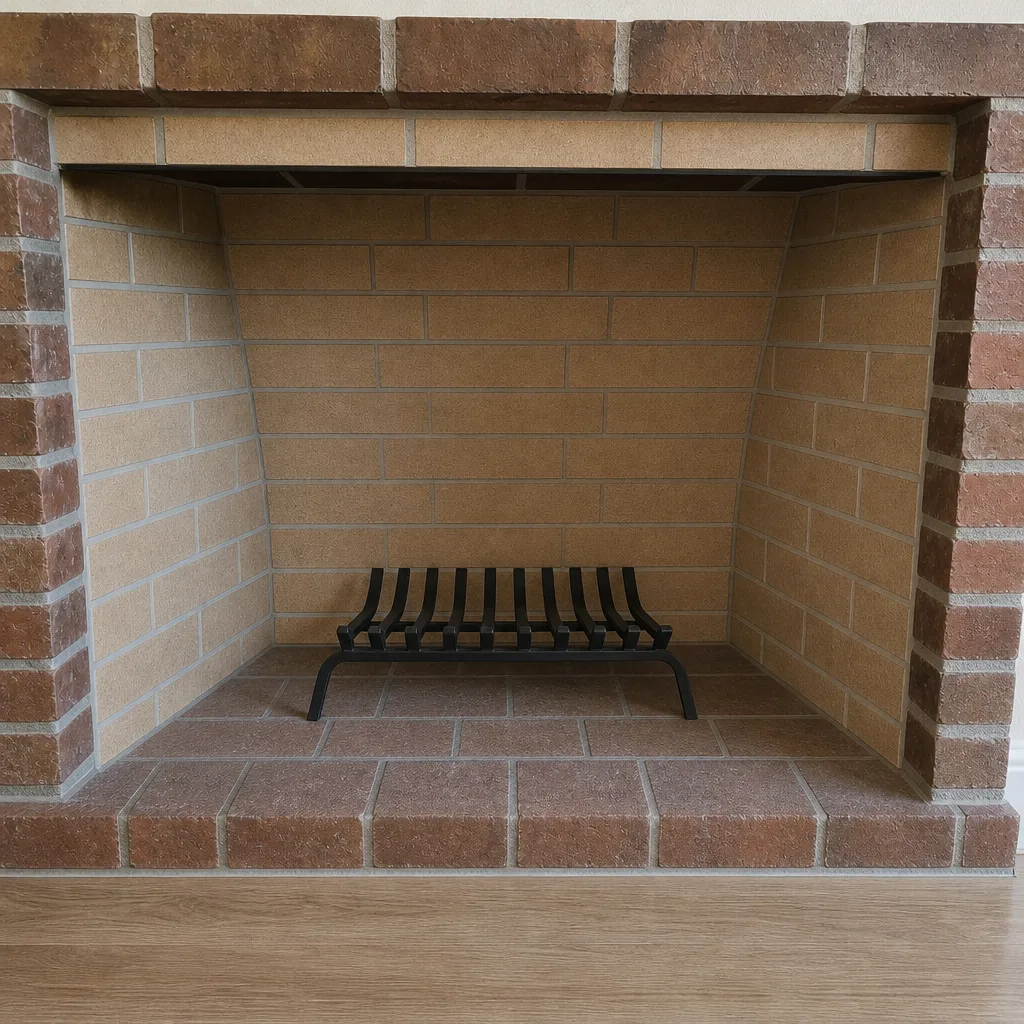
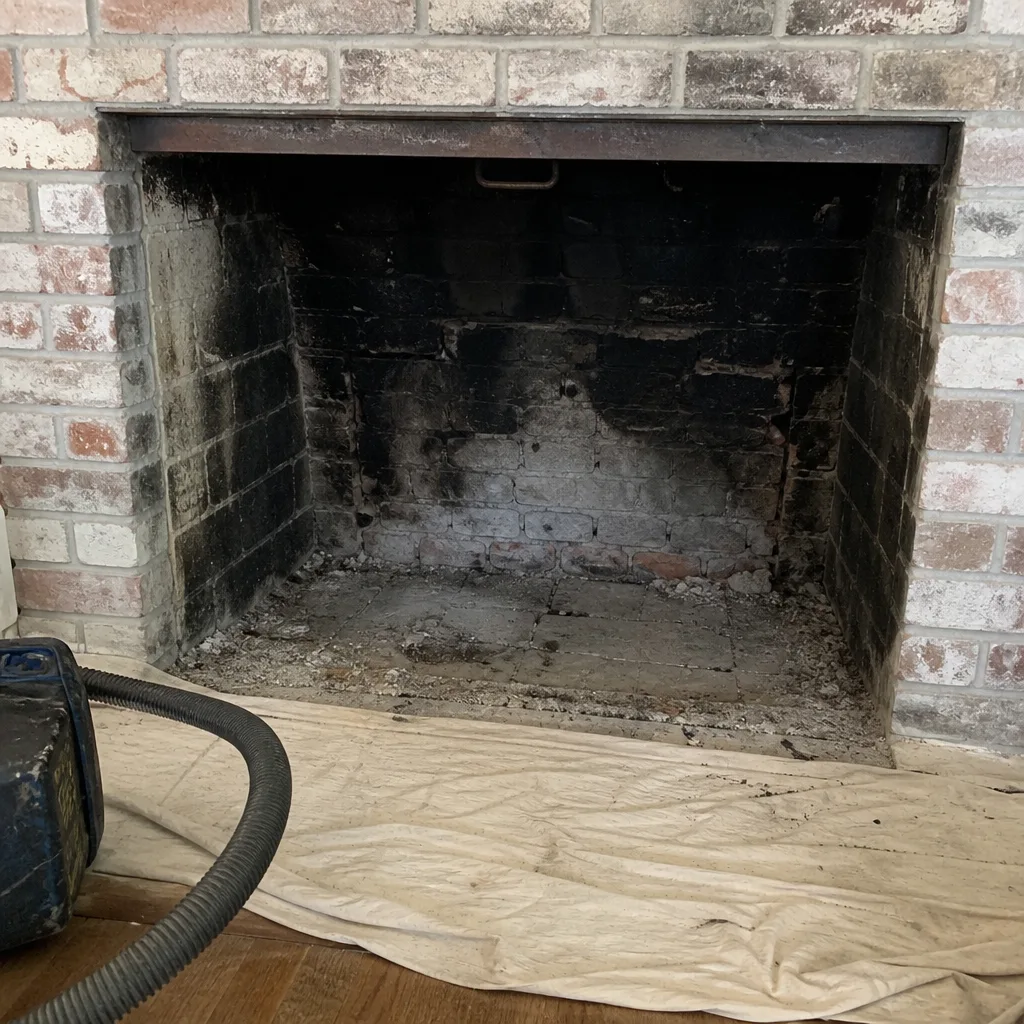
See the difference
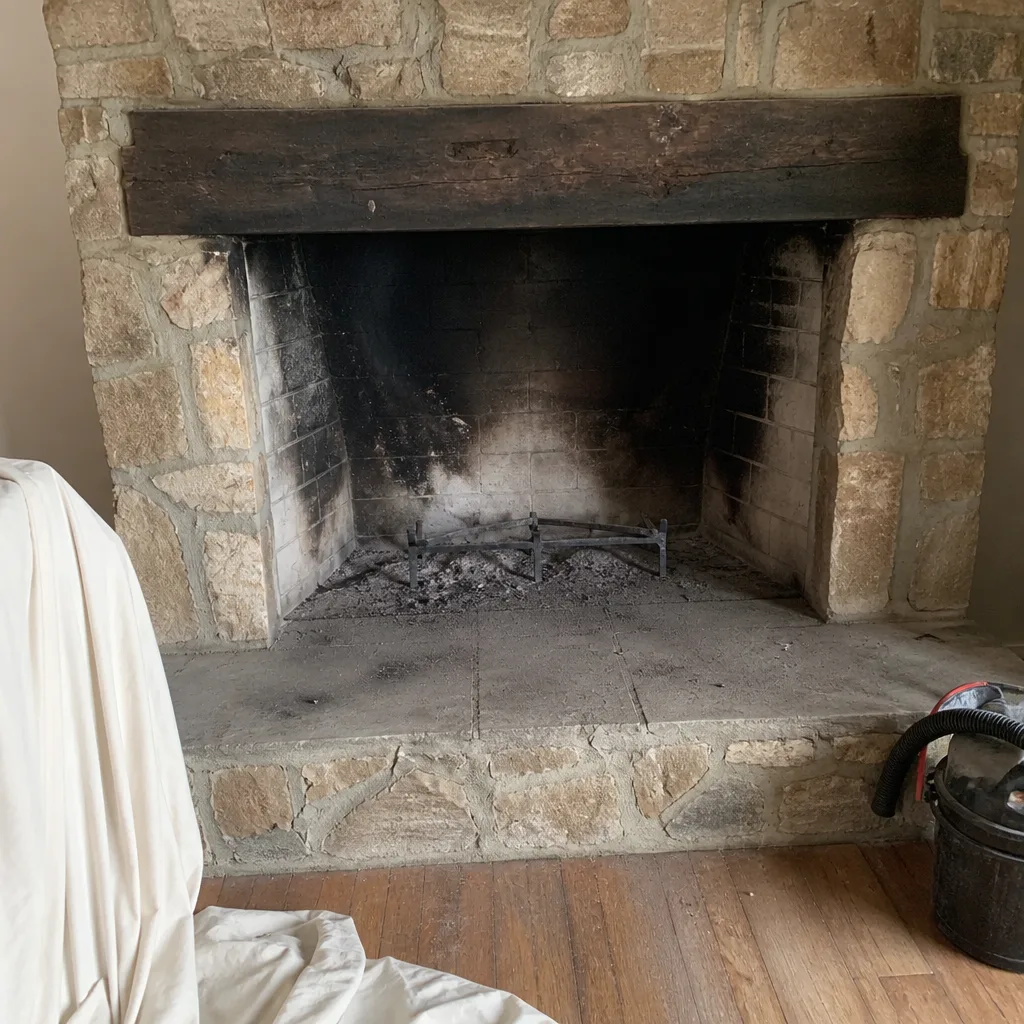 Before
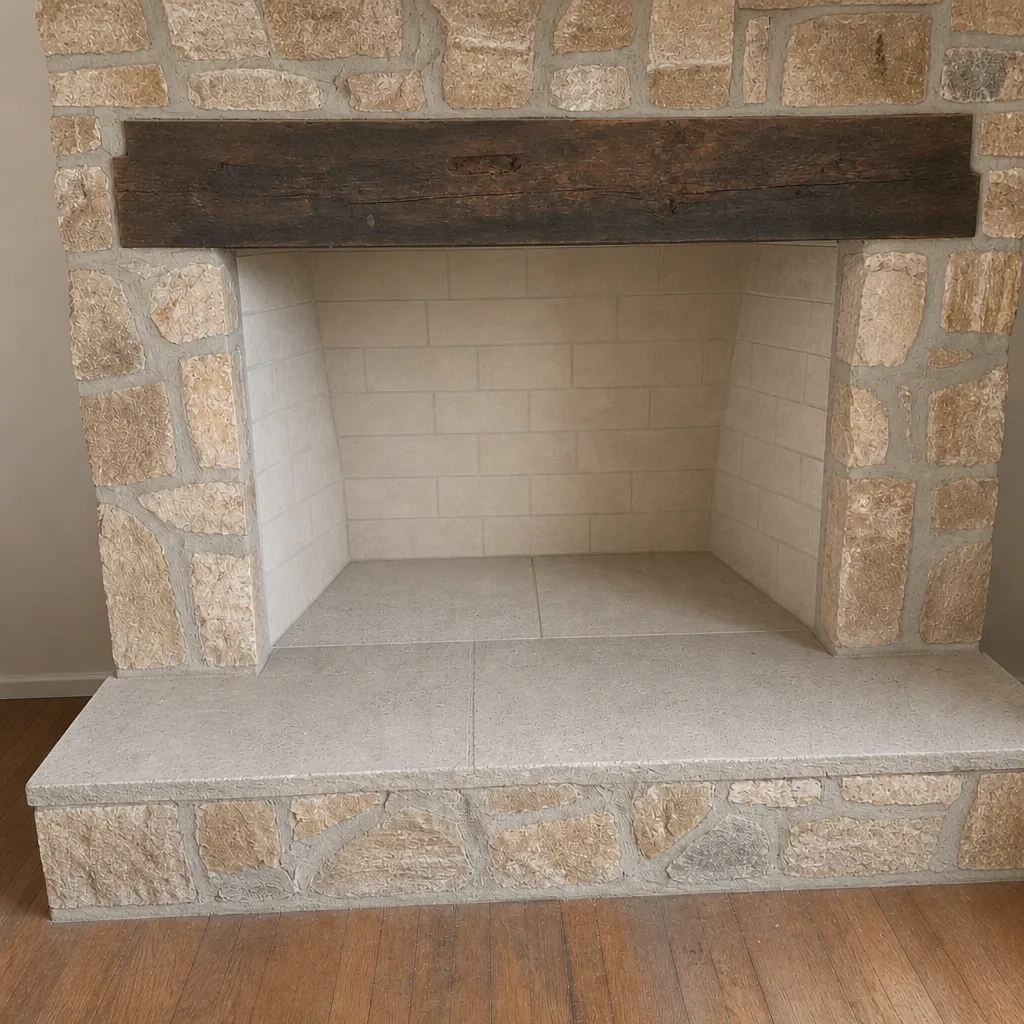 After
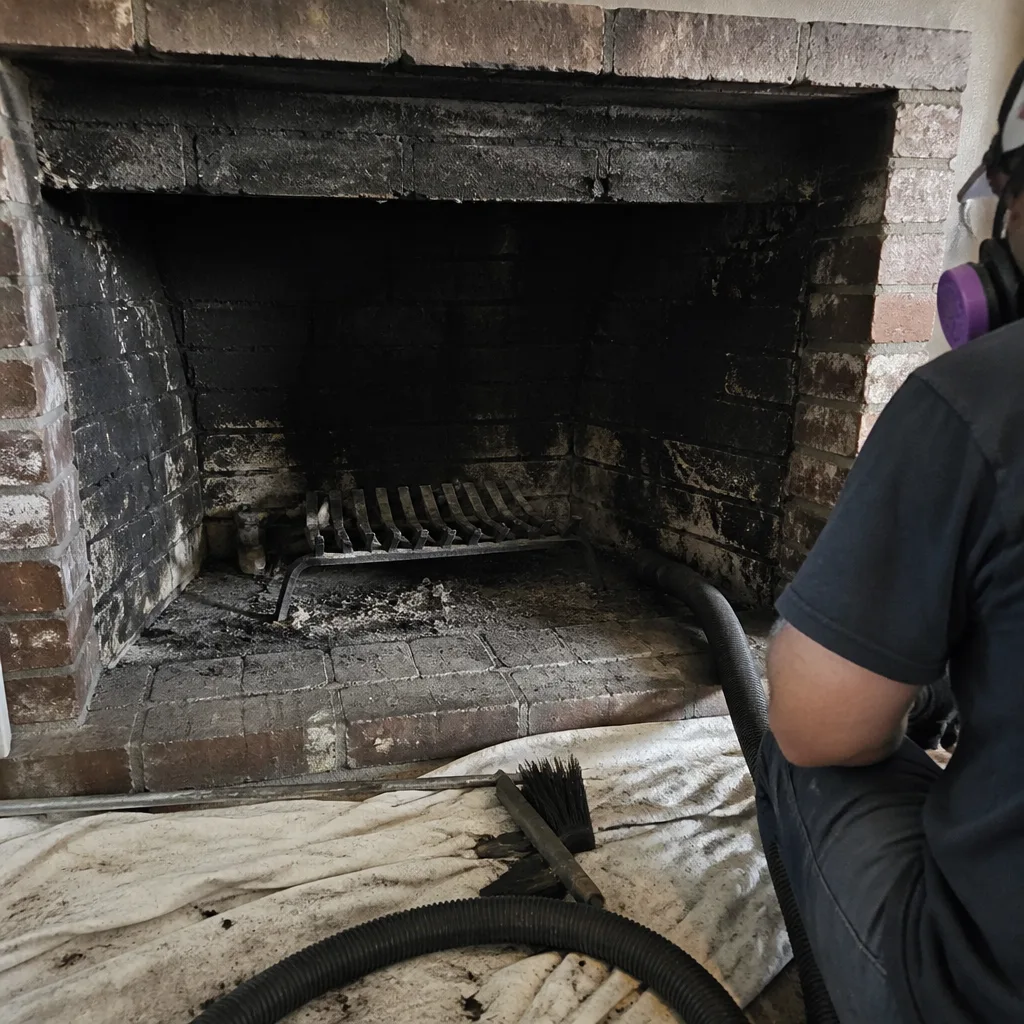 Before
 After
 Before
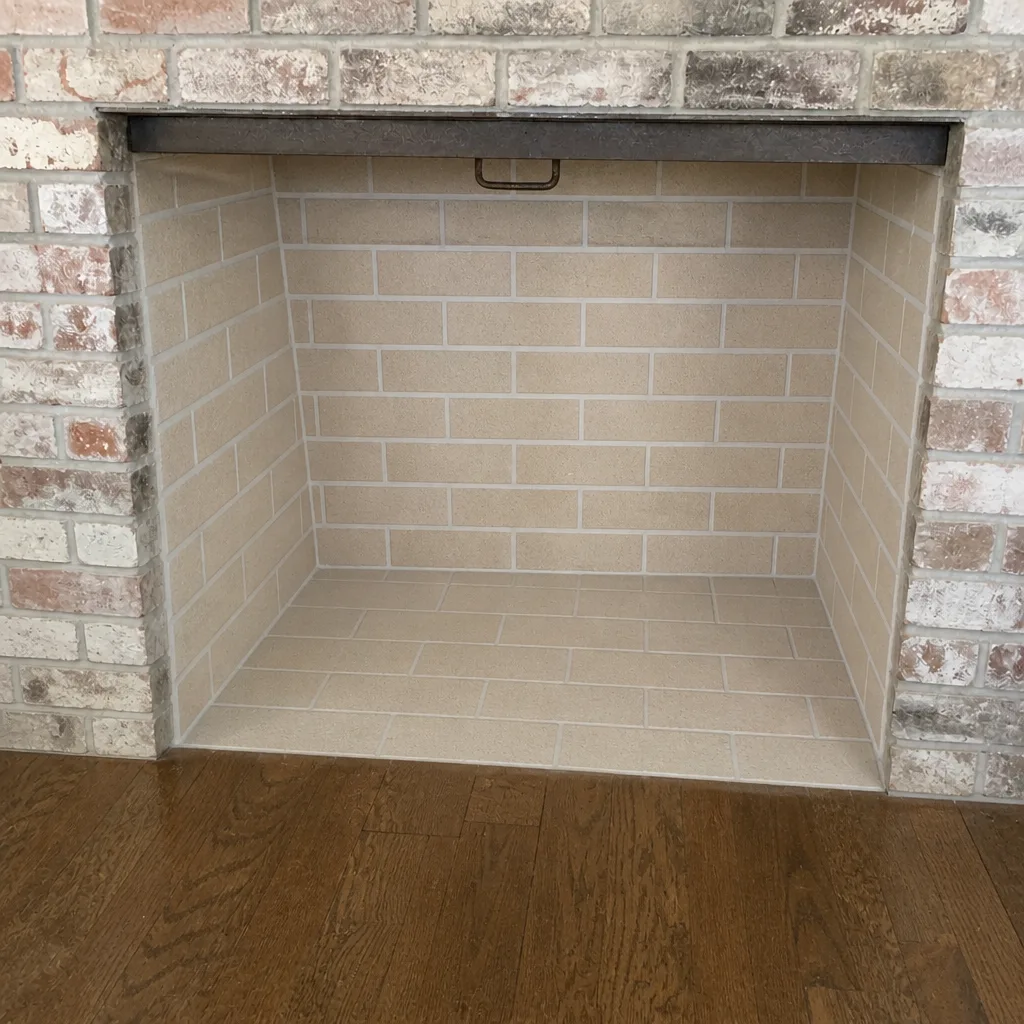 After
When to Call a Professional
Call a specialist when any of the following is true: you smell a strong smoky odor when the fireplace is closed up, the firebox has visible cracked tiles or loose mortar, you’ve had a chimney fire (even a small one), the damper doesn’t open smoothly, smoke rolls back into the room when you light a fire, or it’s been more than a year since the last cleaning. Call immediately if you see soot falling from the cap or notice creosote buildup at the top of the firebox. Our technicians have up to 15 years of experience and we’re happy to give you a written estimate before any work is done. San Clemente Chimney Sweep offers free estimates in San Clemente – call (833) 509-5558. We answer 24/7. Fast dispatch from 7am to 7pm, Sunday through Friday.
Frequently Asked Questions
The price for a chimney cleaning in San Clemente depends on the access method (roof vs. interior), the condition of the flue, and whether an inspection is included. A written estimate will specify the scope, and the final price is set by that estimate before any work begins. Call (833) 509-5558 for an exact quote – estimates are free.
A handyman can run a brush up a flue, but a dedicated chimney specialist can diagnose what the brush finds. The difference matters most when the flue has a crack, a previous fire, or a liner that’s degrading. A generalist usually can’t tell; a specialist can document it with photos and offer the right repair path, including HeatShield resurfacing when a full reline isn’t necessary. Call (833) 509-5558 for a specialist assessment.
CSIA certification means the technician passed an exam, follows a code of ethics, and renews through continuing education. It covers chimney and venting knowledge, inspection standards, cleaning practices, and safety codes. It does not verify the company carries insurance or performs every service. Treat it as a floor requirement, not the only thing to check. Call (833) 509-5558 to ask about our technicians’ certifications.
Request a certificate of insurance and call the carrier to confirm it’s current. Ask specifically whether the policy covers dropped flue debris and chimney fire escalation – general liability alone may not. Workers’ comp should also be verified. A reputable contractor will send the certificate without hesitation. Call (833) 509-5558 and we’ll explain what our insurance covers before you book.
Once a year for most homeowners who burn regularly, and more often if you burn a lot of wood or notice creosote buildup. Our mild climate means the chimney isn’t working as hard as in colder regions, but annual cleaning still matters for creosote buildup and for catching liner problems early. Call (833) 509-5558 to book a sweep.
Creosote builds up in the flue, which raises the risk of a chimney fire. The less obvious cost is that small cracks and liner deterioration go undetected until they become expensive repairs. A cleaning-plus-inspection each year is the cheapest way to catch problems early. Call (833) 509-5558 for a free estimate on annual maintenance.
The Bottom Line
Hire a dedicated chimney specialist, not a generalist with a brush. Verify CSIA certification and chimney-specific insurance before you book. Insist on a written estimate with a clear scope, access method, and liner assessment. Review the findings report after the sweep, and treat any recommendation for repair as something to be documented with photos before you decide. The San Clemente market is large enough that a qualified specialist is available, and the difference between a specialist and a generalist is measurable in the paperwork, the diagnosis, and the repair options they can offer in-house. Start with a sweep, get the report in writing, and use it as your decision tool.
If you want a specialist to walk through this with you, San Clemente Chimney Sweep is ready to help with a full-scope San Clemente Chimney Sweep estimate. Call (833) 509-5558. We answer 24/7. Fast dispatch from 7am to 7pm, Sunday through Friday. Estimates are free, and every sweep comes with a findings report you can review before any repair is recommended.
Written by the team at San Clemente Chimney Sweep.