
Last updated November 25, 2026
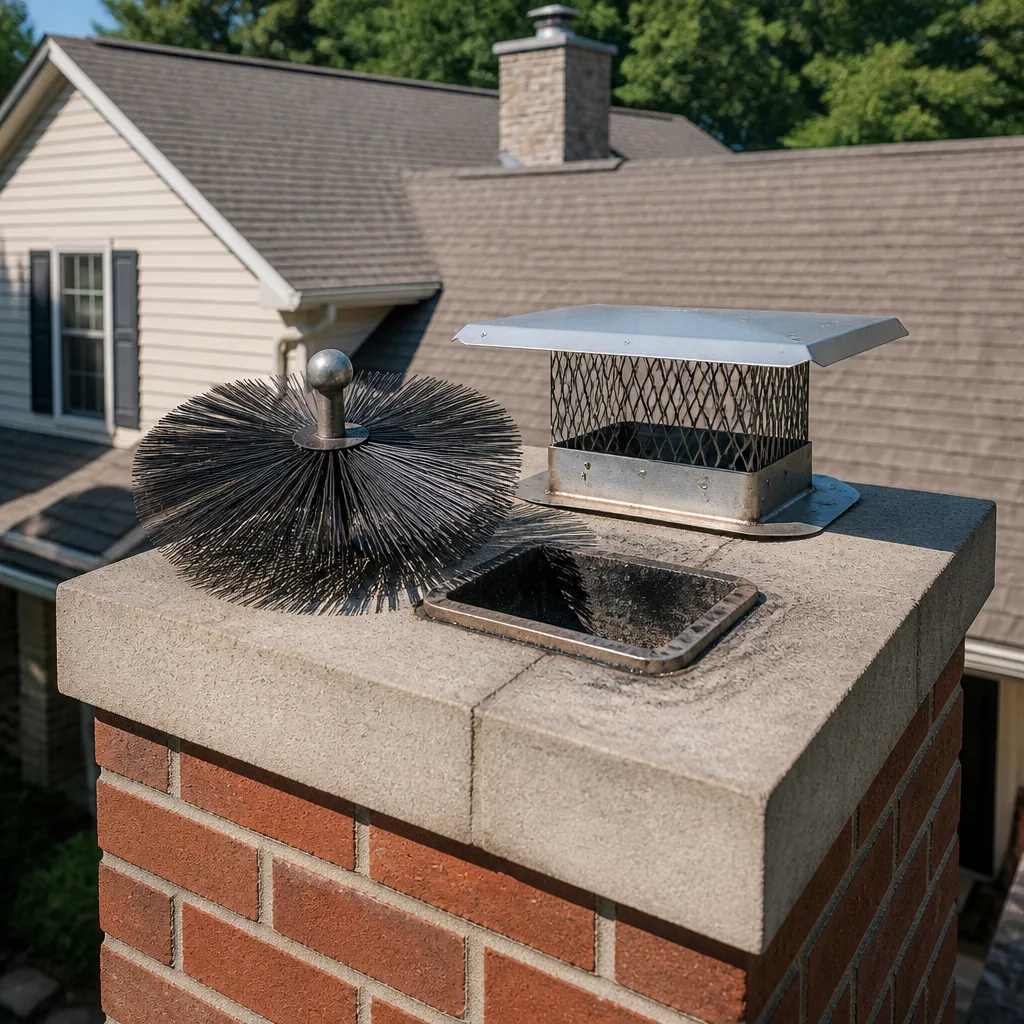 Sweep & inspection
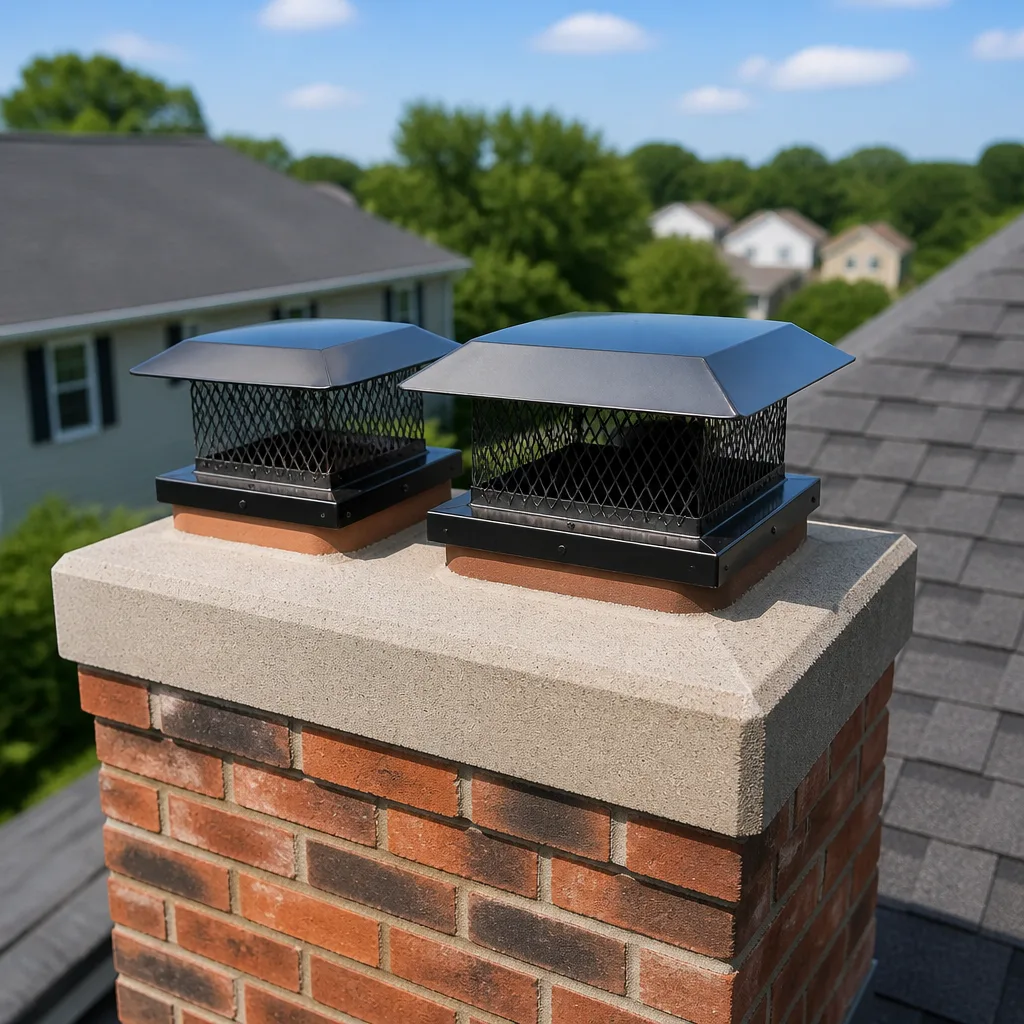 Caps & crowns
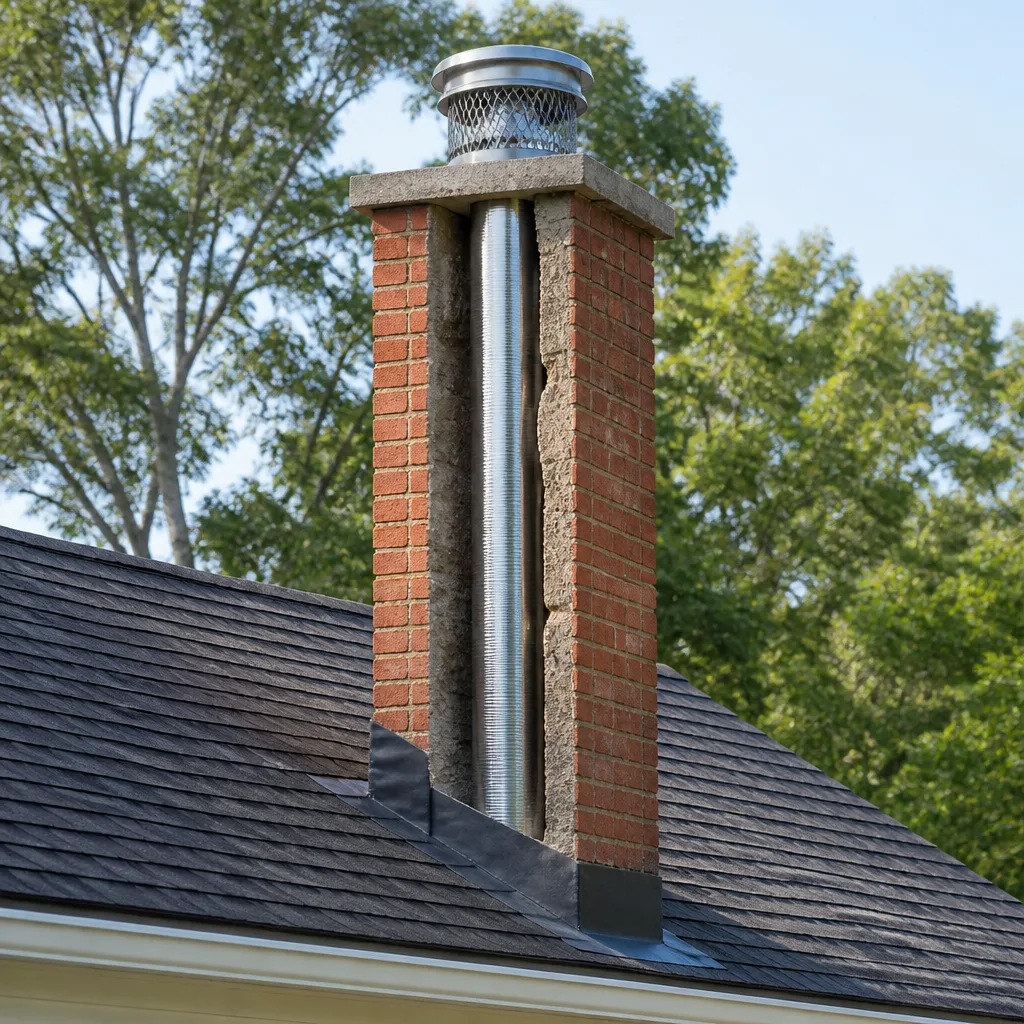 Flue relining
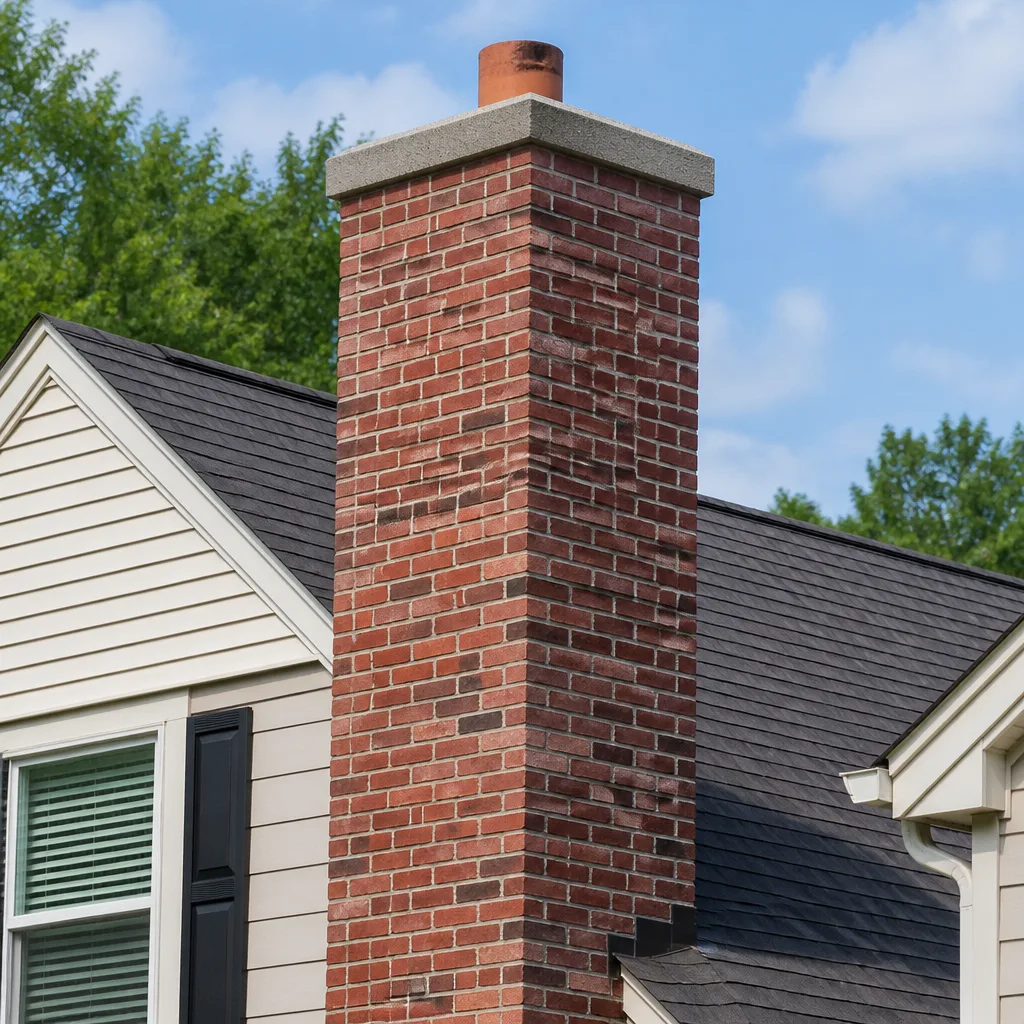 Masonry repair
 Gas fireplace service
Level 1 sweep and inspection to the NFPA 211 annual standard - flue, crown, cap, and flashing checked and photographed
Chimney sweep logs do not sweep chimneys. They loosen some creosote - which then falls where a brush and vacuum still have to collect it.
DIY vs Professional Chimney Cleaning: The San Clemente Homeowner’s Decision Guide
DIY chimney cleaning kits are engineered for simple, straight, single-flue masonry systems. If your San Clemente home has a prefab fireplace, an offset flue, or hasn’t been swept in more than two years, the kit you buy at the hardware store may not be physically compatible with your system. That’s the mistake most homeowners make: they compare the price of a kit against the price of a sweep and decide before checking whether their chimney is the kind a kit can actually handle. This guide maps DIY viability to real chimney conditions instead of abstract savings, so you can decide honestly what’s reasonable for your fireplace and where the math and the risk both turn against doing it yourself.
Quick Answer
DIY chimney cleaning is a reasonable option only for a straight, single-flue masonry chimney on an accessible roof, with light soot and no glazed creosote, and a homeowner who is comfortable working at height and buying or renting the right equipment. For most San Clemente homes with prefab fireplaces, offset or irregular flues, aging masonry, or more than two years since the last sweep, a professional cleaning is the safer and often more economical choice because a DIY pass can’t inspect the flue liner, smoke chamber, or crown. When in doubt, a professional inspection tells you which category your chimney is in.
Styles & brands we work with
- Sweep & inspection
- Caps & crowns
- Flue relining
- Masonry repair
- Gas fireplace service
Table of Contents
- Why the DIY Question Is Really a Chimney-Condition Question
- Where DIY Chimney Cleaning Is Genuinely Reasonable
- Where DIY Cleaning Is Ineffective or Risky
- What a DIY Cleaning Cannot Assess
- The Real Equipment Math: DIY vs a Professional Visit
- Creosote, Chimney Fires, and Insurance Implications in California
- The Four-Question Decision Tree
- Seasonal Timing and Burn Patterns in San Clemente
Why the DIY Question Is Really a Chimney-Condition Question
Most homeowners who ask about DIY chimney cleaning are asking the wrong question. They want to know whether they can save money, and the honest answer is that money is only one part of the equation and usually not the deciding one. The real question is whether your particular chimney is the kind a homeowner can safely and effectively clean. That comes down to its configuration, its fuel, and how long it’s been burning.
In San Clemente, we see a wide spread of chimney types. Homes with original masonry fireplaces tend to have heavier fireboxes and taller flues. Homes built or updated in the past couple of decades often have prefab or factory-built fireplaces, which have their own flue liners, clearances, and access points that don’t follow the same rules as masonry. Add in the fact that many fireplaces here see lighter, more intermittent use than in colder climates, and you get uneven creosote buildup: some flues are barely dirty, others are heavily coated because the fire never got hot enough to burn clean.
That irregular burn pattern is exactly what makes generalized DIY advice unreliable in San Clemente. A chimney cleaning kit doesn’t know whether your flue is straight or offset. It doesn’t know whether the creosote is dusty and brushable or glazed and needing chemical treatment first. It doesn’t know whether the liner behind the soot is sound. Only an inspection and a cleaning performed with the chimney’s actual condition in mind can tell you that.
This guide walks through the factors in order. First, the conditions where DIY is a reasonable choice. Then the conditions where it isn’t. Then the specific defects a DIY cleaning cannot detect, the true equipment costs, the insurance consequences of a self-performed sweep, and a short decision tree you can apply to your own fireplace before you buy a single rod.
Where DIY Chimney Cleaning Is Genuinely Reasonable
There’s a narrow but real category of San Clemente homes where a homeowner can clean their own chimney responsibly. We’re not going to pretend that category doesn’t exist, because telling every homeowner they need a professional sweep regardless of condition would be dishonest and would also make it harder for you to trust the advice when it matters. So here’s the specific configuration where DIY is viable.
The chimney must be a straight, single-flue masonry chimney with a flue that runs vertically from the firebox to the top with no significant offset. The cap must be removable or the crown accessible from a roof you can safely walk on, or from a sturdy ladder with proper fall protection. There must be no indication of a chimney fire, no water staining, no crumbling mortar, no rusted damper, and no visible cracks in the firebox. The creosote present must be light and dry, not shiny, glazed, or tar-like. And the homeowner must be willing to buy or rent the equipment to do the job properly, not improvise with a brush on a rope.
If all of that describes your chimney, a DIY cleaning is a reasonable maintenance step between professional inspections. It’s not a substitute for an inspection, and it’s not a substitute for a professional sweep when creosote has had time to accumulate and harden. It’s a way to stay on top of a clean-burning chimney.
The other thing to be honest about: fireplace users in San Clemente who burn a couple of fires a season and rely mostly on central heat may genuinely not need much cleaning at all. A chimney sweep isn’t an annual obligation for every fireplace regardless of use. It’s a service matched to how much you burn and what the deposits look like. A professional inspection tells you that.
Where DIY Cleaning Is Ineffective or Risky
There are conditions where a DIY sweep stops being maintenance and starts being a false sense of security, or worse, damage. These are the ones we see most often in San Clemente, and they’re the reason the “just buy a kit” pitch doesn’t hold up for a lot of local fireplaces.
- Prefab or factory-built fireplaces. These have specific flue liners and clearances. The wrong brush diameter or metal bristles in the wrong place can score or crack a liner, and once a factory liner is damaged it typically means relining, not repairing.
- Offset flues. A flue that jogs around structure can’t be cleaned with straight rods driven from the top. Sections of the flue will be missed entirely, leaving creosote layered where it’s hardest to see.
- Glazed or tar-like creosote. Stage-three creosote is bonded to the flue wall. Brushing alone doesn’t remove it and can polish it instead. It needs chemical treatment and a professional cleaning sequence.
- Aging masonry with loose mortar or spalled brick. Rodding a fragile flue can dislodge masonry. Even if nothing comes off during the sweep, you’ve confirmed nothing about the structural condition around it.
- Chimneys with no recent inspection history. Cleaning a chimney whose liner condition is unknown is like changing the oil on an engine with a cracked block. The maintenance step looks fine and tells you nothing about what matters.
If any of the first four apply to your San Clemente home, DIY cleaning isn’t a shortcut. It’s a job that won’t get done properly, and you’d be better off spending the same money on a professional service that comes with a camera inspection and a written report.
What a DIY Cleaning Cannot Assess
Even when a homeowner does everything right with a DIY cleaning, the job they can’t do is the assessment. Sweeping removes soot and creosote. It doesn’t tell you what’s behind or below it. That’s the core of what you’re paying a professional for, and in our experience it’s the part most homeowners underestimate until something surfaces that a sweep alone would never have caught.
Here’s what a DIY sweep cannot evaluate:
- Flue liner cracks. Hairline cracks in a masonry or clay flue liner open a path for heat and gases to reach combustible structure. Cracks at the joints are common and hard to see from the top, which is why a camera inspection is standard practice for professional sweeps.
- Smoke chamber spalling. The smoke chamber that funnels exhaust from the firebox to the flue is often the most neglected section. Spalling masonry there can direct smoke back into the room and can trap creosote where a brush never reaches.
- Crown deterioration. The crown is the mortar cap at the top of the chimney that sheds water. A cracked crown lets water in, and water is the slow killer of masonry. A DIY sweep from the roof can miss a failing crown entirely if the homeowner is focused on the flue.
- Stage-two creosote. The sticky, flaky layer that forms on top of lighter soot needs more than brushing. Professionals identify its stage and treat accordingly; a homeowner doesn’t have a reliable way to tell one stage from another.
- Carbon monoxide pathways. A blocked or damaged flue can let carbon monoxide into the living space. That’s why the inspection and the cleaning go together: cleaning restores flow, inspection confirms the flow is safe.
This is the reason a professional chimney inspection is offered as a standalone service. Even if your chimney has been DIY-cleaned recently, an inspection confirms what the cleaning did and didn’t fix. It’s the half of the job a brush can’t do.
The Real Equipment Math: DIY vs a Professional Visit
The DIY pitch assumes you already own or can borrow everything you need. Most homeowners don’t, and the equipment list for a proper DIY clean is longer than a single brush and rod set. When you add it up, the gap between DIY and professional is much smaller than the price of a kit suggests. Here’s the honest list.
- Rods. A proper set for a full-height flue is more than a starter kit, and low-quality rods bend or snap inside the flue.
- The correct brush diameter. One size doesn’t fit all. A brush that’s too big jams and damages flue walls; one that’s too small leaves creosote behind. Poly brushes for prefab or metal liners are different from wire brushes for heavy masonry deposits.
- A HEPA vacuum. A household vacuum will spread fine soot through the house instead of containing it. A true HEPA setup is the difference between a clean job and a costly mess.
- A drop cloth and containment system. Professionals seal the firebox opening so soot doesn’t drift into the room. If you’re cleaning from the bottom, this is essential.
- Respiratory and skin protection. Soot and creosote are hazardous to breathe and prolonged contact isn’t good for skin.
- Roof access equipment. Ladders, fall protection, and a way to stand safely on the roof are real costs if you don’t already own them.
Add up a HEPA vacuum, quality rods and brush set, drop cloth, and safety gear, and you’ve spent a meaningful fraction of a professional visit before you’ve climbed a ladder. If you’ll use the kit once and don’t have the roof access already, the savings shrink fast. If you’re going to sweep every year for years, the math improves, but so does the argument for an annual professional inspection either way, because the kit still can’t assess what’s happening inside the flue.
One more consideration for San Clemente homeowners: if the professional service includes a camera inspection and a written report, you’re paying for information, not just a cleaning. That’s the piece a DIY kit never gives you, and it’s the piece that determines whether a repair is coming.
Creosote, Chimney Fires, and Insurance Implications in California
This is the part of the DIY question that gets the least attention and deserves the most. Creosote is the tar-like residue that builds up as a byproduct of burning wood. Lighter deposits are brushable; heavier glazed deposits are harder to remove and far more flammable. When enough creosote coats a flue, a hot fire can ignite it, and a chimney fire can reach temperatures hot enough to damage the flue liner and ignite nearby structure. That’s a general risk of wood burning, not a scare tactic, and it’s the reason regular cleaning and inspection matter in the first place.
Carbon monoxide is the quieter risk. A chimney that drafts correctly carries exhaust out of the home. A damaged flue, a blocked flue, or an improperly cleaned one can let carbon monoxide reach living space. Any gas or wood appliance vented to a flue relies on that flue being intact and clear. If your home has any of those, the flue condition matters for more than just your fireplace.
Now the insurance question. Homeowners’ insurance policies vary widely in how they treat chimney fires, and some contain exclusion language tied to maintenance. That language exists because insurers know that a neglected chimney is a predictable hazard. After a chimney fire following a self-performed cleaning, an adjuster may ask for records of servicing, and if you self-cleaned, you may not have any. We’re not telling you a specific policy will deny a claim. We’re telling you the language is common enough that it’s worth reading your policy before you decide whether to clean your own chimney. A professional report from a San Clemente chimney sweep gives you a documented service record. If your insurer ever asks, you’ll have it.
The Four-Question Decision Tree
If you want a practical way to decide, answer these four questions about your own fireplace honestly. They’re designed to sort your chimney into the DIY category or the professional category without guessing.
- Is your fireplace prefab (factory-built) or traditional masonry? If it’s prefab, you’re in the professional category. The liner clearances and brush specifications are too specific to gamble on with a universal kit, and a damaged factory liner is expensive. If it’s masonry and everything else below checks out, you can keep reading.
- Is the flue straight from top to bottom, or does it offset around structure? A straight flue can be rodded from the top. An offset flue can’t be cleaned with straight rods, and sections of it will be missed. If you’re not certain, that’s your answer: an inspection will confirm.
- When was the last professional inspection, and what did it report? If you’ve never had one, or you can’t remember what it said, the DIY category is closed until you have one. You can’t clean safely what you haven’t assessed. This is where San Clemente homeowners most often benefit from a quick professional inspection to establish a baseline.
- Are you comfortable working at height and owning the right equipment? If you don’t already own a HEPA vacuum, proper rods, the correct brush, and fall protection, the math changes. And if you’re not comfortable on a roof or a tall ladder, no kit in the world makes a DIY sweep a good idea.
Answer “yes” to masonry, “yes” to straight flue, “yes” to a recent clean inspection, and “yes” to comfort and equipment, and DIY is a reasonable choice for you. Any “no,” and the professional visit is the honest answer. It’s a short list to work through and it will save you from a false start.
Seasonal Timing and Burn Patterns in San Clemente
San Clemente’s climate shapes how chimneys accumulate creosote, and the pattern here is different from what you’d see in a colder part of the country. Winters are mild, which means many fireplaces see intermittent use rather than nightly burning through a long cold season. Intermittent use tends to produce slower, cooler fires on average, and cooler fires are the ones that deposit creosote rather than burn it off. A homeowner who burns a few fires a month and lets the flue cool between them may see more creosote than a homeowner in a cold climate who burns hot fires constantly.
That matters for timing. The right time to have your chimney cleaned is before the next burning season, not in the middle of it. If you wait until a cold snap, your chimney may already have deposits that were formed during last season, and the first fire after a long idle period is the one that stresses the flue most. A pre-season cleaning and inspection in the weeks before cooler evenings become regular gives you a clean flue and confirms the condition before you use it.
San Clemente’s housing stock amplifies this. Many homes here have fireplaces that were specified for occasional accent fires, not heavy heating, and those fireplaces have liners that were never designed for long, hot, high-output burn cycles. A homeowner who’s started burning more often should know that the liner condition hasn’t been verified since the change in use. That’s a scenario where an inspection is worth more than a second cleaning of the year.
The pattern to internalize is simple: cooler, intermittent fires mean more creosote, and the right time to clean is before use, not after. That’s true whether you DIY or call a professional. The difference is that a professional sweep in San Clemente tells you what the deposits and the flue behind them actually look like.
Common Mistakes to Avoid
We’ve seen the same mistakes repeat themselves among San Clemente homeowners who decided to handle their own cleaning. Here’s the list, with the specific reason each one matters.
- Using the wrong brush diameter. A brush that’s too large jams in the flue and can damage the liner; one that’s too small doesn’t remove deposits. Measure the flue before you buy a brush, or don’t buy one.
- Sweeping a prefab liner with a metal brush. Factory-built liners aren’t designed for wire brushes the way masonry is. Match the brush to the liner material, and if you don’t know the material, that’s a signal to stop.
- Cleaning without a HEPA vacuum and containment. Fine soot travels. A DIY sweep without proper containment coats the rest of the house, and soot from a chimney flue isn’t the same as attic dust.
- Skipping the inspection because the cleaning looked fine. A clean flue can still have cracks in the liner, spalling in the smoke chamber, or a cracked crown. Cleaning hides defects; inspection finds them.
- Assuming stage-two creosote is just “thick soot.” Glazed, tar-like deposits don’t respond to a brush the way lighter creosote does. Chemical treatment comes first, and most homeowners can’t reliably tell the stages apart.
- Cleaning on a wet or windy day. Soot handling and roof access both get harder when the roof is wet and the wind is pushing. If the conditions aren’t right, wait for better ones rather than improvising.
- Assuming a sweep and an inspection are the same thing. They’re not. A cleaning removes deposits; an inspection evaluates the flue, smoke chamber, crown, and cap. In San Clemente, we offer inspections as a standalone service for exactly this reason: they’re not the same job.
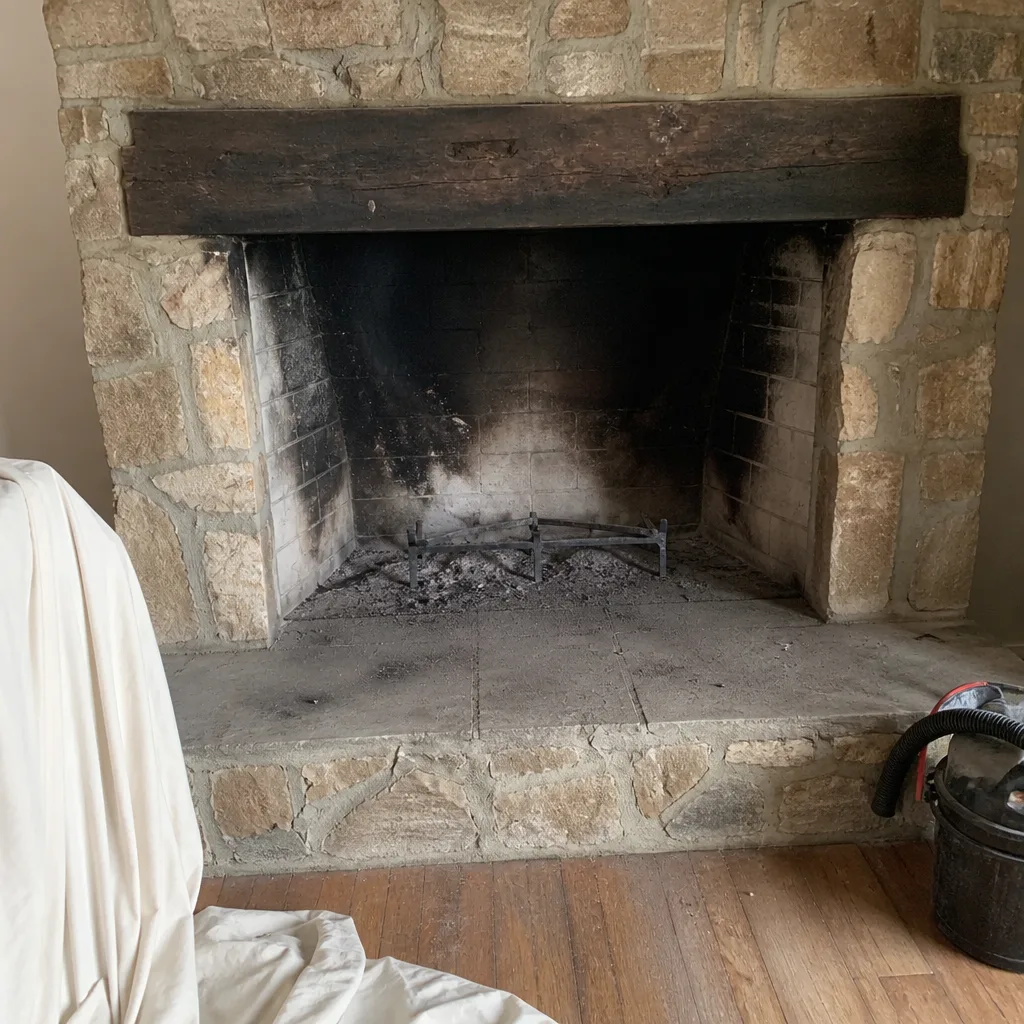
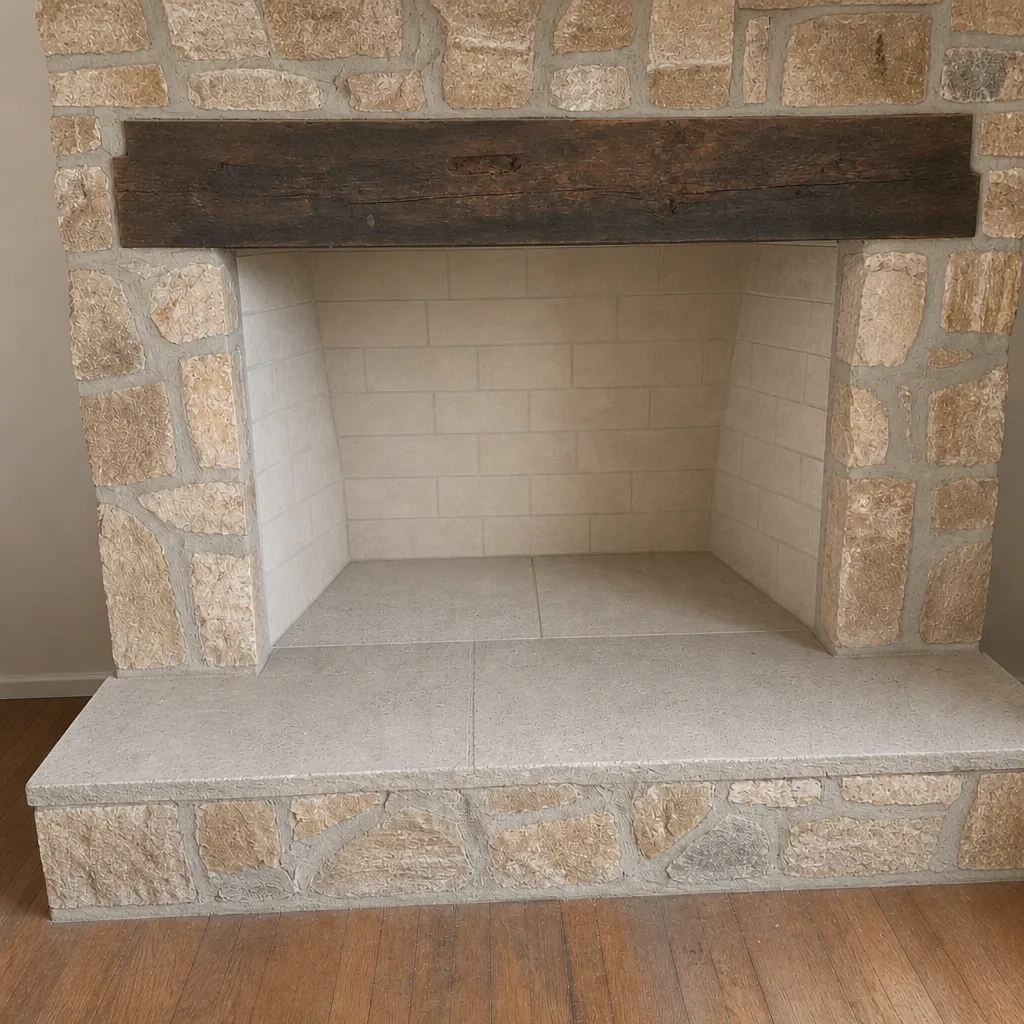
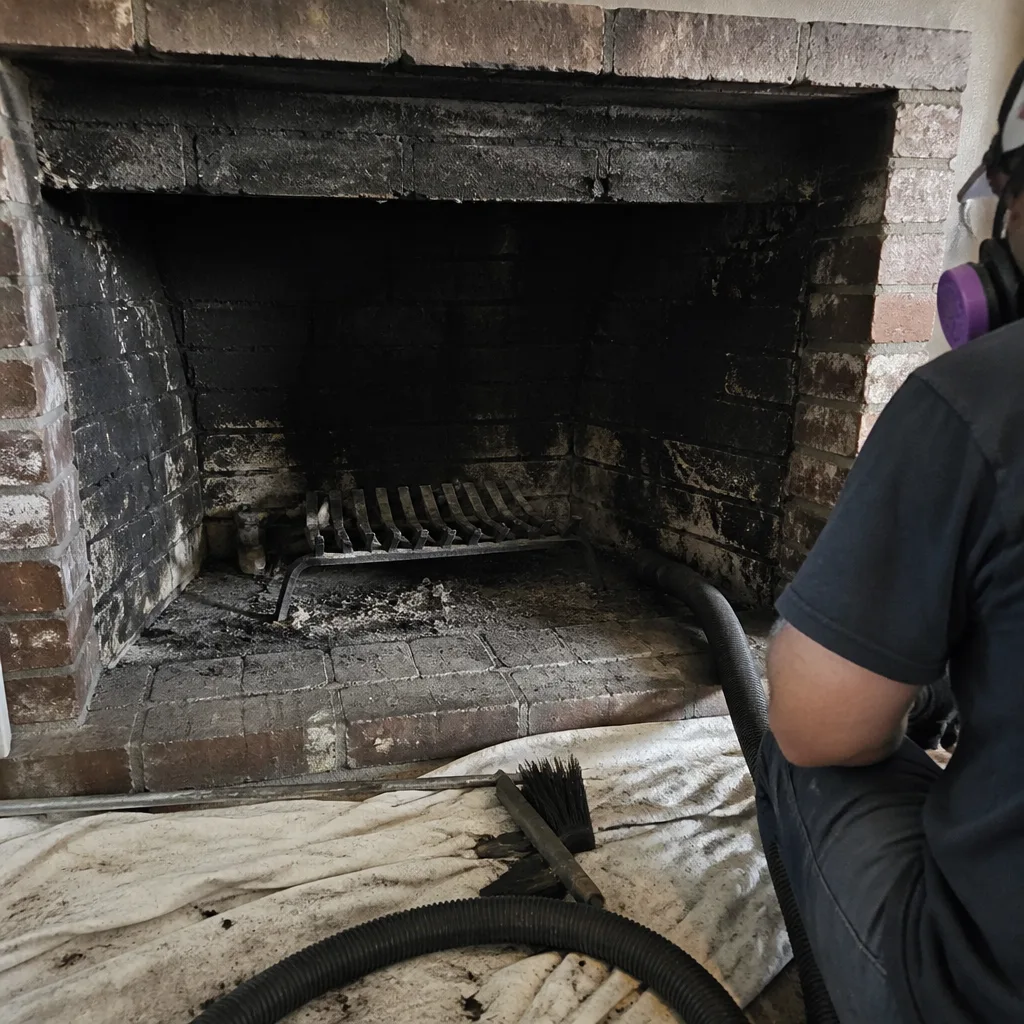
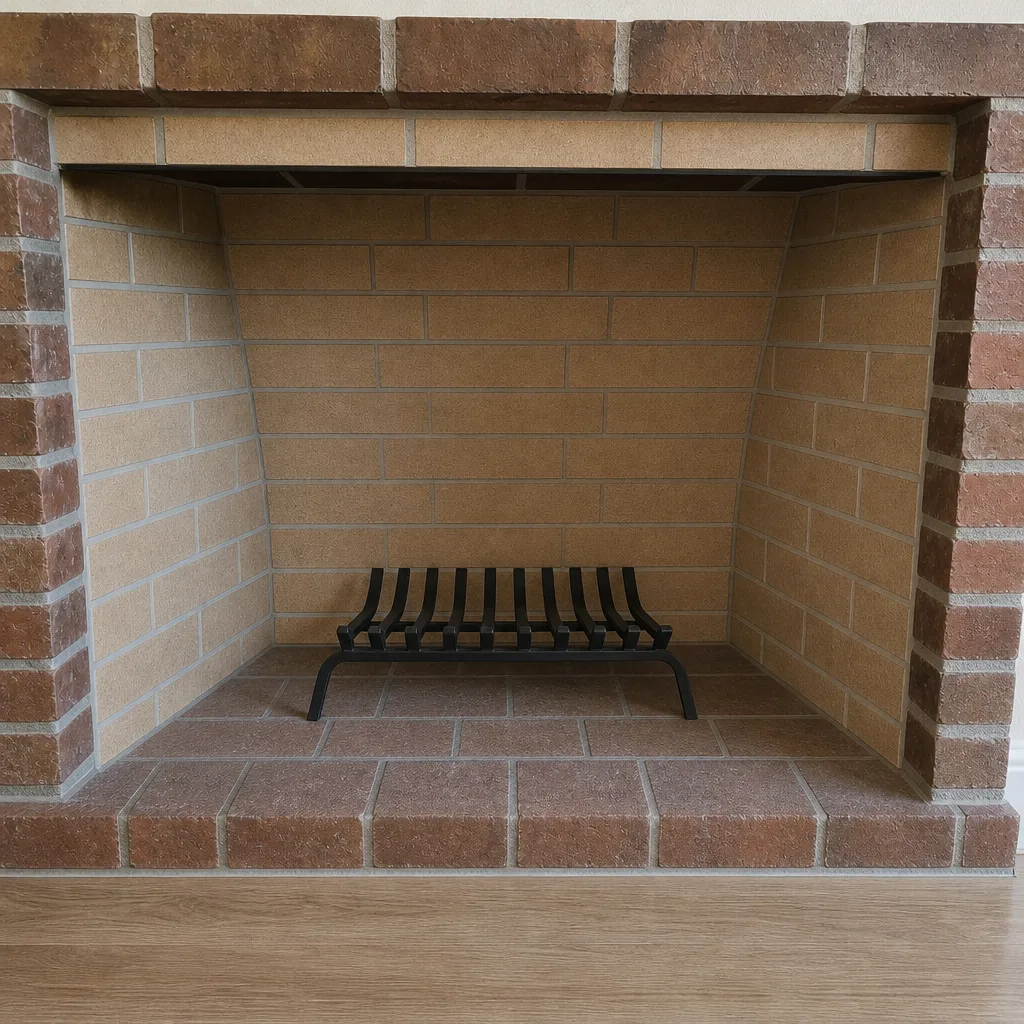
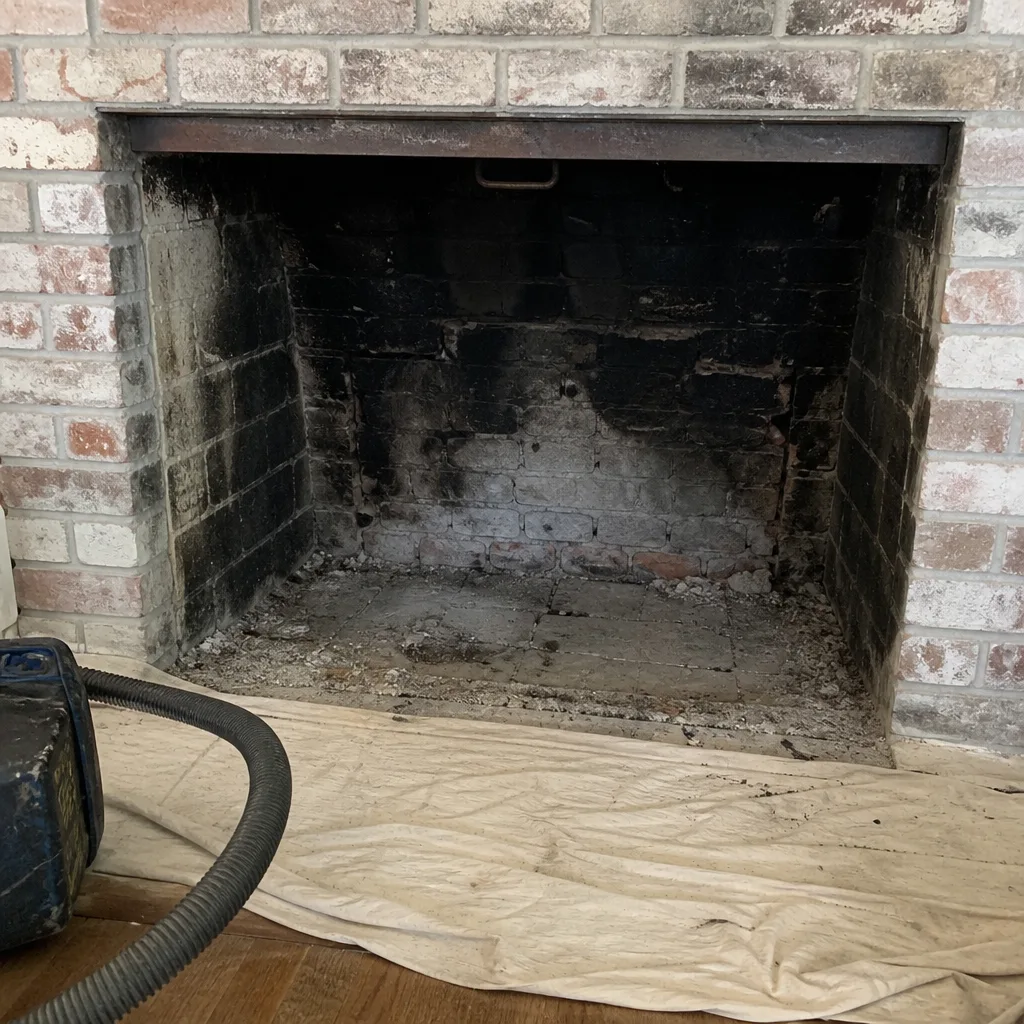
See the difference
 Before
 After
 Before
 After
 Before
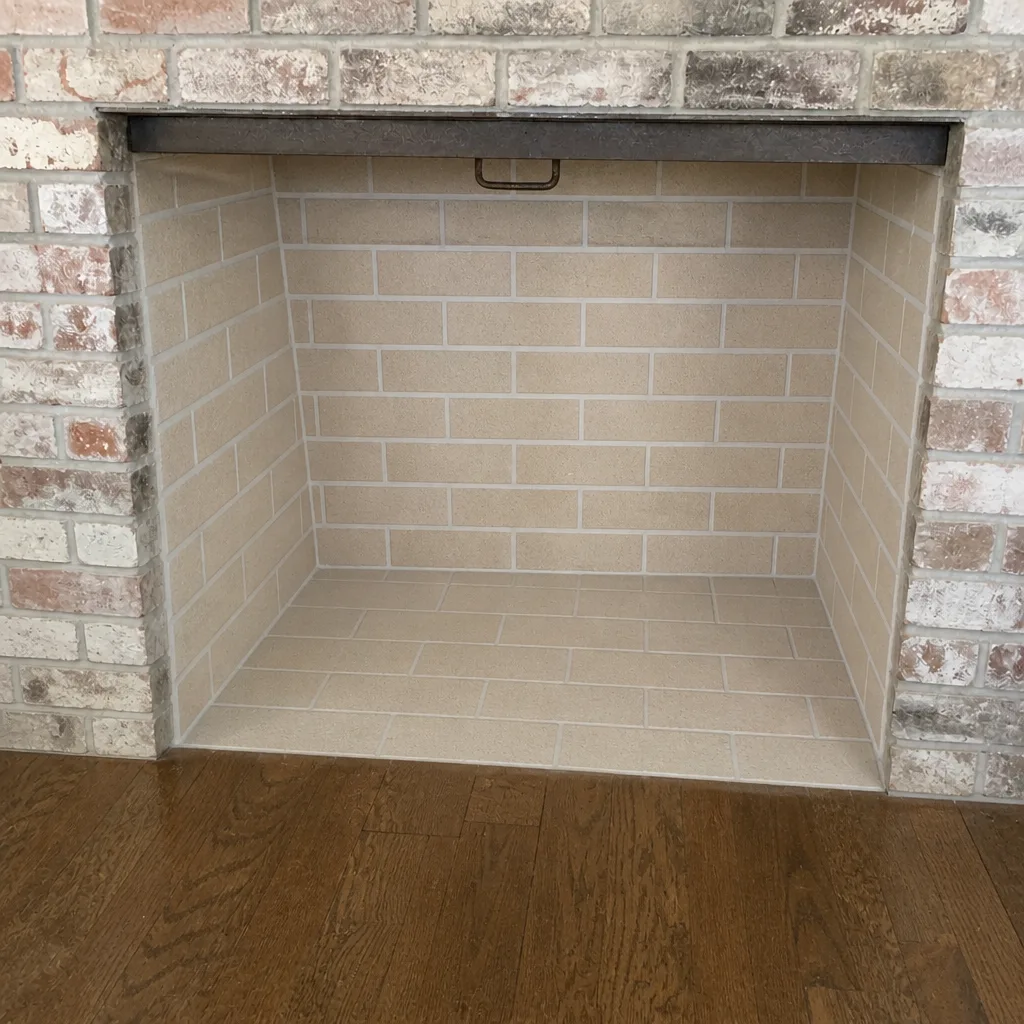 After
When to Call a Professional
Call a professional when any of the following applies: the fireplace is prefab, the flue offsets around structure, the last sweep was more than a year ago and you don’t know the creosote stage, the firebox has visible cracks or missing mortar, you notice smoke coming back into the room, the damper sticks or doesn’t close, you haven’t had an inspection and can’t remember the last one, or you’re not sure how to answer the four decision-tree questions. Those are the cases where a professional sweep isn’t just a convenience, it’s the only way to know what’s happening inside the flue. The San Clemente Chimney Sweep team handles cleaning, inspection, and repairs as one service, so you won’t be sent to a second contractor for the next step. If creosote has bonded to the flue wall, a professional sweep is also the only way to treat it and confirm afterward that the flue is clear. San Clemente Chimney Sweep offers free estimates in San Clemente – call (833) 509-5558.
Frequently Asked Questions
It can be safe only for a straight, single-flue masonry chimney with light creosote, a roof you can access safely, and the right equipment, which means a HEPA vacuum, the correct brush diameter, and fall protection. For prefab fireplaces, offset flues, aging masonry, or any chimney without a recent inspection, DIY is not the safe or effective choice. The deciding factor is the condition of your chimney, not the price of a kit. Call (833) 509-5558 for an honest assessment – estimates are free.
A professional sweep is typically a single job priced by written estimate, and that price usually includes an inspection and a written report. A DIY kit can look cheaper upfront, but a proper DIY setup includes a HEPA vacuum, quality rods, the correct brush diameter for your liner, a drop cloth and containment, and safety gear. Add up those pieces and the gap narrows significantly, before you’ve climbed a ladder. A written estimate sets the final price on the professional side. Call (833) 509-5558 to compare – estimates are free.
If the creosote is shiny, glazed, or tar-like, or the chimney hasn’t been swept in more than a year and you’ve been burning regularly, the deposits are likely beyond what brushing alone will remove. Stage-two and stage-three creosote need chemical treatment and a professional cleaning sequence. You can’t reliably tell the stages apart from above the damper, which is why the professional inspection comes first. Call (833) 509-5558 and we’ll tell you what stage you’re dealing with – estimates are free.
Yes. A self-performed cleaning reduces creosote, but if it misses sections of an offset flue, leaves stage-two deposits in place, or fails to spot a cracked liner or damaged smoke chamber, the risk remains. The defects that cause the most serious chimney fires are the ones a DIY cleaning cannot see. That’s the case for a professional inspection regardless of who does the cleaning. Call (833) 509-5558 for a chimney inspection – estimates are free.
Some California homeowners’ policies include exclusion language tied to maintenance, and after a chimney fire an insurer may ask for records of servicing. A professional sweep provides a documented service record; a DIY cleaning generally doesn’t. We can’t tell you what a specific policy says, so read the maintenance and exclusion sections carefully before you decide. If you want a documented cleaning, call (833) 509-5558 – estimates are free.
It depends on how often you burn and how hot the fires run. Intermittent, cooler fires in a mild climate can leave more creosote than steady hot fires, so a San Clemente fireplace that sees occasional use may still need attention before the next burning season. The safe rule is a professional inspection annually and a cleaning when the inspection says the deposits warrant one. A professional sweep or chimney sweep matched to your actual use is more useful than a fixed calendar. Call (833) 509-5558 for a scheduled visit – estimates are free.
The Bottom Line
The DIY chimney cleaning question gets decided by chimney condition, not by cost. If your San Clemente home has a straight, single-flue masonry chimney with light creosote and a recent clean inspection, a DIY sweep is a reasonable maintenance step between professional inspections. If it has a prefab fireplace, an offset flue, aging masonry, glazed creosote, or no recent inspection, professional cleaning and inspection is the honest answer and, once you price the equipment, often the closer call on cost. What a kit can’t do is assess. That’s what you’re actually buying with a professional visit, and it’s the half of the job that protects the house. When the flue condition is unclear, inspection comes before cleaning. For full-scope chimney work, from sweep to fireplace repair to chimney repair, a specialist team covers it under one roof.
Contact Us
If you’ve worked through the four questions and you’re still not sure which side of the line your fireplace falls on, that’s the moment to call. San Clemente Chimney Sweep is a chimney-only specialist: cleaning, inspection, fireplace and chimney repair, cap and crown installation, all handled by one team using professional-grade brands like Famco, Copperfield, DuraFlex, and HeatShield. We’ll tell you plainly whether your chimney can safely wait or whether it needs attention before the next burn. Call (833) 509-5558. We answer 24/7. Fast dispatch from 7am to 7pm, Sunday through Friday. Estimates are free.
Written by the team at San Clemente Chimney Sweep.